
















Active seniors: supplements to consider after age 65
After 65, we are often more active than ever: hiking, gardening, grandchildren, travel. But appetite sometimes decreases, the absorption of certain nutrients changes, and medications accumulate. Here is how to approach supplements with discernment, without excessive promises, and with the support of your doctor.
📑 Summary
- What changes with age
- Vitamin B12: a special case
- Multivitamins: a safety net
- Spirulina: proteins and micronutrients
- Other pillars: proteins, vitamin D, activity
- Precautions: medications and common sense
🔬 What changes with age
Over time, appetite, taste, and digestion evolve. Caloric intake tends to decrease while needs for micronutrients remain high, or even increase for some. This is the paradox of nutritional density: eating less, but having to eat better.
🧬 Absorption and medications
Gastric acidity decreases in some people, which reduces the absorption of food-derived vitamin B12. Furthermore, common medications, such as proton pump inhibitors or metformin, can influence the status of certain nutrients. A review published in the New England Journal of Medicine underscores the importance of these factors in B12 deficiency.
🧬 An "à la carte" approach
There is no universal supplement for seniors. The goal is to identify your weak points (diet, blood work, medications) and then adjust. For a broader overview, see also Supplements after 50: the essentials.
🔬 Vitamin B12: a special case
Vitamin B12 contributes to normal energy metabolism, normal functioning of the nervous system, normal red blood cell formation, normal immune system function, normal psychological function, and to the reduction of fatigue (Regulation (EU) No 432/2012).
🧬 Why seniors are affected
Food-derived B12 is released from proteins thanks to gastric acid. When this decreases, absorption drops. Conversely, the B12 found in supplements is in free form, already "detached": it does not depend on this step. EFSA, in its opinion on reference values, sets the adequate intake at 4 µg per day for adults. Deficiency is often insidious: fatigue, tingling, memory problems. A blood test can objectify it; our article Vitamin B12 deficiency details the signs.
🧬 Which form to choose?
The two common forms (methylcobalamin and cyanocobalamin) are used; see our comparison. In case of proven deficiency, the doctor decides on the treatment (sometimes via injection).
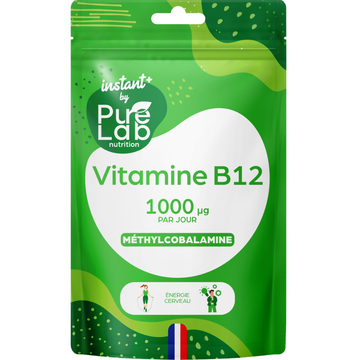
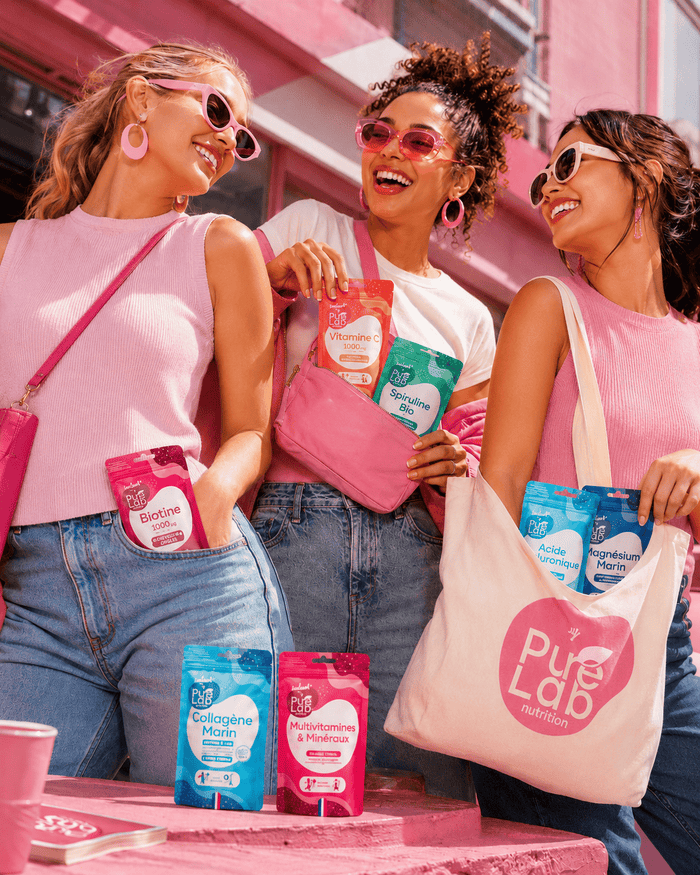
✅ Our Vitamin B12 (Instant+) at Pure Lab Nutrition: a practical format, easy to integrate into your routine, to cover B12 intake.
👉 Discover our Vitamin B12 (Instant+) here.
🔬 Multivitamins: a safety net
A multivitamin-mineral supplement provides a wide range of vitamins and minerals at a moderate dose. It does not replace a varied plate but can serve as a safety net when the diet is monotonous or reduced.
What experts say
A panel of experts (modified Delphi method) concluded that multivitamins can help bridge certain nutritional gaps, particularly in the elderly, while emphasizing that measuring clinical benefits remains delicate and that one should stick to recommended doses. For their part, vitamin D contributes to the maintenance of normal bones and normal muscle function; vitamin C and zinc contribute to the normal functioning of the immune system. A 2020 review on micronutrients and immunity reminds us that these nutrients work in harmony.
🧬 Choosing well
Prioritize a formula dosed close to the reference daily intakes, without megadoses. Read the composition: check for vitamin K (possible interaction with anticoagulants) and iron (often useless without a deficiency). Our guide Should you take a multivitamin? helps you decipher labels.
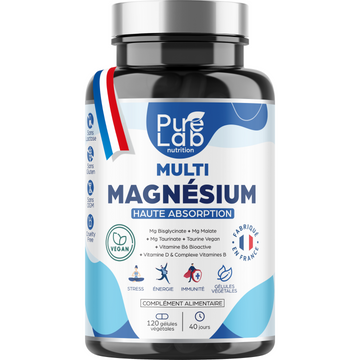
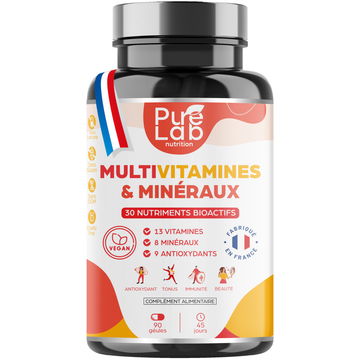
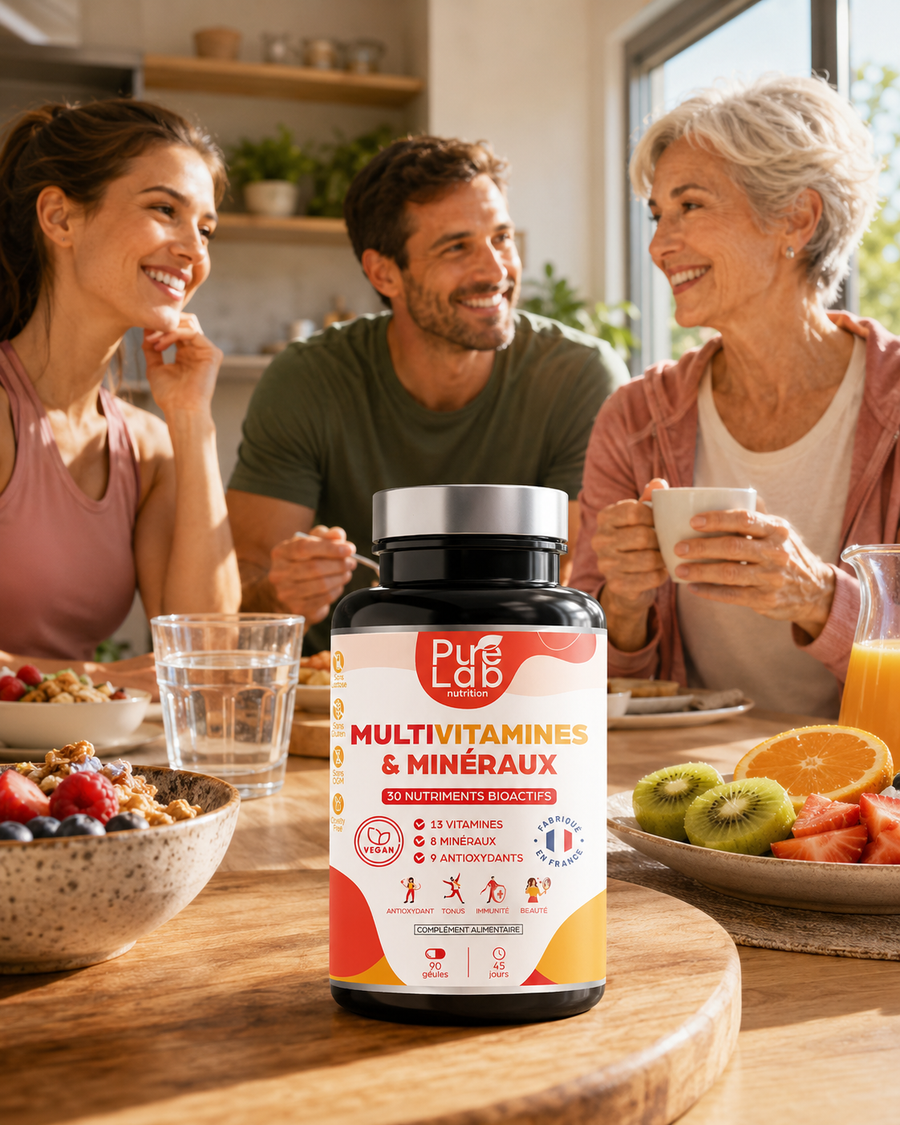
✅ Our Multivitamins & Minerals at Pure Lab Nutrition: a complete formula to support a sometimes insufficient diet.
👉 Discover our Multivitamins & Minerals here.
🔬 Spirulina: proteins and micronutrients
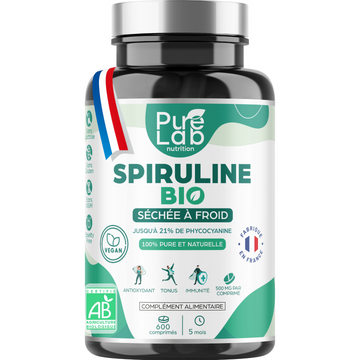
Spirulina is a microalgae containing about 60% protein by dry weight, as well as pigments (phycocyanin), iron, and vitamins. No health claim is currently authorized in the European Union for spirulina; it is therefore presented as a complementary food, not as a remedy.
🧬 What research shows
A review (Karkos et al., 2011) lists studied applications in humans, including effects on blood lipids or immunity, but highlights the variable quality of studies. It is an interesting avenue, not a certainty. Note that the B12 in spirulina is not bioavailable in humans (inactive analogues): it therefore does not replace a source of B12.
🧬 Precautions for use
Spirulina is not recommended for those with phenylketonuria, and caution is advised for people on immunosuppressants or suffering from autoimmune diseases. It is a source of vitamin K: talk about it if you are taking anticoagulants. Choose a controlled origin (contaminants, heavy metals). See Everything you need to know before starting spirulina.
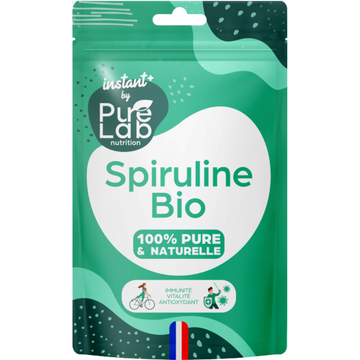
✅ Our Organic Spirulina at Pure Lab Nutrition: spirulina from organic farming, in tablets that are easy to dose.
👉 Discover our Organic Spirulina here.
🔬 Other pillars: proteins, vitamin D, activity
The PROT-AGE group recommends, for healthy older adults, a protein intake of at least 1.0 to 1.2 g per kilo per day, higher in case of illness or intense activity, and distributed throughout meals. This is a major lever for maintaining muscle mass.
🧬 Movement and muscle
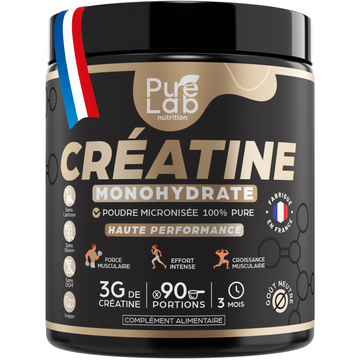
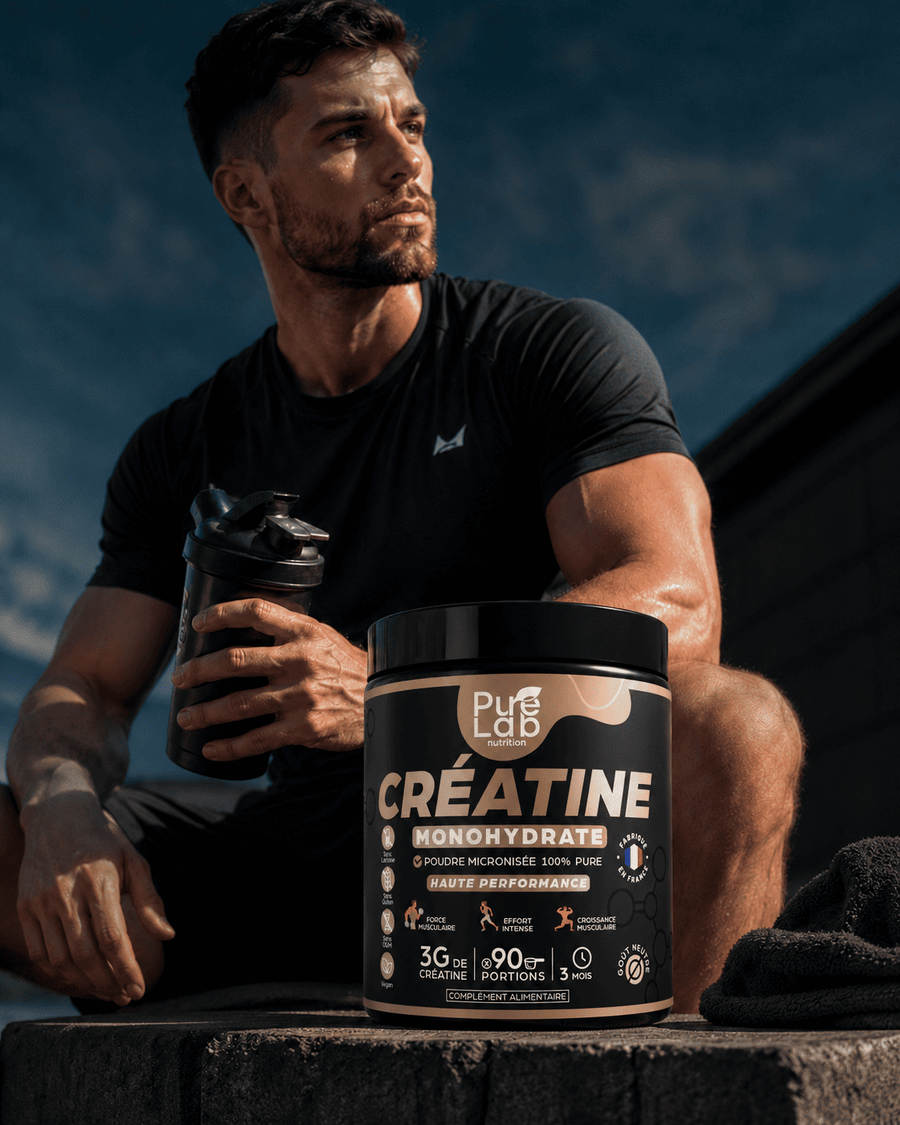
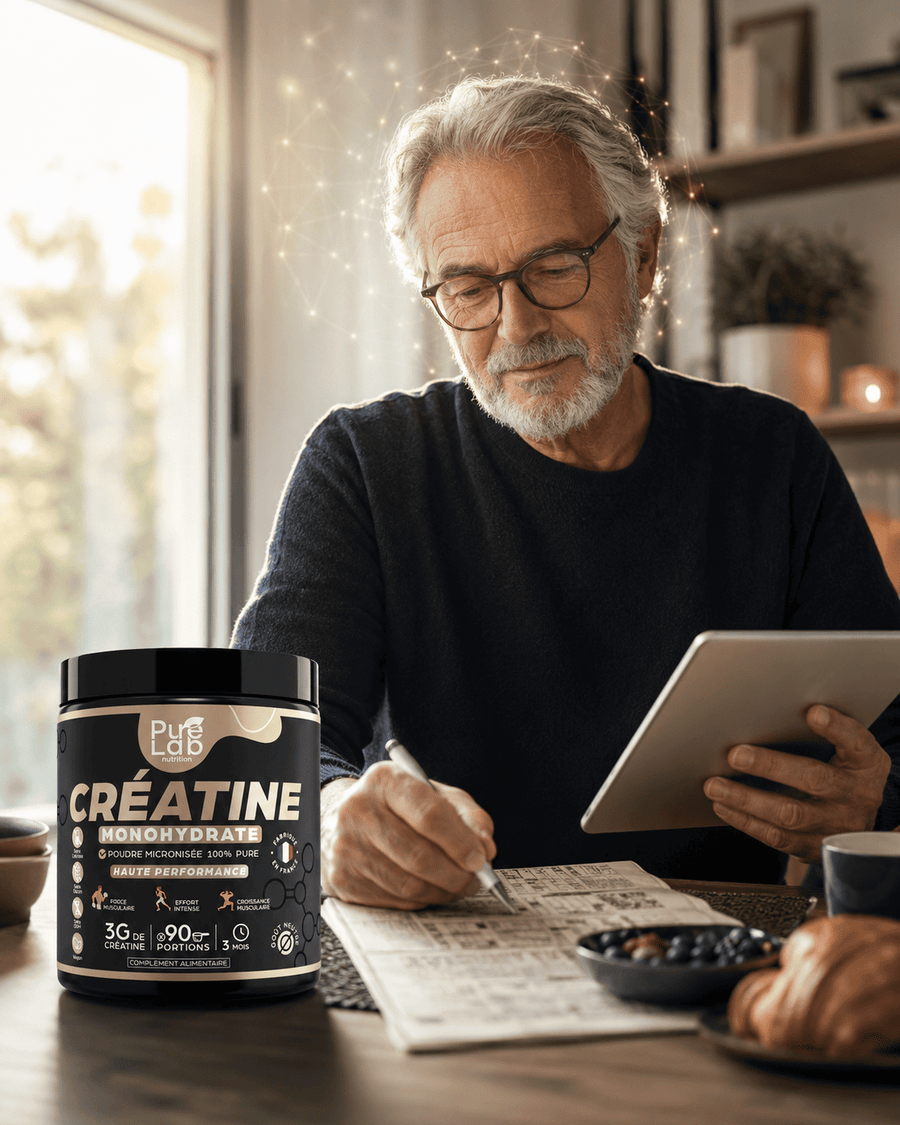
Supplements are only effective when coupled with effort: daily walking, muscle strengthening twice a week, balance exercises. On the nutritional front, our article Creatine for the elderly takes stock of an avenue studied in combination with training.
🧬 Vitamin D and hydration
Vitamin D is frequently prescribed to seniors, given the low sun exposure. As the sensation of thirst decreases with age, remember to also drink regularly, about 1.5 liters per day unless otherwise advised.
🔬 Precautions: medications and common sense
As we get older, interactions become more of an issue. Anticoagulants, thyroid medications, antidiabetics, or antihypertensives can interact with certain supplements. Always discuss this with your doctor or pharmacist, and show them the packaging.
🧬 A few simple rules
One supplement at a time at the beginning; do not combine products with similar compositions; respect the labeled dose; stop and consult in case of unusual symptoms. Also read Can you take several supplements at the same time?
🧬 Warning signs
Involuntary weight loss, unusual fatigue, memory problems, tingling: these signs should lead to a consultation rather than a new supplement.
✅ In summary
1️⃣ After 65, absorption and medications change: target your needs rather than stacking.
2️⃣ Vitamin B12 contributes to normal energy metabolism and normal functioning of the nervous system; blood work guides the decision.
3️⃣ A well-dosed multivitamin is a safety net; spirulina is a complementary food with no authorized claims.
4️⃣ Proteins, physical activity, and medical advice remain the foundations.
Pure Lab Nutrition — The art of nourishing your well-being.
Scientific sources:
- Stabler SP. Vitamin B12 deficiency. New England Journal of Medicine, 2013;368:149-160.
- EFSA Panel on Dietetic Products, Nutrition and Allergies. Scientific Opinion on Dietary Reference Values for cobalamin (vitamin B12). EFSA Journal, 2015;13(7):4150.
- Blumberg JB, et al. The use of multivitamin/multimineral supplements: a modified Delphi consensus panel report. Clinical Therapeutics, 2018;40(4):640-657.
- Gombart AF, Pierre A, Maggini S. A review of micronutrients and the immune system: working in harmony to reduce the risk of infection. Nutrients, 2020;12(1):236.
- Karkos PD, et al. Spirulina in clinical practice: evidence-based human applications. Evidence-Based Complementary and Alternative Medicine, 2011;2011:531053.
- Bauer J, et al. Evidence-based recommendations for optimal dietary protein intake in older people: a position paper from the PROT-AGE Study Group. Journal of the American Medical Directors Association, 2013;14(8):542-559.


Restez informé 🌿
Recevez nos derniers articles et conseils santé directement dans votre boîte mail.