




















Supplements after 50: the essentials
After 50, the body changes, and so do its needs. Menopause in women, a progressive decrease in muscle mass, and less efficient absorption of certain nutrients: it's the right time to take stock, without falling into the opposite extreme of over-supplementing with capsules.
At Pure Lab Nutrition, we rely on ANSES guidelines to help you know what really matters, without overconsuming: the nutrients to watch, the habits that make a difference, examples of routines, and answers to the most frequently asked questions.
📑 Summary
- What changes after 50
- Why needs increase even with a good diet
- Vitamin D
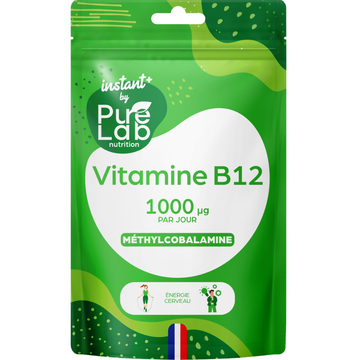
- Vitamin B12
- Proteins and muscles
- Bones: the trio to know
- Other nutrients
- Summary table
- Two sample routines
- A typical week
- Warning signs
- Common mistakes
- Frequently Asked Questions
- In summary
What changes after 50
In 2019, ANSES updated its dietary guidelines for women from menopause onwards and men over 65. Its main findings:
- a diet consistent with guidelines covers most needs
- except for vitamin D, the reference for which is not met by diet alone
- physical activity is essential: ANSES emphasizes the importance of following the recommendations
In other words, the primary "supplement" after 50 remains a varied plate and regular activity. Supplements then help fill specific needs, ideally after discussing it with your doctor and, if necessary, getting blood work done.
Why needs increase even with a good diet
Many believe that eating well is enough to cover everything. After 50, three structural phenomena make targeted supplementation particularly relevant, regardless of the quality of your meals.
🔥 Absorption decreases with age
The efficiency of vitamin B12 absorption decreases with age due to a progressive reduction in the secretion of intrinsic gastric factor. Cutaneous synthesis of vitamin D also declines. These physiological mechanisms mean that identical dietary intake is no longer sufficient to maintain an optimal status.
🌱 Foods are less dense in micronutrients
Intensive farming has progressively depleted soil minerals. A vegetable today is no longer nutritionally equivalent to the same vegetable from 50 years ago. For a person whose needs increase while appetite may decrease, this gap between intake and real needs widens further.
😮💨 Chronic stress depletes reserves
Cortisol accelerates the elimination of magnesium, mobilizes vitamin C, and intensely uses B-group vitamins. At an age where sources of stress — professional, family, health-related — remain present, this physiological drain adds to the changes in absorption. Targeted supplementation addresses a biological reality, not a trend.
Vitamin D
The nutritional reference is 15 µg per day. However, according to ANSES, adults consume an average of only 3.1 µg per day through diet. The agency cites the elderly, whose ability to absorb or synthesize vitamin D decreases with age, and menopausal women among the most vulnerable populations.
Vitamin D contributes to the maintenance of normal bones, normal muscle function, and the normal absorption and utilization of calcium and phosphorus. To take advantage of it:
✅ Sun: ANSES indicates that 15 to 20 minutes of exposure in the late morning or afternoon ensures sufficient intake, provided you can be exposed regularly
✅ Your plate: oily fish, egg yolk, fortified products
✅ The right time: take it with a meal containing fats, which promotes its absorption
Be careful, however, with overdosing: ANSES reminds us that excess vitamin D can lead to hypercalcemia. Do not combine several products that contain it, and talk to your doctor, who can suggest a dosage and appropriate supplementation.
Vitamin B12
With age, vitamin B12 absorption tends to decrease. In its 2019 opinion, ANSES noted that B12 supplementation is sometimes suggested on a case-by-case basis for this reason. B12 contributes to reducing fatigue, to the normal functioning of the nervous system, and to the normal formation of red blood cells. Certain long-term medications can also influence your status: your doctor will be able to tell you if a dosage test is useful. Read Vitamin B12 deficiency: symptoms and affected people.
👉 Discover our Vitamin B12 Instant+ here.
Proteins and muscles
The protein reference is 1 g per kg of body weight per day after 65, according to ANSES. Combined with regular physical activity, especially muscle strengthening, they help preserve muscle mass. In practice, remember to include a source of protein in every meal: eggs, fish, meat, dairy products, legumes.
🍳 In practice
For a person weighing 70 kg, the 1 g per kg reference represents about 70 g of protein per day. Rather than concentrating it all at dinner, it is better to distribute it throughout the day: a breakfast that contains some (eggs, cottage cheese, yogurt), a portion of meat, fish, or legumes at lunch and dinner, and possibly a dairy snack. In case of a small appetite, smaller but more frequent portions are often better tolerated.
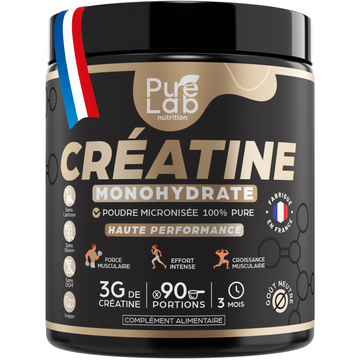
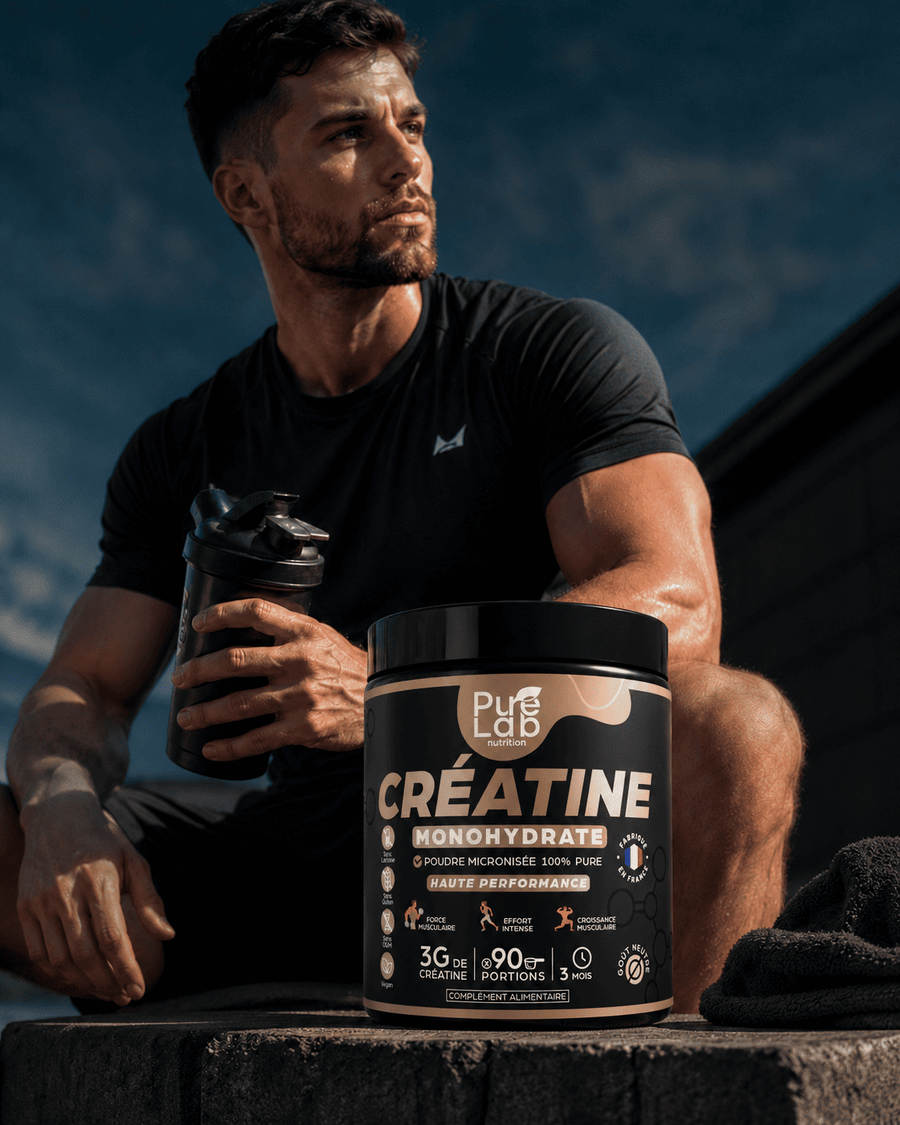
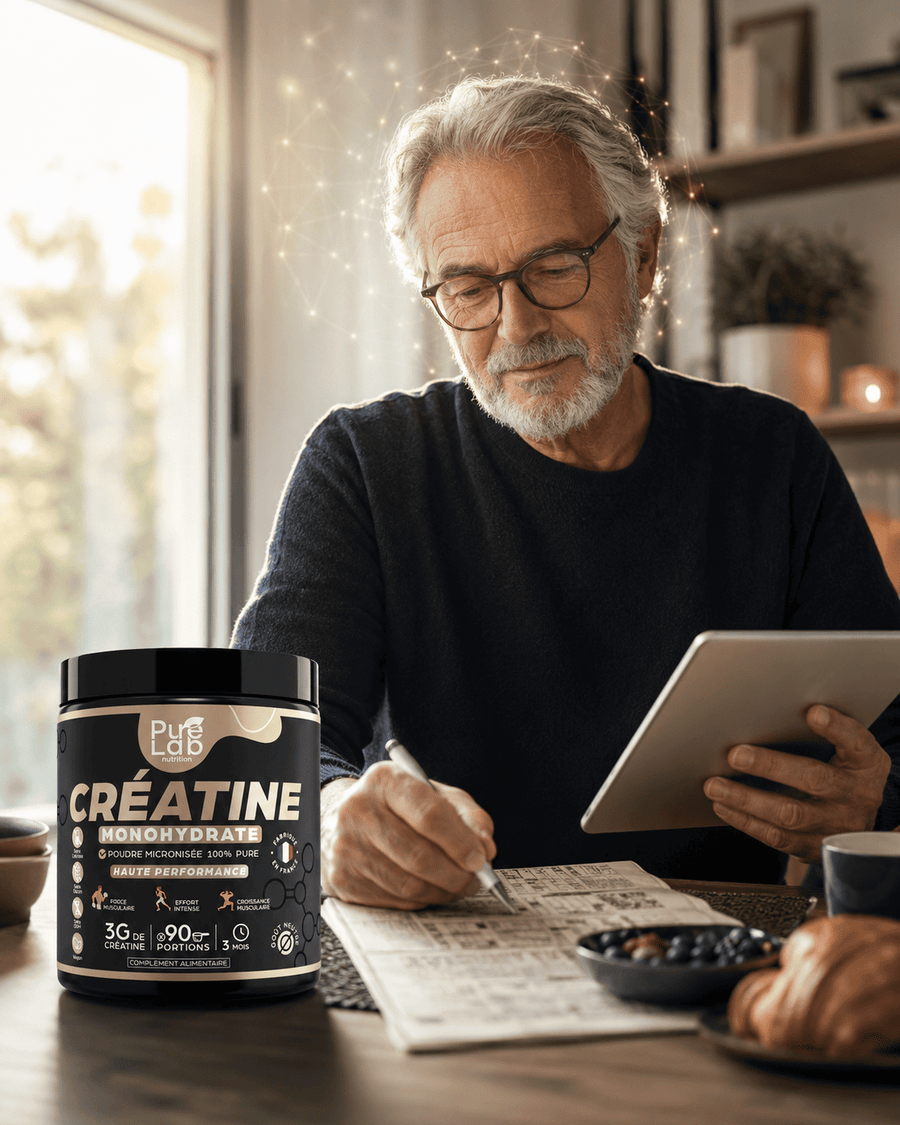
Good to know: creatine is also studied in seniors and in women after menopause. A review published in 2021 in Nutrients (Smith-Ryan et al.) looked at its value at different stages of a woman's life, especially in combination with resistance training. From a regulatory standpoint, the only authorized health claim concerns performance: creatine improves physical capabilities in successive bursts of short-term, high-intensity exercise, for a consumption of 3 g per day for adults practicing this type of exercise. Other avenues remain in the realm of research. Read Creatine in women.
Bones: the trio to know
After 50, and even more so after menopause, bone health becomes a legitimate concern. Three nutrients work together:
✅ Calcium, the main constituent of bone: the reference is 950 mg per day, and according to ANSES, a diet compliant with the guidelines, with dairy products, covers it
✅ Vitamin D, which contributes to the normal absorption and utilization of calcium and phosphorus
✅ Vitamin K, which contributes to the maintenance of normal bones, notably present in green vegetables
Magnesium, which also contributes to the maintenance of normal bones, as well as normal muscle function and the reduction of fatigue, completes this picture; it is found in oilseeds, whole grains, and legumes. But physical activity remains essential, particularly weight-bearing exercises (walking, climbing stairs) and muscle strengthening, which stress the bone and maintain balance.
Good to know: if you are on anticoagulant treatment, seek your doctor's advice before taking a supplement containing vitamin K, such as certain multivitamins.
Other nutrients
✨ Collagen + vitamin C
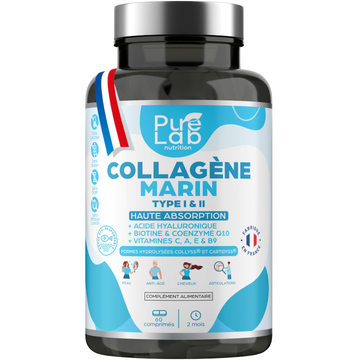
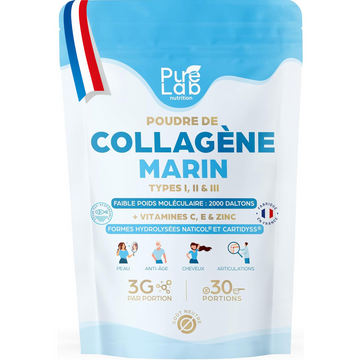
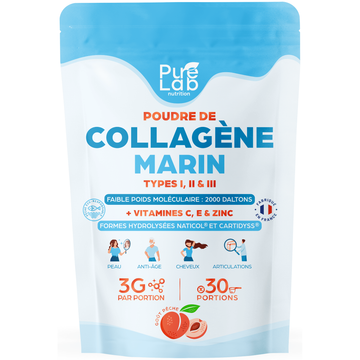
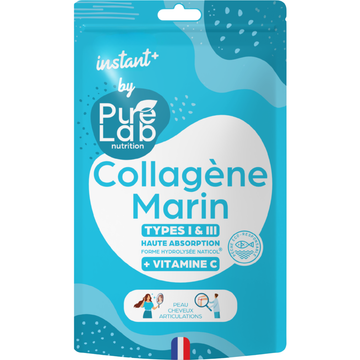
Vitamin C contributes to normal collagen formation for the normal function of bones, cartilage, and skin. Collagen itself does not benefit from an authorized health claim, but it has been studied: a meta-analysis published in 2023 in Nutrients, including 26 randomized trials and over 1,700 participants, observed an improvement in skin hydration and elasticity compared to a placebo. Read From 25 years old, does marine collagen become essential?
💊 What about multivitamins?
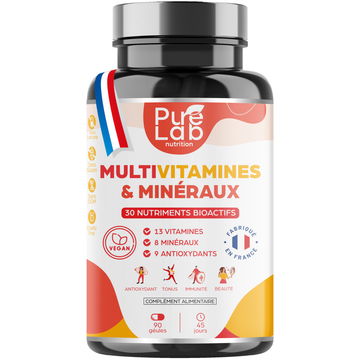
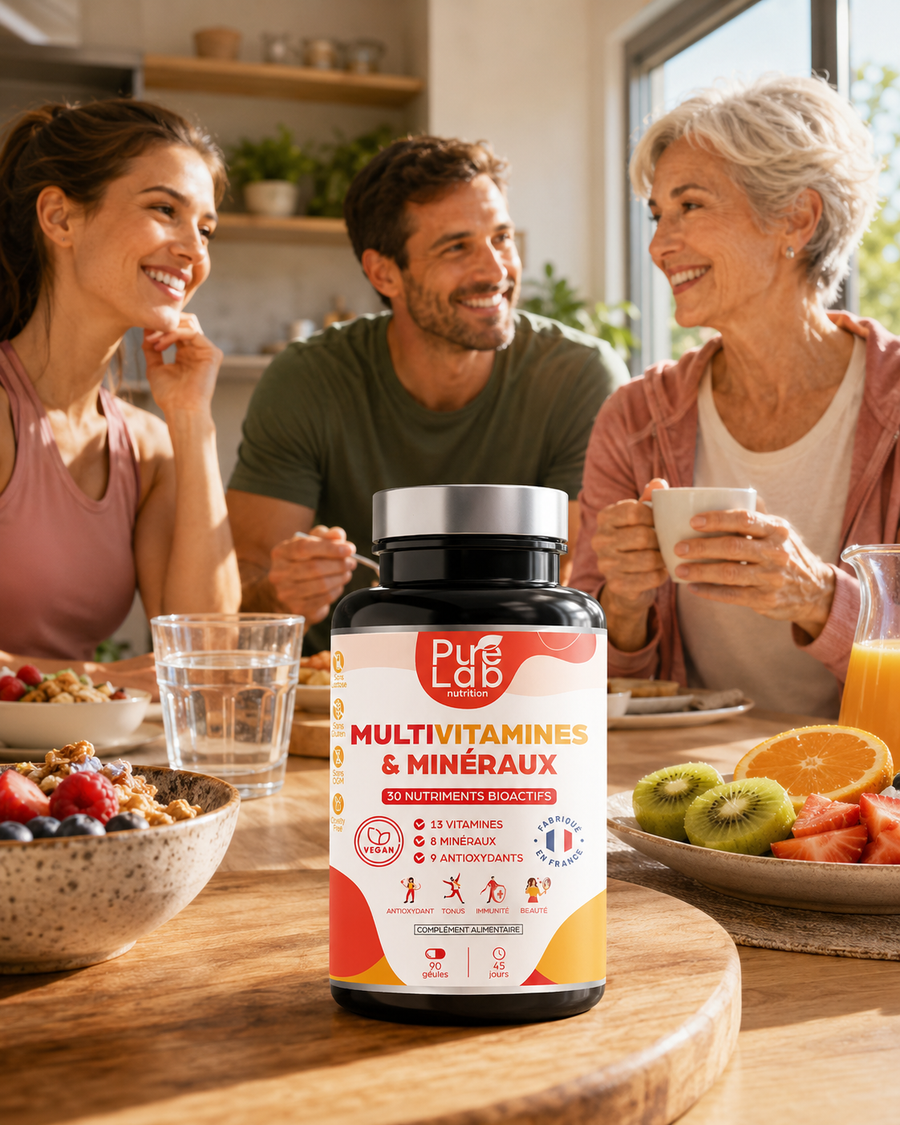
In 2022, the American organization USPSTF estimated that there was insufficient evidence to recommend multivitamins for the purpose of preventing cardiovascular disease or cancer in adults. A multivitamin is therefore not a shield. On the other hand, it can help supplement a less varied diet, for example, in case of a small appetite. Our formula, at 2 capsules per day, contains vitamin D3 and vitamin K2 (K2VITAL), minerals in the form of bisglycinates and Quatrefolic folate, and contains no iron or copper.
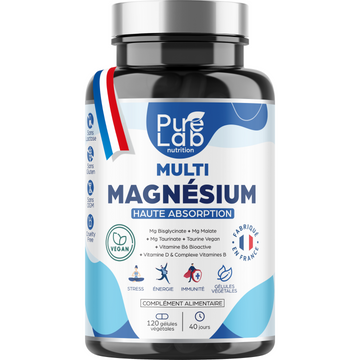
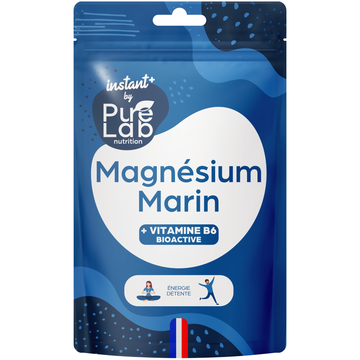
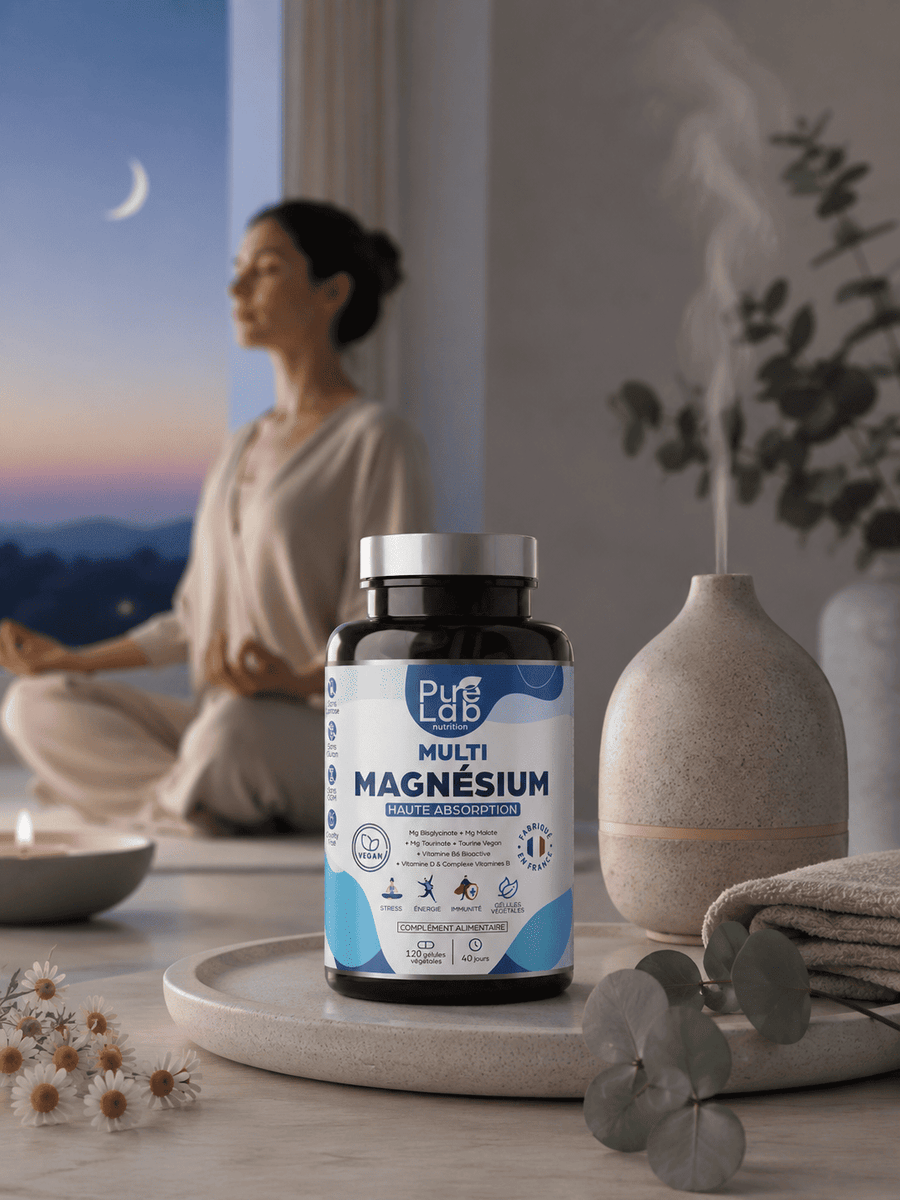
👉 Discover our Multivitamins & Minerals, our Multi Magnesium, and our Marine Collagen here.
Summary table
| Nutrient | Reference | Covered by diet? |
|---|---|---|
| Vitamin D | 15 µg/day | No, discuss with your doctor |
| Proteins | 1 g/kg/day after 65 | Yes, if diet is compliant |
| Calcium | 950 mg/day | Yes, if diet is compliant |
| Vitamin B12 | 4 µg/day | Yes in theory, but absorption reduced with age |
In case of loss of appetite or involuntary weight loss, consult a doctor: undernutrition is a risk that should not be neglected in the elderly.
Two sample routines
👩 Françoise, 56, menopausal and active
Françoise walks every day and does yoga. Her doctor advised her to take a vitamin D supplement in winter. She adds two muscle-strengthening sessions per week and makes sure to consume dairy products. If she wants collagen, she chooses a formula combined with vitamin C.
👨 Jean, 68, small appetite
Jean eats less than before and feels tired more quickly. First step: talk to his doctor, who checks his vitamin B12 and vitamin D levels. He makes sure to include proteins in every meal and can rely on a multivitamin to supplement his diet, while checking that he does not combine vitamin D with another product.
A typical week
| Day | Activity | Nutrition Focus |
|---|---|---|
| Monday | 30-minute brisk walk | Eggs at breakfast |
| Tuesday | Muscle strengthening | Oily fish at dinner |
| Wednesday | Gardening or cycling | Legumes at lunch |
| Thursday | Walking + balance exercises | Dairy product at every meal |
| Friday | Muscle strengthening | Green vegetables and oilseeds |
| Weekend | Outdoor trip | A moment in the sun, depending on the season |
Any supplements are added to this base, always at the same time of day.
Warning signs
Certain signs do not call for a supplement but for a consultation:
❌ involuntary weight loss or a persistent decrease in appetite
❌ unusual fatigue that does not go away with rest
❌ falls or loss of balance, new difficulty rising from a chair
❌ tingling in the hands or feet, memory problems
❌ unexplained bone pain
Common mistakes
❌ Taking double vitamin D (multivitamin + ampoule + "bone" supplement)
❌ Relying on supplements while neglecting physical activity
❌ Reducing proteins thinking you need less with age
❌ Not mentioning your supplements to your doctor, as treatments are often underway at this age
❌ Trivializing persistent fatigue: read Persistent fatigue: which deficiencies to check?
Frequently Asked Questions
❓ Should you take vitamin D all year round?
This depends on your sun exposure, your diet, and your status. This is a question for your doctor, who can prescribe a blood test if necessary.
❓ Is a multivitamin enough after 50?
It can supplement a less varied diet, but does not replace the plate or physical activity. Check its contents to avoid duplicates.
❓ Do supplements interact with my medications?
Some do. Always show the list of your supplements to your doctor or pharmacist.
❓ Is collagen useful after 50?
It has been studied for the skin, without an authorized claim. If you take it, prefer a formula with vitamin C; protein from your plate remains the priority.
❓ Should you drink more as you age?
Water needs remain, but we think about it less. Keep a pitcher handy and drink throughout the day, without waiting until you are thirsty.
❓ Is it too late to build muscle?
No. ANSES insists on the importance of physical activity at any age, with sufficient protein intake.
In summary
1️⃣ Vitamin D is the most difficult nutrient to meet without exceeding recommended doses
2️⃣ B12 requires attention, as its absorption decreases with age
3️⃣ Modern deficiencies are structural: depleted soils, reduced absorption, chronic stress — targeted supplementation is rational after 50
4️⃣ Protein and physical activity to preserve muscle
5️⃣ Medical advice to adapt your routine
Pure Lab Nutrition ... The art of nourishing your well-being.
Sources:
- ANSES (2019). Opinion on updating PNNS dietary guidelines for post-menopausal women and men over 65. Referral no. 2017-SA-0143. anses.fr
- ANSES. Vitamin D: why and how to ensure sufficient intake? anses.fr
- Smith-Ryan A.E., Cabre H.E., Eckerson J.M., Candow D.G. (2021). Creatine Supplementation in Women's Health: A Lifespan Perspective. Nutrients, 13(3), 877. PMC
- Pu S.Y., Huang Y.L., Pu C.M. et al. (2023). Effects of Oral Collagen for Skin Anti-Aging: A Systematic Review and Meta-Analysis. Nutrients, 15(9):2080. PubMed
- USPSTF (2022). Vitamin, Mineral, and Multivitamin Supplementation to Prevent Cardiovascular Disease and Cancer. American Family Physician. aafp.org
- EFSA (2015). Scientific opinion on dietary reference values for vitamin B12. efsa.europa.eu
- Regulation (EU) No 432/2012 establishing a list of permitted health claims. EUR-Lex


Restez informé 🌿
Recevez nos derniers articles et conseils santé directement dans votre boîte mail.


