















Health claims: what is permitted and what is not
"Contributes to the reduction of fatigue", "contributes to the maintenance of normal skin": these sober phrases are no coincidence. In Europe, everything a dietary supplement can say about health is regulated, validated, and listed. Here is how this system works, and how to spot promises that fall outside the framework.
📑 Contents
- Why claims are regulated
- The three families of claims
- The list in Regulation (EU) No 432/2012
- What is prohibited or unauthorized
- Conditions of use and associated statements
- How to verify a claim in practice
🔬 Why claims are regulated
Before 2006, health claims on food were subject to heterogeneous national rules. Regulation (EC) No 1924/2006 of 20 December 2006 established a simple principle: any nutrition or health claim must be clear, accurate, based on generally accepted scientific evidence, and must not mislead the consumer. A health claim is only permitted if it is authorized and included on a European list.
The goal is twofold: to protect consumers against fanciful promises and to ensure fair competition between operators. Each authorized claim has been subject to a scientific evaluation by the European Food Safety Authority (EFSA), followed by a decision by the European Commission.
🧬 The principle of scientific justification
Article 6 of the regulation requires that the claim be substantiated by generally accepted scientific evidence. EFSA examines the causal link between the consumption of a substance and the claimed effect, based on human studies. A claim based solely on results obtained in cells or animals, or on traditional usage, is not sufficient for authorization.
🗂️ The three families of claims
The regulation distinguishes several categories. Nutrition claims indicate that a food has specific nutritional properties: "source of vitamin C", "rich in magnesium", "no added sugars". Their conditions are listed in the annex to the regulation; for example, the mention "source of" a vitamin or mineral assumes a significant content, generally at least 15% of the NRV per portion.
Article 13 health claims describe the role of a nutrient in the normal functions of the body: growth, development, physiological or psychological functions. Finally, Article 14 covers claims of reduction of disease risk and those related to children's development and health. The latter are subject to individual authorization and are much rarer; most supplements do not rely on them.
💬 The choice of words: "contributes to"
The authorized formulations use almost the exact wording of the regulation: "contributes to...", "is necessary for...". They describe a role in normal functioning, never an effect on a disease. This choice is not a matter of style: it reflects what the scientific data allow us to conclude for a healthy person who meets their nutrient requirements.
📋 The list of Regulation (EU) No 432/2012
Commission Regulation (EU) No 432/2012 of 16 May 2012 establishes the list of authorized health claims made on foods, other than those referring to the reduction of disease risk and to children's development and health. It includes over two hundred claims, mainly related to vitamins, minerals, and a few other substances. The list can be consulted in the European Union Register of nutrition and health claims, maintained by the Commission.
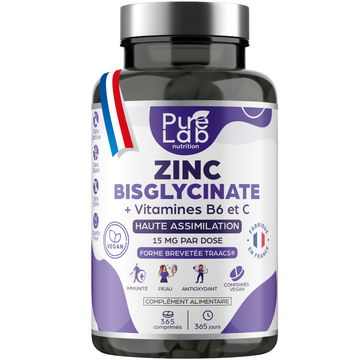
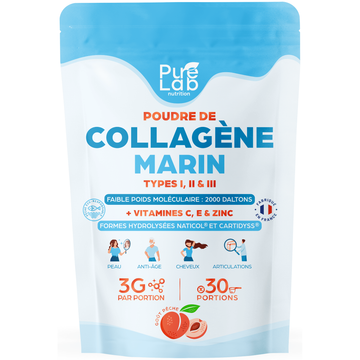
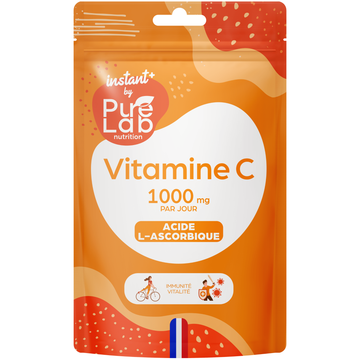
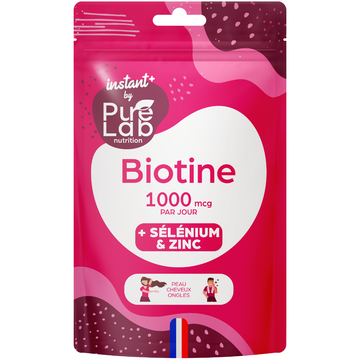
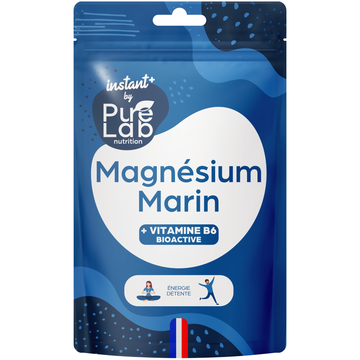
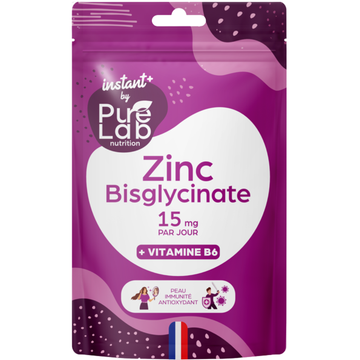
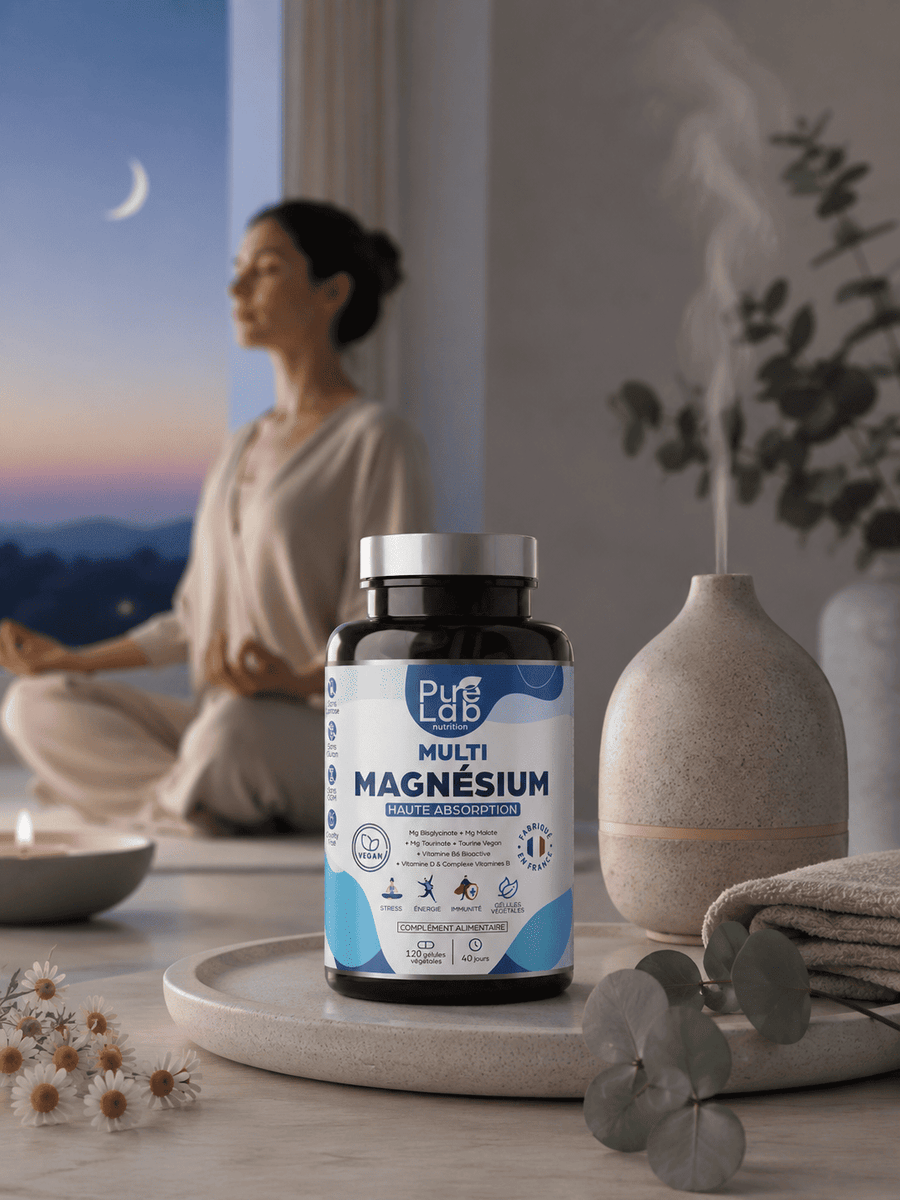
Here are some examples, with their authorized wording. For vitamin C: "contributes to the protection of cells from oxidative stress", "contributes to the normal function of the immune system" or "contributes to the reduction of fatigue". For zinc: "contributes to the maintenance of normal skin" or "contributes to normal cognitive function". For magnesium: "contributes to the reduction of fatigue" or "contributes to normal psychological function". For biotin: "contributes to the maintenance of normal hair".
🌿 The case of plants
Many claims related to plants and plant extracts do not appear in the list: their review has remained on hold at the European level, in the category known as "on-hold claims". As long as they are not authorized, it is not possible to associate a health claim with them. This is why pages for a plant like ashwagandha remain descriptive, and it is also the reason why we refer to scientific literature without making promises. Our guide on ashwagandha details these nuances.
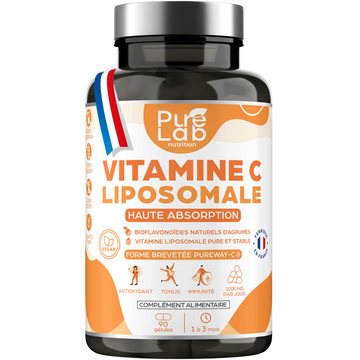
✅ Our Liposomal Vitamin C at Pure Lab Nutrition: vitamin C contributes to the protection of cells from oxidative stress and to the normal function of the immune system.
👉 Discover our Liposomal Vitamin C here.
🚫 What is prohibited or unauthorized
Article 12 of the regulation prohibits certain claims, regardless of the product: those that suggest that not consuming the food could be detrimental to health, those that refer to the rate or amount of weight loss, and those that refer to the recommendations of individual doctors or health professionals. Law also prohibits attributing therapeutic properties to a food: a food product cannot be presented as curing a disease, which would place it in the category of a medicinal product, as we explain in our article Dietary supplement or medicine: what is the difference?
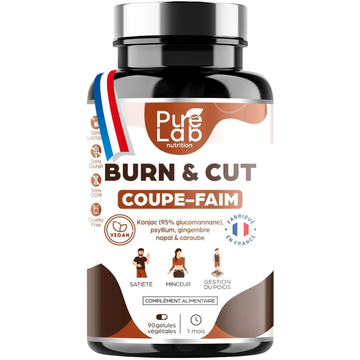
Beyond these prohibitions, any phrase that does not appear in the register is, by definition, unauthorized. Common expressions such as "boosts immunity", "detox", "fat burner", or "natural anti-inflammatory" do not correspond to any authorized claim for a dietary supplement. They are not always illegal in themselves, as everything depends on the context, but they expose the seller to sanctions as soon as they are presented as health effects.
⚠️ Generic claims
Vague phrases like "good for health" or "promotes well-being" fall under Article 10, paragraph 3: they are only permitted if they are accompanied by a specific authorized health claim. Without this clarification, they do not meet the requirements of the regulation. Images, logos, and pictograms also count: a claim can be implicit and result from a visual element.
📝 Conditions of use and associated statements
An authorized claim cannot be used under just any condition. The product must contain the substance in question in a significant amount, and each claim in the register may be accompanied by conditions of use. For example, the claim regarding vitamin C and fatigue requires that the product be at least a source of vitamin C according to the annex of the regulation.
Article 10, paragraph 2, also imposes accompanying statements: an indication of the importance of a varied diet and a healthy lifestyle, the amount of the food and the pattern of consumption required to obtain the claimed effect, and, where appropriate, a warning intended for persons who should avoid the product or those who should consume it with caution. These mentions are in addition to the mandatory information on the label, presented in our guide on how to read a dietary supplement label.
🔍 Who performs the controls?
In France, the DGCCRF controls compliance with claims. Misleading commercial practices are sanctioned by the Consumer Code, particularly in articles L. 121-2 and following. Sanctions can range from an injunction to remove a claim to criminal prosecution, depending on the severity of the breach.
🧭 How to verify a claim in practice
When you read a promise on packaging or in an advertisement, three checks are enough. First, does the phrase contain a measured verb like "contributes" and a specific nutrient? Second, can this phrase, or one very close to it, be found in the European register? Third, does the dose per portion allow the use of the claim, with regard to the "source of" status?
If you notice that a product mentions a disease, promises a quantified result, or cites a testimonial as proof, step back. You can report dubious practices to the DGCCRF via the population protection services in your department. Finally, keep in mind that a claim describes the role of a nutrient, not the result you will personally obtain: check out our article How long does it take to see the effects of a supplement? for realistic expectations.
✅ In summary
1️⃣ Regulation (EC) No 1924/2006 requires that any health claim be authorized, scientifically substantiated, and not misleading.
2️⃣ Regulation (EU) No 432/2012 lists authorized claims, formulated with measured verbs such as "contributes to".
3️⃣ Promises without a match in the register, references to diseases, and quantified results should be avoided or viewed with suspicion.
4️⃣ For any personal health question, seek the advice of your doctor or pharmacist.
Pure Lab Nutrition — The art of nourishing your well-being.
Scientific sources:
- Regulation (EC) No 1924/2006 of the European Parliament and of the Council of 20 December 2006 on nutrition and health claims made on foods (articles 5, 6, 10, 12, 13 and 14).
- Commission Regulation (EU) No 432/2012 of 16 May 2012 establishing a list of permitted health claims made on foods, other than those referring to the reduction of disease risk and to children's development and health.
- European Commission, EU Register on nutrition and health claims.
- Regulation (EU) No 1169/2011 of 25 October 2011, Annex XIII (nutrient reference values).
- Consumer Code, articles L. 121-2 et seq. (misleading commercial practices) – Légifrance; DGCCRF, fact sheet "Nutrition and health claims".


Restez informé 🌿
Recevez nos derniers articles et conseils santé directement dans votre boîte mail.