


















How long does it take to see the effects of a supplement?
Have you started a supplement course ten days ago and you don’t feel “anything”? That’s normal. Most supplements do not act like a medication: they supplement intake, replenish stores, or support tissue renewal. And that takes time.
At Pure Lab Nutrition, we want you to judge a course based on the right duration. Here are the timeframes observed in studies, supplement by supplement, along with our advice for tracking your progress and the mistakes that lead to quitting too soon.
📑 Summary
- Why it takes time
- Timeframes supplement by supplement
- The details
- How to track your progress
- How to succeed in your course
- Common mistakes
- Frequently asked questions
- In summary
Why it takes time
- Replenishing stores: iron or creatine accumulate gradually in the body
- Renewing tissues: skin, hair, and nails renew themselves over several weeks or even months
- Progressive effects: for plants like ashwagandha, trials generally last for two months or more
Another important point: if your intake was already sufficient, a supplement will not necessarily bring about a noticeable change. A nutrient contributes to the normal functioning of the body; it does not push it beyond that. This is why the effect felt varies greatly from one person to another.
Timeframes supplement by supplement
| Supplement | Duration observed in studies |
|---|---|
| Creatine | About 3 to 4 weeks to saturate muscles at 3 to 5 g per day, or 5 to 7 days with a loading phase |
| Ashwagandha | 8 weeks or more for a clearer effect on sleep |
| Magnesium + B6 | Stress trial: results measured at 4 and 8 weeks |
| Iron | 12 weeks in the fatigue trial (upon prescription) |
| Collagen | Several weeks to a few months depending on skin trials |
| Hair and nails | Several months, the time it takes for them to grow |
The details
💪 Creatine
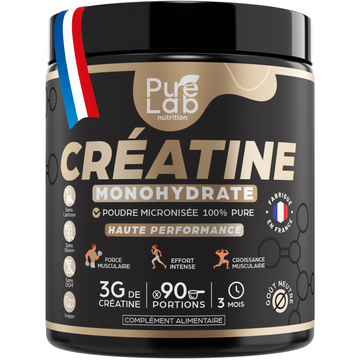
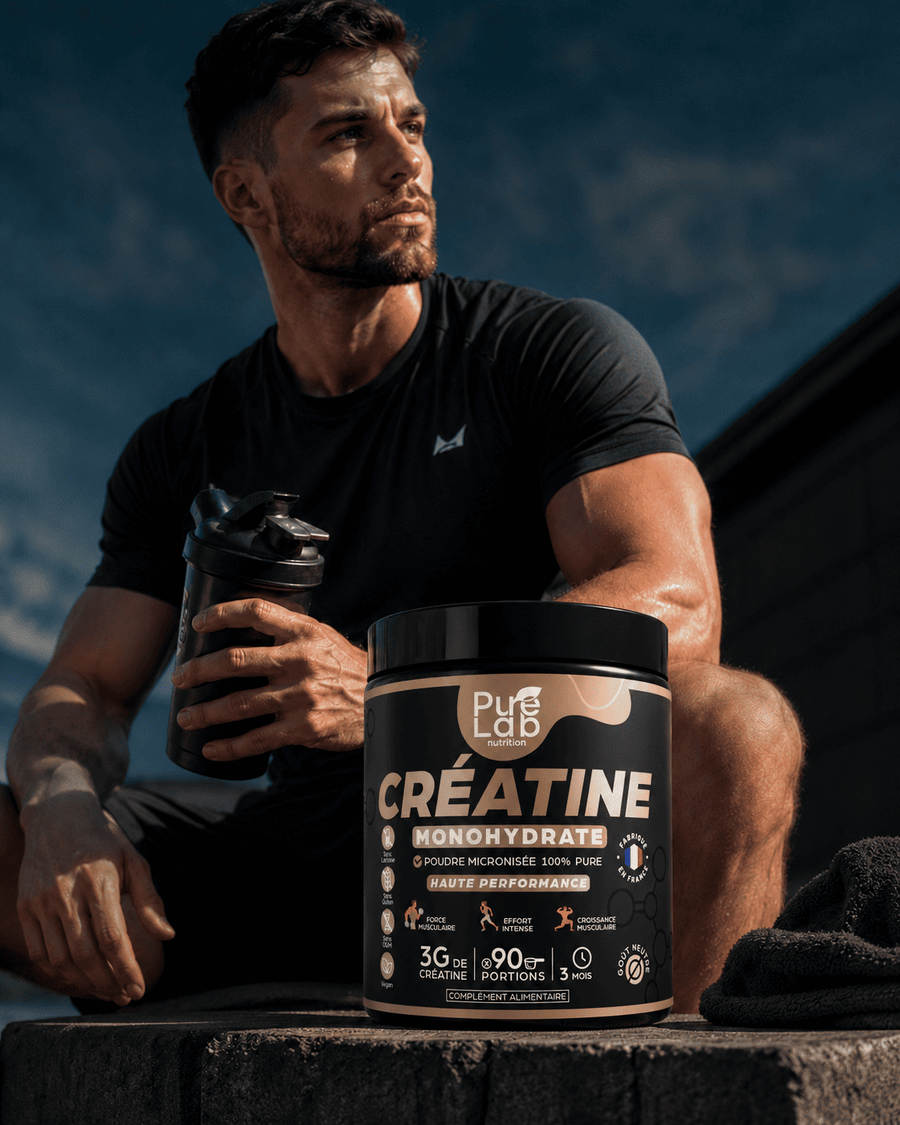
According to the ISSN position stand (Kreider et al., 2017), an intake of 3 to 5 g per day gradually saturates muscle stores in about 3 to 4 weeks. A loading phase (about 0.3 g/kg/day for 5 to 7 days) accelerates the process but is not essential. Creatine increases physical performance during repeated short-duration, high-intensity exercises at a dose of 3 g per day. Read Creatine: separating fact from fiction.
🌿 Ashwagandha
The meta-analysis by Cheah et al. (2021) observed a clearer effect on sleep for durations of at least 8 weeks and doses of at least 600 mg per day. Therefore, do not judge after just a few days. Read Ashwagandha and sleep: what the studies say.
🧂 Magnesium + B6
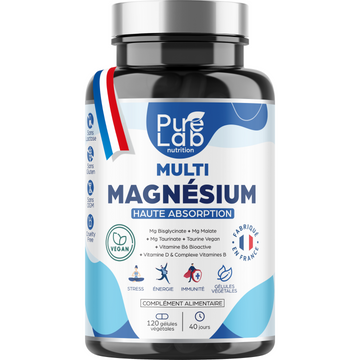
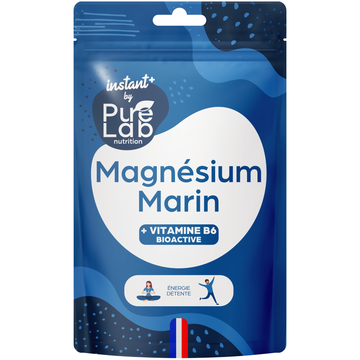
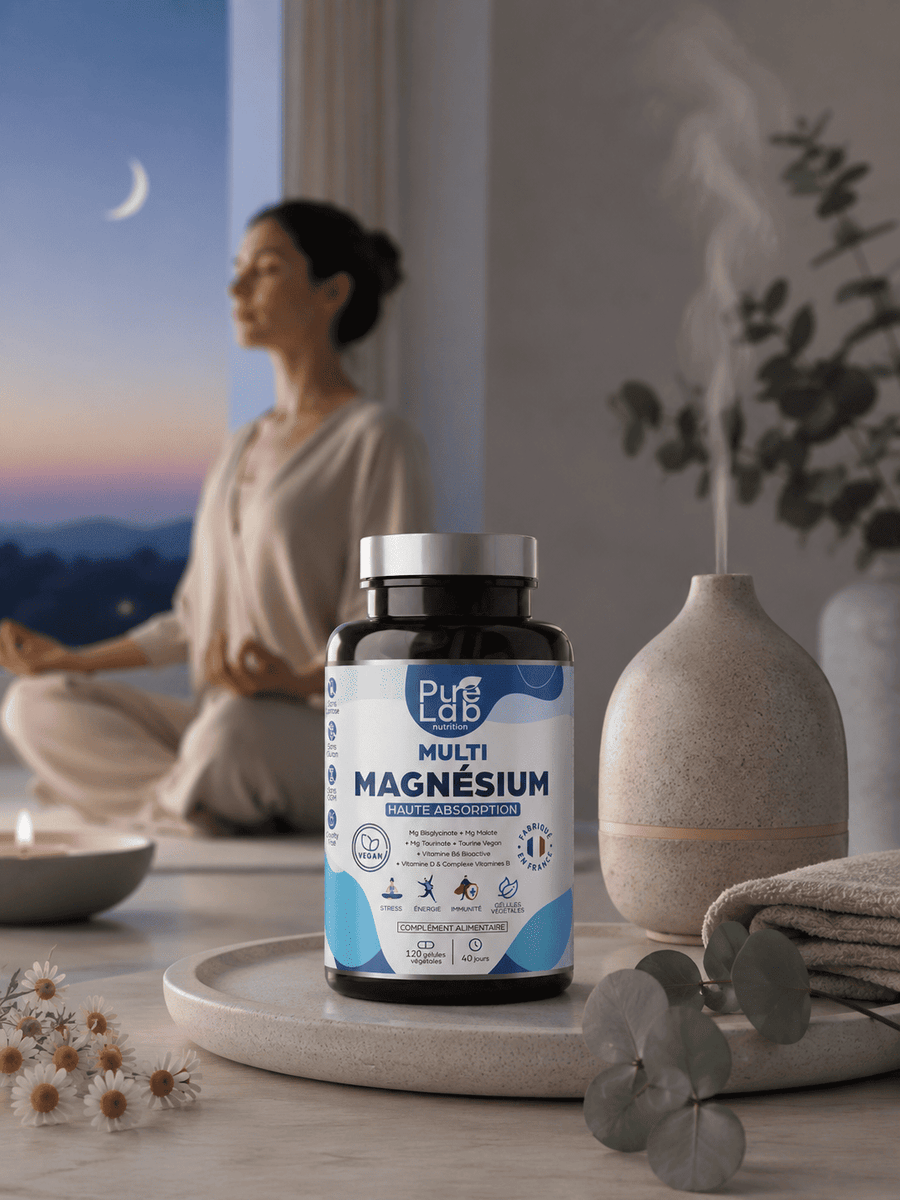
In the trial by Pouteau et al. (2018), conducted on 264 stressed adults with low blood magnesium, the stress score dropped by about 45% in 8 weeks, with magnesium alone or combined with B6. Results were measured at 4 and 8 weeks. To learn more, read How long does magnesium actually take to work?
🩸 Iron
In the trial by Vaucher et al. (2012), 198 non-anemic women with low ferritin received 80 mg of iron per day for 12 weeks. Fatigue decreased by 47.7% compared to 28.8% in the placebo group. This type of supplementation should be done under medical advice following a blood test.
🧠 Vitamin B12
In case of insufficient intake, B12 is replenished gradually. If you have a proven deficiency, your doctor will set the duration and monitor progress with a blood test.
✨ Collagen
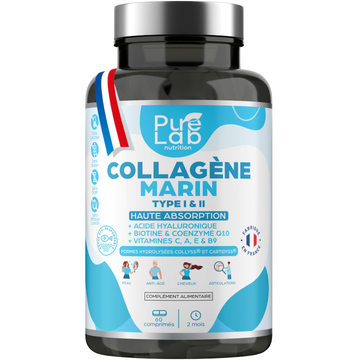
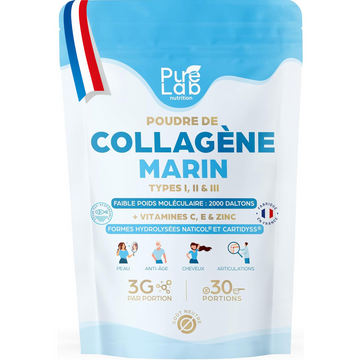
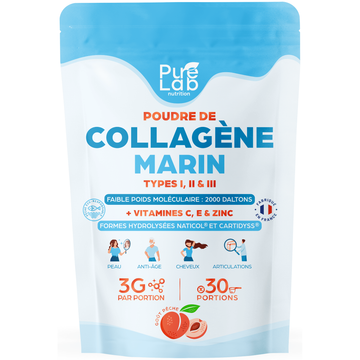
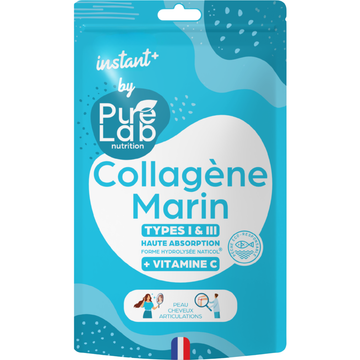
In the meta-analysis published in 2023 in Nutrients, which included 26 randomized trials and over 1,700 participants, trials showing an improvement in skin hydration and elasticity lasted from several weeks to several months. This is why our marine collagen tablets are taken as a 2-month course. Read Collagen: which format to choose?
How to track your progress
Day-to-day feelings are deceptive: a bad night or a busy week can mask an improvement. A few simple tools help to get a clear picture:
✅ A notebook or a note on your phone: rate your energy, sleep, or stress level on a scale of 1 to 10 at the start, then every two weeks
✅ Photos for skin, hair, or nails, taken in the same lighting
✅ A training log for creatine: loads, repetitions, recovery
✅ A blood test for iron, vitamin D, or B12, upon your doctor’s advice
How to succeed in your course
✅ Be consistent: take daily, at a fixed time
✅ Complete the recommended duration before judging
✅ Note your sensations at the start, then every two weeks
✅ Do not double doses to speed things up
✅ Consult if your symptoms persist or worsen
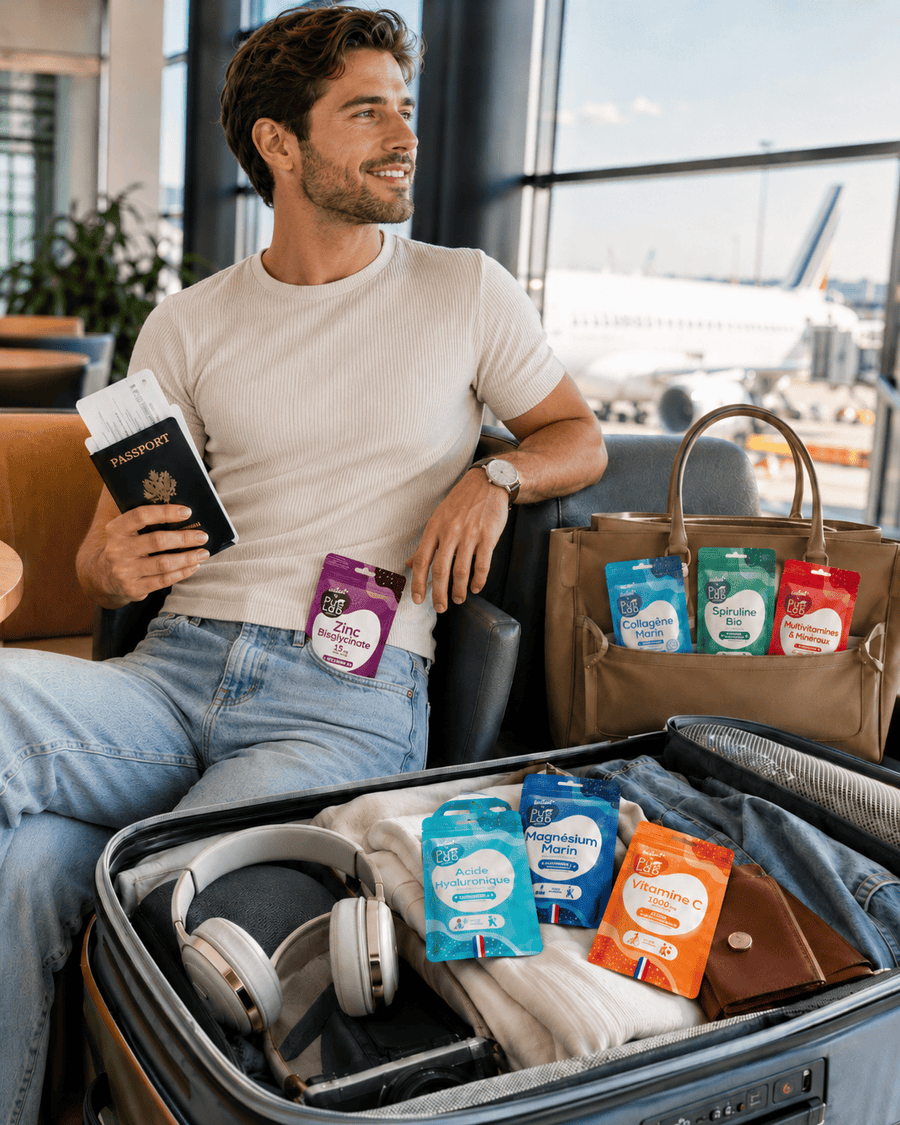
Practical tip: keep your supplement where you will see it every day, or slip a pocket format into your bag. Our Instant+ formulas are designed for this, with 15 or 30-day courses depending on the formula. To get started, read Getting started with a supplement course.
Common mistakes
✅ Stopping after one week due to a lack of perceived effect
✅ Switching products every two weeks, never giving any of them time to work
✅ Forgetting every other dose: inconsistency slows down results
✅ Expecting a supplement to compensate for a lack of sleep or an unbalanced diet
✅ Extending a course indefinitely without ever taking stock
Frequently asked questions
❓ I don't feel anything after a month, should I stop?
Not necessarily. First, check the duration used in studies for this supplement. If you have exceeded it without change, check in with a healthcare professional: the need may not have been there, or the cause lies elsewhere.
❓ Can we speed up effects by increasing the dose?
No. Follow the indicated daily portion. Only creatine is subject to a loading phase described in the literature, and it remains optional.
❓ Should I take breaks between two courses?
That depends on the product. Follow the indicated course duration and take the opportunity at the end of each course to re-evaluate your needs.
❓ Does the effect disappear when stopping?
Stores (creatine, iron) decrease gradually upon stopping. For other nutrients, it all depends on your subsequent dietary intake.
In summary
1️⃣ A supplement does not act like a medication
2️⃣ Generally count on 4 to 12 weeks depending on the supplement
3️⃣ Consistency matters more than the dose
4️⃣ Judge based on the duration used in studies, supported by a tracking notebook
Pure Lab Nutrition ... The art of nourishing your well-being.
Sources:
- Kreider R.B. et al. (2017). International Society of Sports Nutrition position stand: safety and efficacy of creatine supplementation in exercise, sport, and medicine. Journal of the International Society of Sports Nutrition, 14:18. JISSN
- Cheah K.L. et al. (2021). Effect of Ashwagandha (Withania somnifera) extract on sleep: A systematic review and meta-analysis. PLoS ONE, 16(9), e0257843. PubMed
- Pouteau E. et al. (2018). Superiority of magnesium and vitamin B6 over magnesium alone on severe stress in healthy adults with low magnesemia. PLoS ONE, 13(12):e0208454. DOI
- Vaucher P. et al. (2012). Effect of iron supplementation on fatigue in nonanemic menstruating women with low ferritin: a randomized controlled trial. CMAJ, 184(11):1247-1254. PMC
- Pu S.Y., Huang Y.L., Pu C.M. et al. (2023). Effects of Oral Collagen for Skin Anti-Aging: A Systematic Review and Meta-Analysis. Nutrients, 15(9):2080. PubMed
- Regulation (EU) No 432/2012 on authorized health claims. EUR-Lex


Restez informé 🌿
Recevez nos derniers articles et conseils santé directement dans votre boîte mail.