




















Supplements and nutrition: should they be taken on an empty stomach or with meals?
A well-chosen dietary supplement also deserves to be taken correctly. On an empty stomach, at breakfast, or in the middle of dinner: the timing can influence digestive comfort and, for certain nutrients, absorption. Here are clear guidelines, nutrient by nutrient, to help you build a simple routine.
📑 Contents
- Why the timing of intake matters
- Empty stomach or with a meal: the general principles
- Collagen: flexible intake
- Zinc: prioritizing digestive comfort
- Vitamin C: on an empty stomach or with a meal?
- Building a sustainable routine
🔬 Why the timing of intake matters
When you swallow a capsule or tablet, the nutrient travels through the stomach to the small intestine, where most of the absorption takes place. The presence or absence of food alters several factors: the speed of gastric emptying, stomach acidity, the secretion of bile and digestive enzymes, and the presence of other compounds that can either aid or hinder absorption.
Two criteria should therefore be kept in mind: absorption (the amount actually captured by the body) and tolerance (digestive comfort). The best time is often the one you can stick to daily: a supplement taken regularly, even at an imperfect time, is better than one ideally timed but forgotten.
🧬 Absorption and tolerance: two distinct concepts
Some nutrients are better tolerated with food, as food buffers acidity and limits stomach irritation. Conversely, foods rich in fiber, phytates (whole grains, legumes), or polyphenols (tea, coffee) can bind to certain minerals and reduce their absorption. The "ideal meal" therefore depends on the supplement.
🍽️ Empty stomach or with a meal: the general principles
There is no universal rule, but some general guidelines apply:
- Fat-soluble vitamins (A, D, E, K): these are absorbed better with lipids, so during a meal that contains some fat.
- Minerals (zinc, iron, magnesium): absorption may be better away from meals, but digestive tolerance is often better with some food.
- Water-soluble vitamins (C, B group): these are generally flexible; food can improve comfort.
- Proteins and peptides (collagen): intake is flexible, with or without food.
🧬 The most common compromise
If you don't know where to start, taking your supplement with a light snack or at the beginning of a meal is a good compromise: you limit the risk of digestive discomfort without losing the main benefits of the product. Also, remember to always read the product label and follow the indicated dosage: it takes precedence over any general advice. To understand how to decode these details, see our article How to read a dietary supplement label.
🐟 Collagen: flexible intake
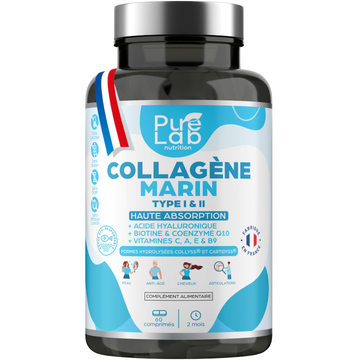
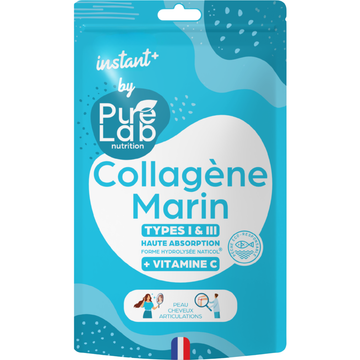
Hydrolyzed marine collagen comes in the form of peptides, which are small, pre-fragmented chains of amino acids. This form is designed to be easily digested, and there are no strict meal constraints. Many people incorporate it into a morning drink, while others prefer it in the evening: the important thing is consistency.
🧬 The role of associated Vitamin C
Vitamin C contributes to normal collagen formation, which allows for the normal functioning of skin, bones, and cartilage (claim authorized by Regulation (EU) No. 432/2012). Combining collagen and vitamin C in the same dose is therefore logical. A study conducted on adults also showed that vitamin C-enriched gelatin, consumed before physical activity, was associated with an increase in collagen synthesis markers (Shaw et al., 2017); these works are preliminary and do not constitute a promise of results.
To delve deeper into the subject of the ideal time, read our guide When to take collagen? and the one dedicated to the combination of collagen and vitamin C.
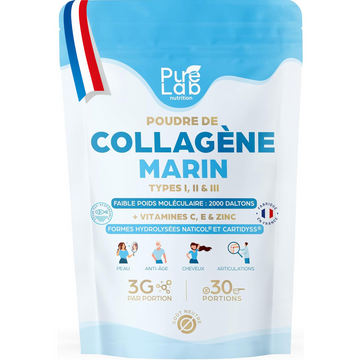
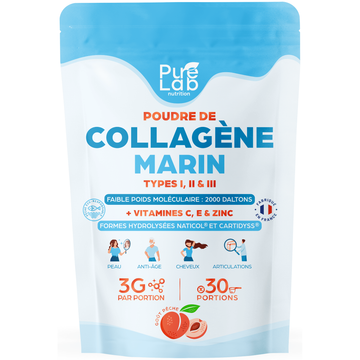
✅ Our marine collagen powder at Pure Lab Nutrition: a powder to dilute, combined with vitamin C, zinc bisglycinate, and vitamin E, easy to integrate into your morning or evening ritual.
👉 Discover our Marine Collagen Powder here.
🛡️ Zinc: prioritizing digestive comfort
Zinc contributes to the normal function of the immune system, the maintenance of normal skin, hair, and nails, and the protection of cells against oxidative stress (authorized claims). It is also a mineral that, when taken on an empty stomach, can sometimes cause nausea in sensitive individuals.
🧬 Food and zinc absorption
Phytates found in whole grains and legumes form complexes with zinc and can decrease its absorption (Lönnerdal, 2000). Tea and coffee, rich in polyphenols, can also interfere. Conversely, certain organic forms of zinc, such as bisglycinate, are known to be better tolerated digestively.
In practice, two strategies work:
- taking zinc during a light meal, low in fiber and without coffee or tea, if your stomach is sensitive;
- taking it away from heavy meals, if you tolerate it well, to limit interactions.
Avoid taking it at the same time as a high-dose iron or calcium supplement, as the minerals can compete during absorption. Our article Can you take several supplements at the same time? details these combinations, and Zinc: roles, daily needs, and signs of deficiency provides an overview of intake.
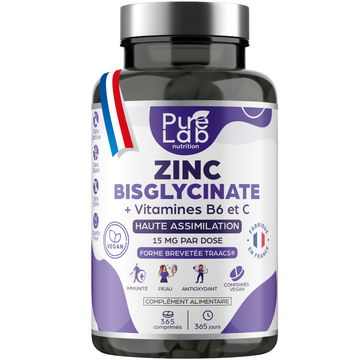
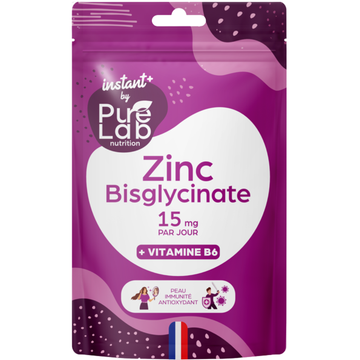
✅ Our Zinc Bisglycinate at Pure Lab Nutrition: 15 mg of zinc per tablet, in bisglycinate form, combined with vitamins B6 and C.
👉 Discover our Zinc Bisglycinate here.
🍊 Vitamin C: on an empty stomach or with a meal?
Vitamin C contributes to the normal function of the immune system, the reduction of fatigue, the protection of cells against oxidative stress, and the increase of non-heme iron absorption (authorized claims). For the latter reason, taking it during a meal containing plant-based foods rich in iron is a relevant habit.
🧬 Classic ascorbic acid or liposomal form
Classic ascorbic acid is acidic: on an empty stomach and at high doses, it can irritate the stomach for some people. Taking it during or just after a meal generally improves comfort. Encapsulated forms, such as liposomal vitamin C, are designed to offer better digestive comfort, which allows more flexibility with timing. If you are hesitating between the two, our comparison Classic or liposomal vitamin C will help you, as will the guide When and how to take vitamin C to get all the benefits.
As the body does not store vitamin C in large quantities, spreading the dose throughout the day (morning and lunch, for example) is a common approach.
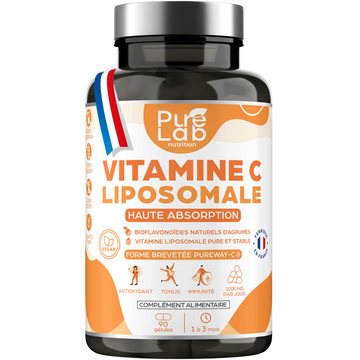
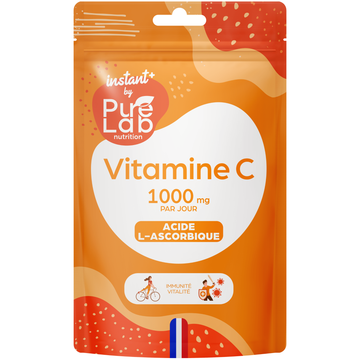
✅ Our Liposomal Vitamin C at Pure Lab Nutrition: 1000 mg per day in 3 capsules, or 1 capsule for a more moderate daily intake, in a formula designed for digestive comfort.
👉 Discover our Liposomal Vitamin C here.
🗓️ Building a sustainable routine
Here is an example of an organization, to be adapted to your daily life and the instructions on each package:
- Breakfast: vitamin C with the meal, collagen diluted in a drink.
- Lunch: zinc with a light meal, if your stomach is sensitive.
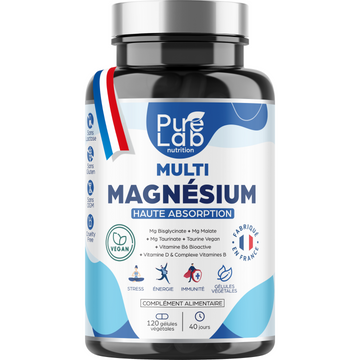
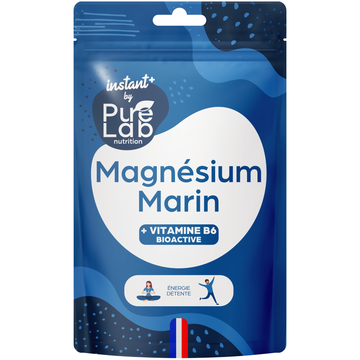
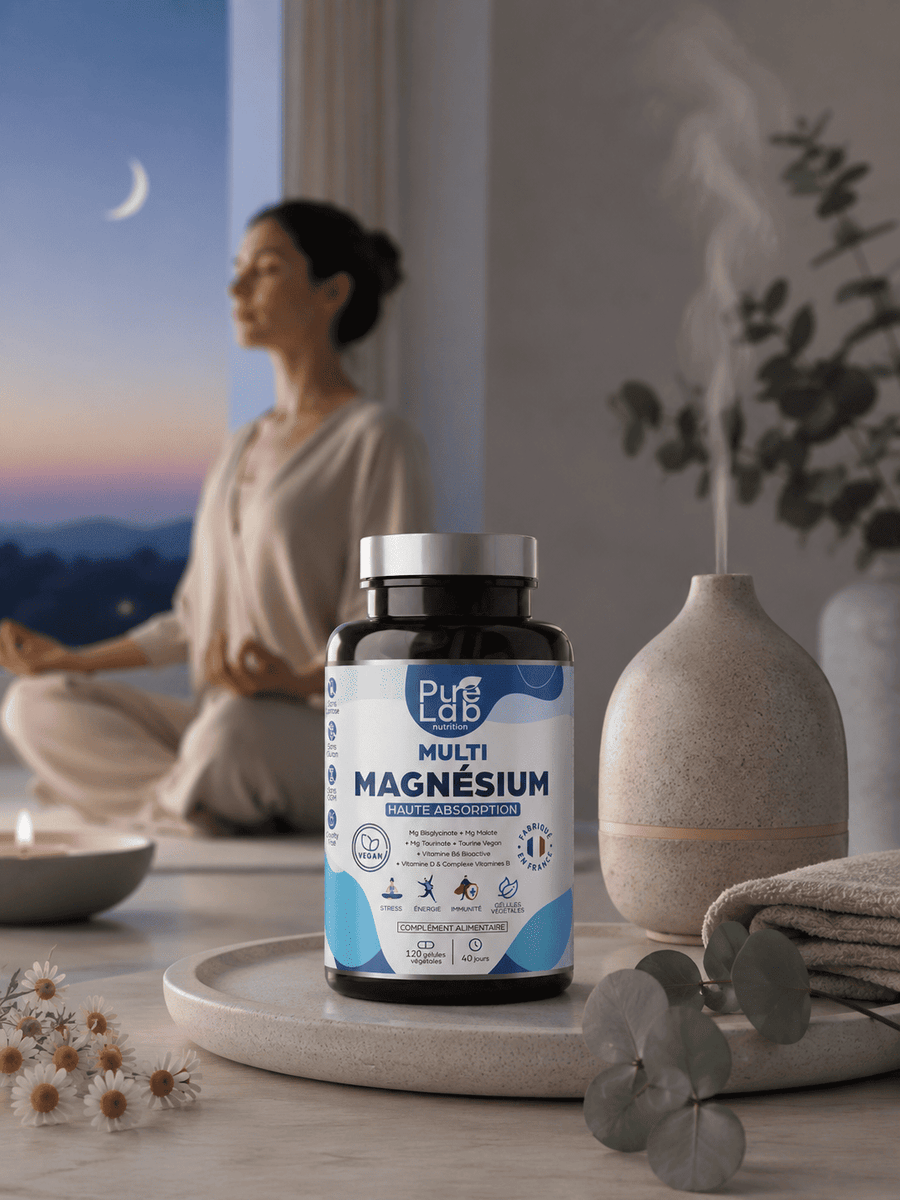
- Evening: magnesium, according to your preferences, away from other minerals.
🧬 Five simple habits
- Associate each intake with a daily action (coffee, brushing your teeth, meal).
- Introduce one new supplement at a time to identify tolerance.
- Respect the recommended dose: more is not better.
- Drink a large glass of water with capsules and tablets.
- If you are taking medication, are pregnant, or have a medical condition, seek advice from a healthcare professional.
Finally, remember that a dietary supplement is not a substitute for a varied and balanced diet or a healthy lifestyle.
✅ In summary
1️⃣ There is no universal perfect time: consistency matters more than the schedule.
2️⃣ Fat-soluble vitamins should be taken with a meal containing lipids; minerals require more attention to tolerance.
3️⃣ Collagen is flexible; zinc is better taken with a light meal; vitamin C is ideally spread out during meals.
4️⃣ Always respect the dosage on the label and seek advice in case of doubt.
Pure Lab Nutrition — The art of nourishing your well-being.
Scientific sources:
- Commission Regulation (EU) No 432/2012 of 16 May 2012 establishing a list of permitted health claims made on foods.
- EFSA Panel on Dietetic Products, Nutrition and Allergies (NDA). Scientific Opinion on Dietary Reference Values for vitamin C. EFSA Journal 2013;11(11):3418.
- EFSA Panel on Dietetic Products, Nutrition and Allergies (NDA). Scientific Opinion on Dietary Reference Values for zinc. EFSA Journal 2014;12(10):3844.
- Lönnerdal B. Dietary factors influencing zinc absorption. Journal of Nutrition 2000;130(5S Suppl):1378S-1383S.
- Shaw G, Lee-Barthel A, Ross ML, Wang B, Baar K. Vitamin C-enriched gelatin supplementation before intermittent activity augments collagen synthesis. American Journal of Clinical Nutrition 2017;105(1):136-143.


Restez informé 🌿
Recevez nos derniers articles et conseils santé directement dans votre boîte mail.