
























The 5 vitamins and minerals most often deficient in France
Fatigue, a dip in energy, recurring colds: we quickly think of a deficiency. But what do French data actually say? Between ANSES consumption studies, Santé publique France surveys, and European benchmarks, here are the five nutrients whose intake or status is most often insufficient.
📑 Summary
- Deficiency or insufficient intake: what are we talking about?
- 1. Vitamin D
- 2. Iron
- 3. Magnesium
- 4. Folates (vitamin B9)
- 5. Vitamin C, and profiles to watch (zinc, B12)
🔬 Deficiency or insufficient intake: what are we talking about?
The word "deficiency" is often used incorrectly. A proven deficiency is diagnosed through biological analysis and is sometimes accompanied by clinical symptoms. Insufficient intake, on the other hand, simply means that the diet does not, on average, meet estimated needs. The two situations should not be confused: one can have low intake for a long time without a biological deficiency, and vice versa.
📊 What are the sources of data in France?
Three main sources serve as references. The Individual National Study on Food Consumption (INCA 3), carried out by ANSES in 2014-2015 and published in 2017, describes what the French eat. The Esteban study by Santé publique France (2014-2016) monitors diet, body build, and physical activity. Finally, the National Nutrition and Health Study (ENNS, 2006-2007) included biological dosages, particularly for vitamin D.
A note of caution is necessary: these surveys represent population averages. They do not say what applies to you. Exact figures vary according to age, sex, and method, so we prefer to remain cautious rather than providing approximate percentages. To know your situation, only a check-up prescribed by a doctor is reliable.
🔬 1. Vitamin D
This is the most documented case. The ENNS showed that a significant proportion of French adults had blood levels of vitamin D below reference thresholds, with marked seasonal variations (Vernay et al., 2012). At the European level, the synthesis by Cashman et al. (2016) also concludes that there are frequent low levels.
☀️ Why is it so often low?
Vitamin D is mainly produced by the skin under the effect of UVB rays. At our latitudes, winter sunshine is not enough, and few foods contain significant amounts (fatty fish, eggs, some fortified products). The EFSA recommends an adequate intake of 15 µg (600 IU) per day for adults, in the absence of skin synthesis.
Vitamin D contributes to the normal absorption and utilization of calcium and phosphorus, the maintenance of normal bones and teeth, normal muscle function, and normal immune function. Supplementation must be discussed with a healthcare professional, as an excess of vitamin D is not trivial.
🔬 2. Iron
Iron is the mineral whose insufficiency is most common among women of childbearing age, a fact long described by work on iron deficiency in Europe (Hercberg et al., 2001). Requirements are about 16 mg per day before menopause compared to 11 mg for men, according to the 2015 European reference values.
🩸 Who is affected?
Women with heavy periods, teenagers, pregnant women, endurance athletes, and people whose diet contains little meat or animal products. Plant-based iron is less well absorbed than the heme iron found in meat.
Iron contributes to the normal formation of red blood cells and hemoglobin, normal oxygen transport, and the reduction of fatigue and tiredness. Be careful, however: do not supplement iron without a medical check-up. Ferritin levels are measured in a laboratory, and an excess of iron is just as problematic as a deficiency. Our article Persistent fatigue: which deficiencies to check? details the tests to consider with your doctor.
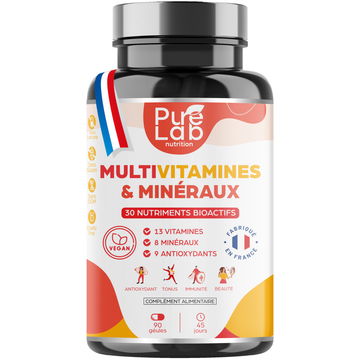
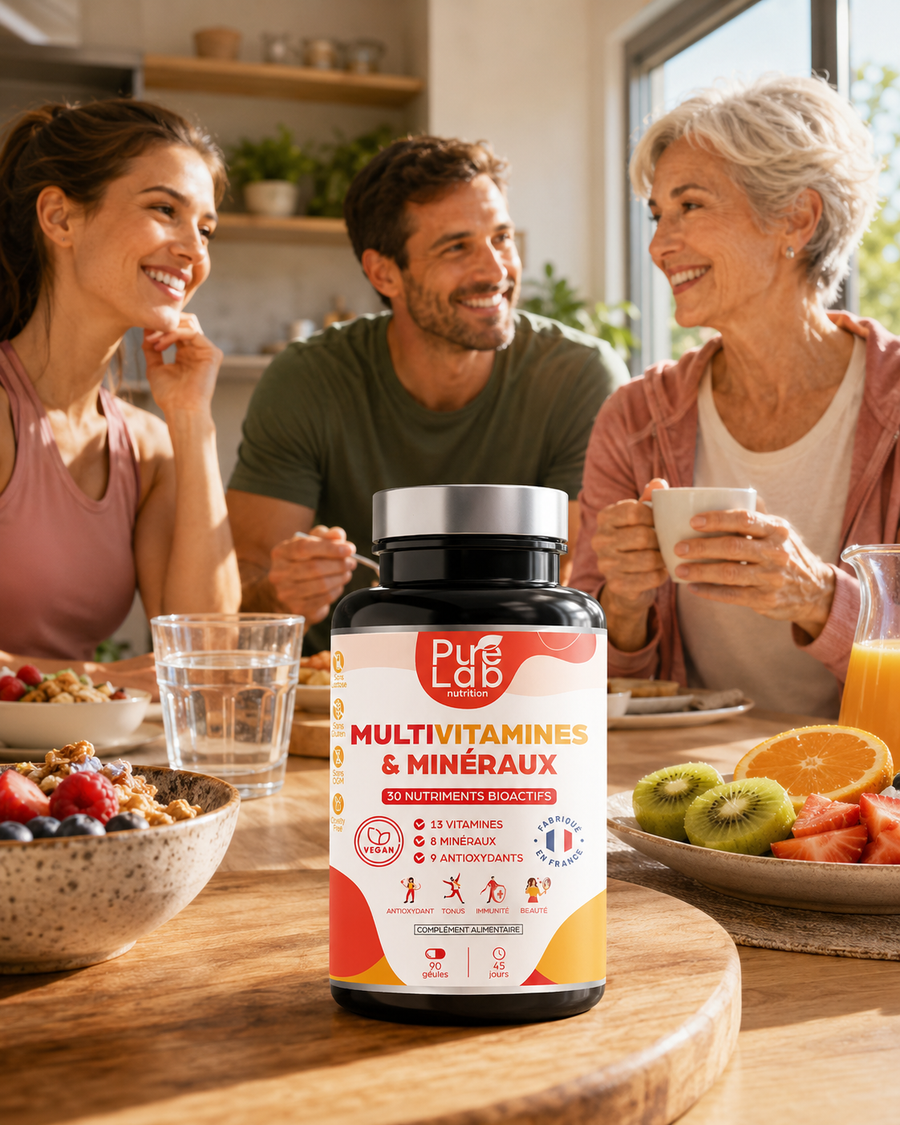
✅ Our Multivitamin & Minerals at Pure Lab Nutrition: a foundational vitamin and mineral supplement to support a varied diet.
👉 Discover our Multivitamin & Minerals here.
🔬 3. Magnesium
French consumption surveys, including INCA 3, regularly indicate that a significant portion of adults do not reach reference intakes for magnesium. In 2015, the EFSA set adequate intakes at about 350 mg per day for men and 300 mg for women.
🥬 A nutrient from raw food
Magnesium is found in green vegetables, oilseeds, legumes, whole grains, and some mineral waters. However, the modern diet, rich in refined products, provides little of it. Stress, heavy sweating, and certain medications can also influence the balance.
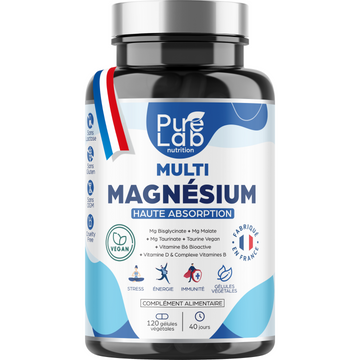
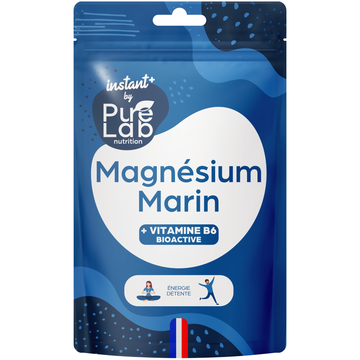
Magnesium contributes to reducing fatigue, electrolyte balance, normal energy metabolism, normal functioning of the nervous system and muscles, and normal psychological function. To learn more, read our article on magnesium deficiency, or discover our Multi Magnesium.
🔬 4. Folates (vitamin B9)
Folates are found in leafy vegetables, legumes, certain fruits, and liver. They are fragile: cooking and storage destroy part of them. The EFSA recommends a reference intake of 330 µg of dietary folate equivalents per day for adults, with a higher level during pregnancy (EFSA, 2014).
🤰 A specific issue for women
Folates contribute to the growth of maternal tissues during pregnancy, normal amino acid synthesis, normal blood formation, and the normal functioning of the immune system. This is why health authorities recommend that women planning a pregnancy inform themselves by speaking with a healthcare professional before conception. Doses and duration should be decided with them, without self-medication.
🔬 5. Vitamin C, and profiles to watch
Vitamin C is provided by raw fruits and vegetables, particularly citrus fruits, kiwis, peppers, and cruciferous vegetables. European benchmarks are about 110 mg per day for men and 95 mg for women. However, fruit and vegetable consumption often remains below the recommendations of the National Nutrition and Health Program, which suggests that some intake levels are tight, especially among young adults, isolated individuals, and smokers, whose needs are higher.
🍊 What vitamin C does
Vitamin C contributes to normal immune function, the protection of cells against oxidative stress, the reduction of fatigue and tiredness, normal collagen formation, and increased absorption of non-heme iron. Its sensitivity to heat and air explains why overcooked vegetables contain little of it. To delve deeper, read Vitamin C treatment: what you really need to know.
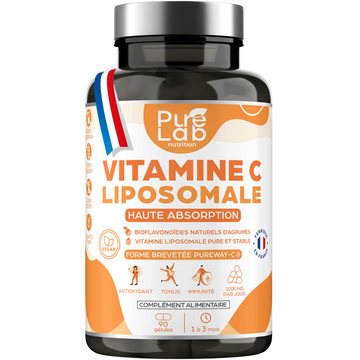
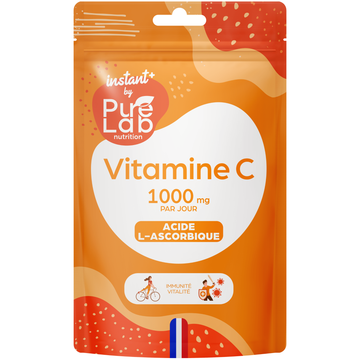
✅ Our Vitamin C (Instant+) at Pure Lab Nutrition: 1000 mg of vitamin C in a pocket format, convenient to take anywhere.
👉 Discover our Vitamin C (Instant+) here.
👀 What about zinc and B12?
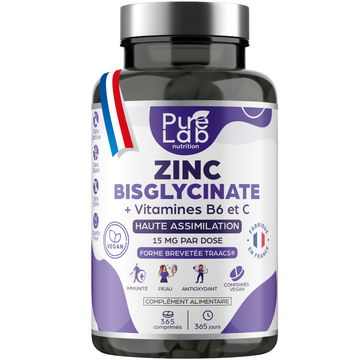
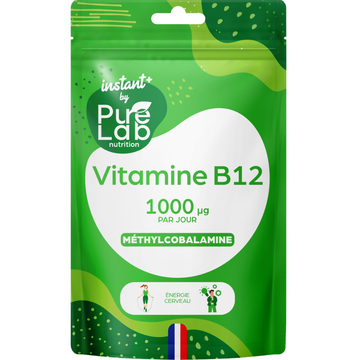
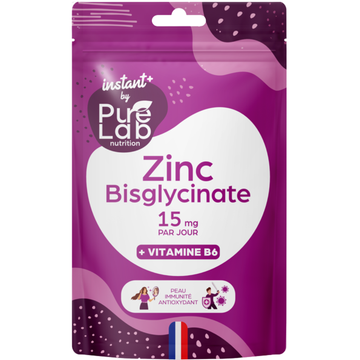
Two other nutrients deserve attention in specific situations. Zinc, whose absorption is reduced by phytates in whole grains and legumes, may be more adequately covered in people with a very plant-based diet or in athletes. It contributes to normal immune function and the maintenance of normal skin, hair, and nails. Discover our Zinc Bisglycinate and the article Zinc: roles, daily requirements, and signs of deficiency. Vitamin B12, meanwhile, is found almost exclusively in animal products: see Vegetarians and vegans: why vitamin B12 is essential.
🧭 What to do concretely?
Start with your plate: prioritize green vegetables, legumes, fresh fruits, fatty fish, and oilseeds. Then, check in with your doctor, who can prescribe a blood test (vitamin D, ferritin, blood count) if you feel persistent fatigue. A dietary supplement is a targeted aid, never a substitute for a varied diet and a healthy lifestyle. Follow the doses indicated on the packaging.
✅ In summary
1️⃣ Insufficient intake and proven deficiency are two different things: only a biological check-up can settle the matter.
2️⃣ Vitamin D, iron, magnesium, folates, and vitamin C are the five nutrients whose intake is most often below benchmarks.
3️⃣ Zinc and B12 deserve special attention for people on a plant-based diet.
4️⃣ The plate first, supplements second, and always with the advice of a healthcare professional if in doubt.
Pure Lab Nutrition — The art of nourishing your well-being.
Scientific sources:
- ANSES. Individual National Study on Food Consumption 3 (INCA 3). Collective expert report, June 2017.
- Vernay M, et al. Vitamin D status of the adult population in France: the National Nutrition and Health Study (ENNS, 2006-2007). Weekly Epidemiological Bulletin, 2012;(16-17):189-194.
- Hercberg S, Preziosi P, Galan P. Iron deficiency in Europe. Public Health Nutrition, 2001;4(2B):537-545.
- EFSA NDA Panel. Scientific Opinion on Dietary Reference Values for magnesium. EFSA Journal, 2015;13(7):4186.
- EFSA NDA Panel. Scientific Opinion on Dietary Reference Values for folate. EFSA Journal, 2014;12(11):3893.


Restez informé 🌿
Recevez nos derniers articles et conseils santé directement dans votre boîte mail.