
















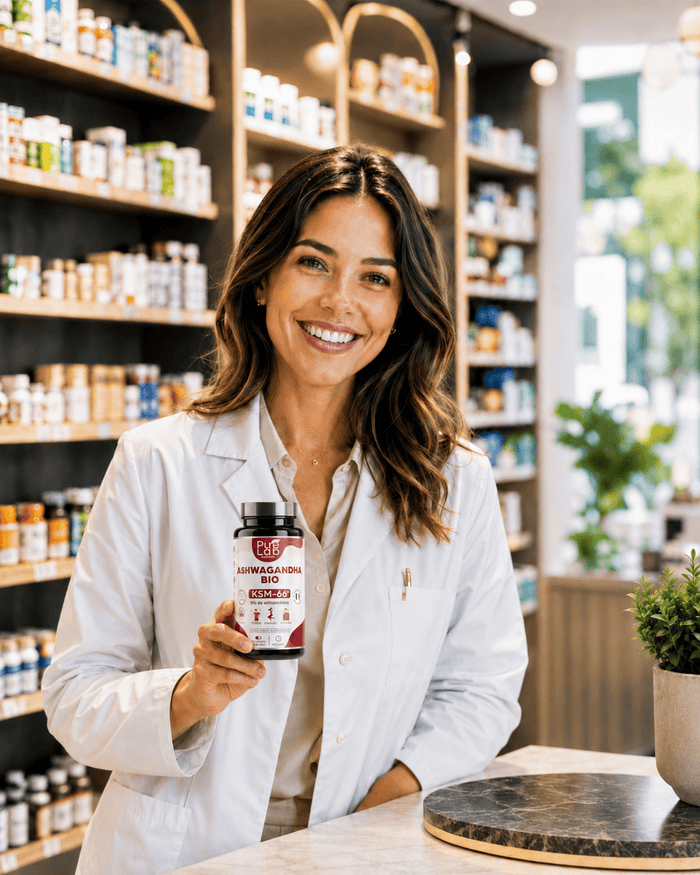


Food supplement or medication: what is the difference?
A capsule, a sachet, a bottle: on the shelf, food supplements and medicines often sit side by side, to the point of looking alike. Yet, they fall under two distinct legal realms, with very different objectives, controls, and promises. Here is how to tell them apart, without unnecessary jargon.
📑 Contents
- Two very distinct legal definitions
- The framework for food supplements
- Medicines and marketing authorization
- What each is allowed to claim
- Controls and vigilance after market launch
- Best practices for daily life
🔬 Two very distinct legal definitions
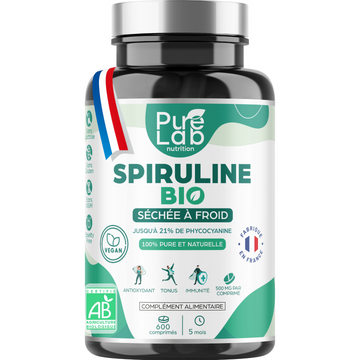
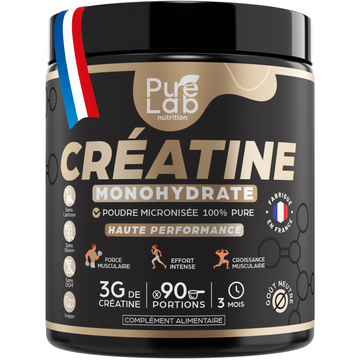
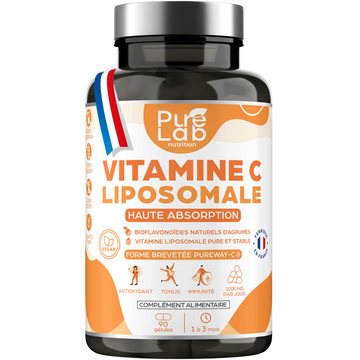
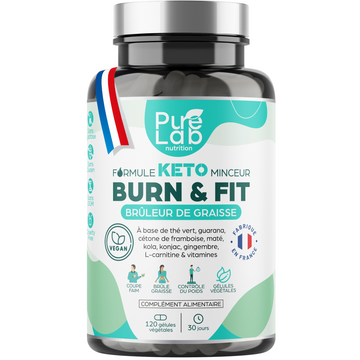
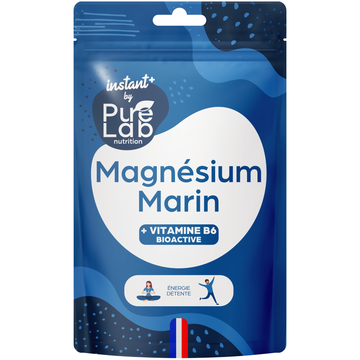
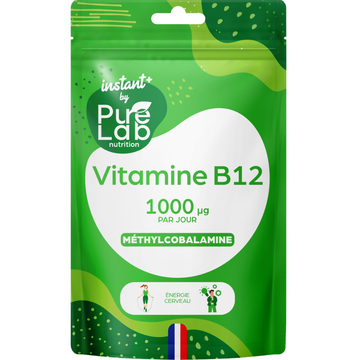
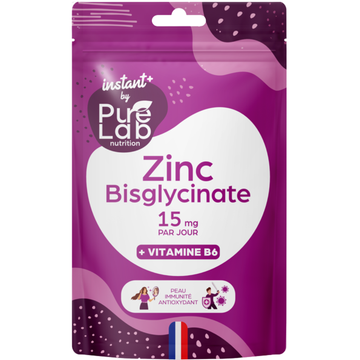
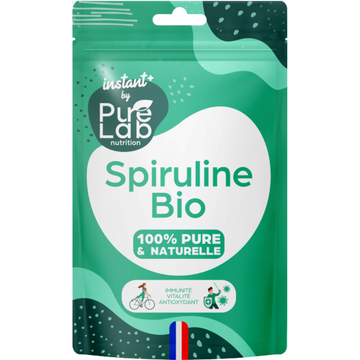
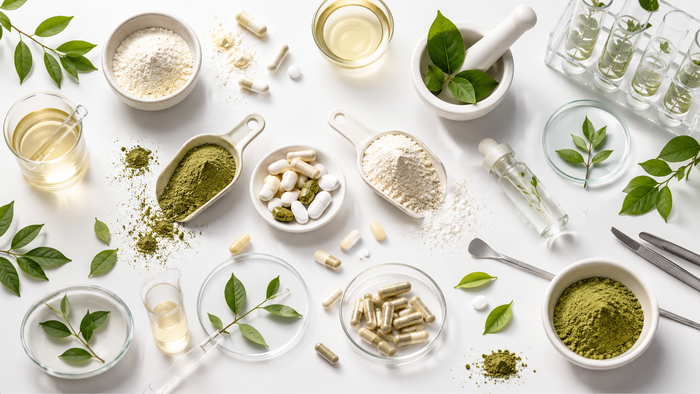
The first difference lies in the definition itself. A food supplement is a foodstuff. Directive 2002/46/EC of June 10, 2002, describes it as a foodstuff whose purpose is to supplement the normal diet and which constitutes a concentrated source of nutrients or other substances with a nutritional or physiological effect. It is marketed in dose form: capsules, tablets, powders, ampoules, or sachets.
A medicine, on the other hand, meets the definition set out in Article 1(2) of Directive 2001/83/EC, transposed in Article L. 5111-1 of the French Public Health Code. It consists of any substance or composition presented as having properties for treating or preventing disease in human beings, or which may be used or administered with a view to restoring, correcting, or modifying physiological functions by exerting a pharmacological, immunological, or metabolic action.
🧬 A "presentation" and "function" criterion
The law uses two pathways to classify a product as a medicine: its presentation (what it claims to do) and its function (what it actually does). A product presented as capable of acting on a disease is therefore considered a medicine, even if it is sold as a supplement. Conversely, a food supplement is not intended to exert a pharmacological action: its role is nutritional or physiological.
To learn more about the vocabulary used regarding these products, our glossary of food supplements is a good starting point.
🧪 The framework for food supplements
In France, food supplements are governed by Decree No. 2006-352 of March 20, 2006, which transposes Directive 2002/46/EC. They remain subject to general food law, notably Regulation (EC) No. 178/2002, which requires any food business operator to place only safe foodstuffs on the market.
There is no prior individual authorization for a food supplement. However, when a product is first placed on the French market, the responsible party must submit a declaration to the administration, the DGCCRF, via the dedicated online service. Furthermore, ingredients must comply with the lists and conditions of use provided by regulations, for example, the decree of May 9, 2006, regarding nutrients that may be used in the composition of supplements.
📦 Vitamins, minerals, and other substances
Directive 2002/46/EC harmonizes the rules for vitamins and minerals: the list of authorized forms, labeling, and the mention of the daily portion. For plants and other substances, national rules continue to apply in addition to European law, with lists of authorized plants and conditions of use.
Responsibility lies with the manufacturer or the party placing the product on the market: they must guarantee the product's safety, the compliance of its composition, and the truthfulness of its labeling. It is a system of ex post facto responsibility and control, rather than prior authorization for each product.
💊 Medicines and marketing authorization
Medicines follow the opposite logic. Before any commercialization, they must obtain a marketing authorization (MA), issued in France by the ANSM or, in the case of the centralized procedure, by the European Commission after assessment by the European Medicines Agency (EMA). The application dossier demonstrates the pharmaceutical quality, safety, and efficacy of the product for a specific indication, based on clinical trials.
Once authorized, the medicine is accompanied by a Summary of Product Characteristics (SPC) and a leaflet detailing the indication, dosage, contraindications, interactions, and side effects. Its manufacture is subject to good pharmaceutical manufacturing practices, and its distribution is most often reserved for pharmacies.
🔎 Why such a different framework?
A medicine aims to act on the body, sometimes powerfully, in individuals suffering from a pathology. The required level of evidence is therefore high. Food supplements are intended for healthy individuals to supplement a diet, using nutritional doses. The two regimes are not measured by the same standard, and that is precisely why their promises must not be confused.
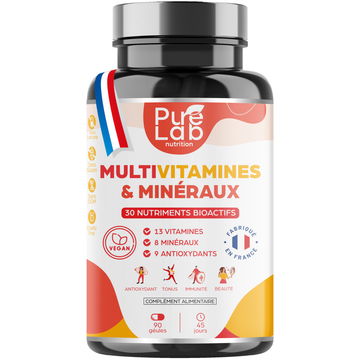
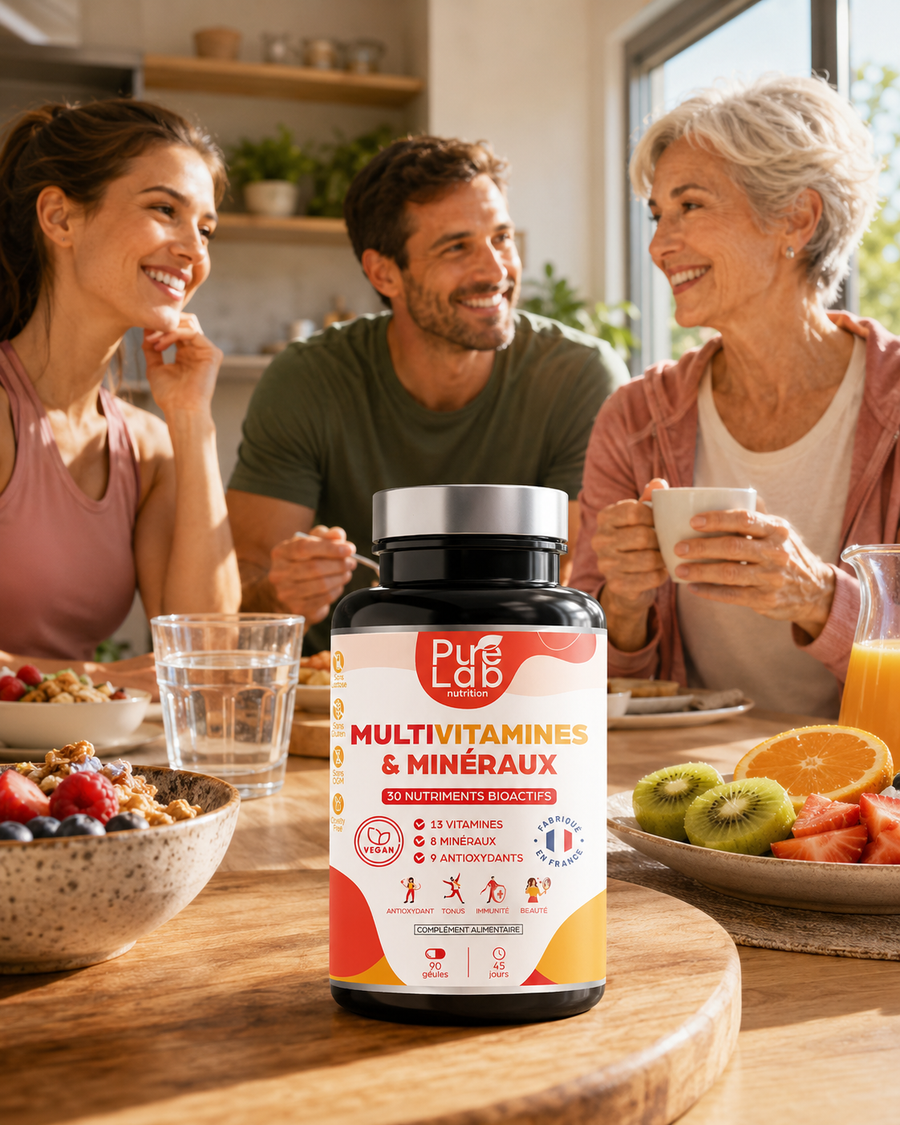
✅ Our Multivitamins & Minerals at Pure Lab Nutrition: a food supplement designed to complement a varied and balanced diet, never to replace it.
👉 Discover our Multivitamins & Minerals here.
📣 What each is allowed to claim
Claims constitute the most visible boundary between the two categories. A medicine may claim a therapeutic indication validated in its MA. A food supplement, however, cannot be assigned any therapeutic property: it is forbidden to imply that it can eliminate a disease.
Supplements may only use nutritional and health claims appearing on European lists, in compliance with Regulation (EC) No. 1924/2006 and Regulation (EU) No. 432/2012. Authorized wording is measured: it indicates, for example, that a nutrient "contributes" to the normal functioning of the body. We have dedicated a detailed article to this: how to read a food supplement label.
⚠️ The trap of over-promising
A product that promises to eliminate a pathology, replace a prescribed medicine, or act like a medicine on a condition does not respect the framework applicable to supplements. This type of claim should be a red flag: either the product is poorly presented, or it falls under the category of medicine and would require an MA.
🛡️ Controls and vigilance after market launch
Food supplements are monitored by the DGCCRF, which verifies their composition, labeling, and claims, and can order the withdrawal or recall of a non-compliant product. Under consumer law, misleading commercial practices are also sanctioned.
Regarding safety, the ANSES runs a "nutrivigilance" system: healthcare professionals and manufacturers can report adverse effects observed after the consumption of a supplement. For medicines, pharmacovigilance, coordinated by the ANSM, plays a comparable role, with mandatory reporting for healthcare professionals.
🤝 Supplements and medicines: not competitors
A food supplement is neither better nor worse than a medicine: it simply does not play the same role. It can support a diet, but it never replaces a medical prescription. If you are taking medication, talk to your doctor or pharmacist before starting a supplement routine. This issue is detailed in our article on taking several supplements at the same time.
🧭 Best practices for daily life
To navigate this, a few simple questions are enough. Does the product display the words "food supplement"? Does it indicate the daily portion not to be exceeded, as well as the warning that it should not replace a varied diet? Are the claims used measured, phrased as "contributes to"? Is the responsible party for the product clearly identified, with their contact details?
Also, beware of products sold without labeling in French, those whose composition is not detailed, or those that promise spectacular results. Finally, remember that a supplement is part of a global approach: diet, physical activity, sleep. If a symptom persists, the best course of action is always to consult a healthcare professional.
✅ In summary
1️⃣ A food supplement is a foodstuff (Directive 2002/46/EC, Decree No. 2006-352); a medicine falls under the Public Health Code and Directive 2001/83/EC.
2️⃣ A medicine requires an MA based on clinical trials; a supplement is subject to a declaration to the DGCCRF and ex post facto control.
3️⃣ A supplement can only claim authorized, measured health claims, with no therapeutic properties.
4️⃣ If you are taking medication or are in doubt, always ask your doctor or pharmacist for advice.
Pure Lab Nutrition — The art of nourishing your well-being.
Scientific sources:
- Directive 2002/46/EC of the European Parliament and of the Council of 10 June 2002 on the approximation of the laws of the Member States relating to food supplements (OJ L 183, 12.7.2002).
- Directive 2001/83/EC of 6 November 2001 on the Community code relating to medicinal products for human use, Article 1(2).
- Public Health Code, Article L. 5111-1 (definition of a medicine) – Légifrance.
- Decree No. 2006-352 of 20 March 2006 on food supplements – Légifrance.
- DGCCRF, practical guide "Food Supplements" – economie.gouv.fr/dgccrf.


Restez informé 🌿
Recevez nos derniers articles et conseils santé directement dans votre boîte mail.