





















Spring and supplements: taking stock after winter
The days are getting longer and the light is returning, but your energy hasn't always followed suit. After months of grey skies, sometimes repetitive meals, and days spent indoors, spring is the perfect time for an honest assessment. Here is how to take stock, without excess and without following fads.
📑 Summary
- Why spring is a pivotal moment
- Vitamin D: taking stock of the light
- Iron and vitamin C: monitoring your levels
- Multivitamins: a safety net
- Building a realistic spring supplement routine
- What supplements can never replace
🌱 Why spring is a pivotal moment
Winter quietly puts our bodies to the test. Less sun exposure, often reduced physical activity, and a diet that is richer but not always more varied are all factors that can take their toll. Emerging from the cold season, many people describe a bout of fatigue, a "flat battery" feeling, or a desire to reset everything.
This need for renewal is natural, but it deserves to be channeled. Rather than buying ten products at once, the smartest approach is to ask yourself three questions: what have I actually eaten over the last few months? How much light have I received? And which nutrients do I have reason to monitor given my lifestyle (vegetarian diet, intense sports, heavy periods, pregnancy, age)?
🧬 An assessment before a supplement routine
A spring supplement routine only makes sense if it addresses an identified need. If you are in doubt, a blood test prescribed by your doctor remains the gold standard: it allows you to objectively measure certain markers rather than guessing. Food supplements are intended to support a varied diet and a balanced lifestyle; they do not replace them.
☀️ Vitamin D: taking stock of the light
Vitamin D is a special case: our skin produces it upon contact with the sun's UVB rays, and food only covers a small portion of our intake. In mainland France, between October and March, sunshine is often insufficient for significant cutaneous production. In fact, European data show that low vitamin D concentrations are common in the population, particularly at the end of winter (Cashman et al., 2016).
In terms of regulation, vitamin D contributes to the normal absorption and utilization of calcium and phosphorus, to the maintenance of normal bones and teeth, to normal muscle function, and to the normal functioning of the immune system. These are fundamental roles, which explains why we focus on it at the end of winter.
🧬 Sun, diet, supplements: what is the right balance?
As soon as the weather is nice, fifteen to thirty minutes of reasonable exposure—with your forearms and face uncovered—several times a week contributes to boosting cutaneous synthesis, while still observing the usual precautions against sunburn. On the dietary side, fatty fish, eggs, and fortified products provide a supplement. If you are considering a vitamin D supplement, talk to a healthcare professional: the European Food Safety Authority (EFSA) has set a tolerable upper intake level of 100 µg per day for adults, which should not be exceeded (EFSA, 2012).
🩸 Iron and vitamin C: monitoring your levels
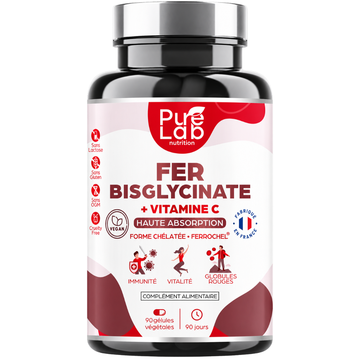
Iron is one of the nutrients most often mentioned when talking about fatigue. It contributes to the normal formation of red blood cells and hemoglobin, the normal transport of oxygen in the body, normal energy-yielding metabolism, the normal functioning of the immune system, normal cognitive function, and the reduction of tiredness and fatigue.
Certain situations increase requirements or reduce intake: heavy periods, pregnancy, endurance sports, vegetarian or vegan diets, and frequent blood donations. Iron deficiency is one of the most widespread nutritional problems in the world (Pasricha et al., 2021). But be careful: you shouldn't supplement iron "at random." An excess is not harmless, and fatigue can have many other origins. A ferritin level check, prescribed by a doctor, is the right first step.
🍊 The winning duo: plant-based iron and vitamin C
Vitamin C contributes to increasing the absorption of non-heme iron, the type found in plants. It is a well-described effect: combining a source of vitamin C with a meal containing plant-based iron (lentils, chickpeas, spinach) improves the absorption of the latter (Hallberg et al., 1986). A squeeze of lemon juice on lentils, a few raw bell peppers, or a kiwi for dessert are already sufficient. Conversely, tea and coffee consumed during meals can reduce this absorption: it is better to space them out by an hour or two.
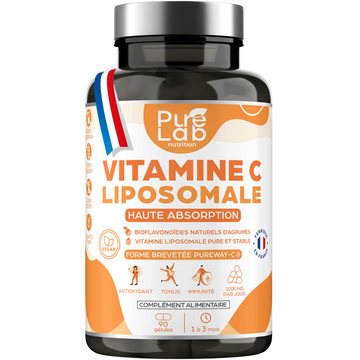
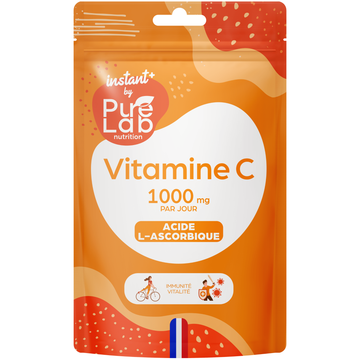
Vitamin C also contributes to the reduction of tiredness and fatigue, the normal functioning of the immune system, and the protection of cells from oxidative stress. Our guide on when to take vitamin C details how to integrate it into your routine.
🌈 Multivitamins: a safety net
If your diet has been irregular this winter, a multivitamin can act as a safety net. The idea is not to compensate for poor lifestyle habits, but to cover the small daily gaps: meals eaten on the go, a limited variety of fruits and vegetables, or periods of stress or heavy workload.
Several vitamins and minerals present in this type of formula have authorized health claims: vitamin C and iron contribute to the reduction of tiredness and fatigue, zinc contributes to the normal functioning of the immune system, magnesium contributes to the reduction of tiredness and fatigue, and B vitamins contribute to normal energy-yielding metabolism. To choose the right formula and know when to take it, check out our article Should you take a multivitamin? A guide to making the right choice as well as Multivitamins: when and how to take them?.
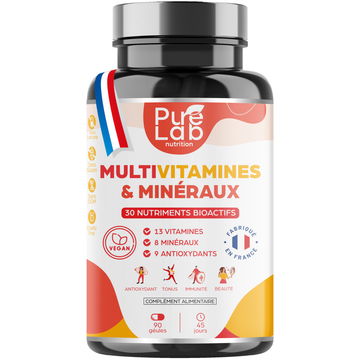
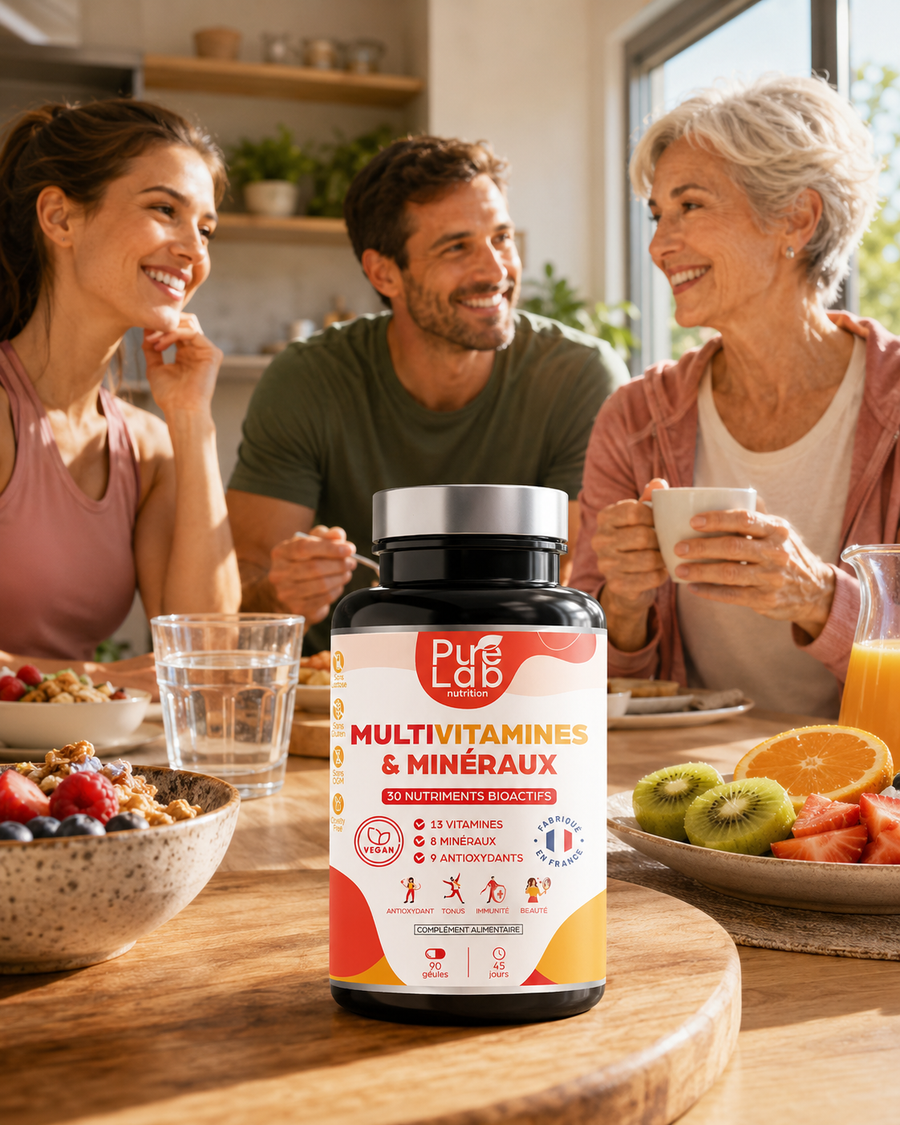
✅ Our Multivitamins & Minerals from Pure Lab Nutrition: a vegan formula of 30 bioactive nutrients, designed to support your daily energy and immunity.
👉 Discover our Multivitamins & Minerals here.
🗓️ Building a realistic spring supplement routine
A good spring routine is based on a few simple principles, which can also be found in our article New Year's resolutions: how to start a supplement routine properly.
📌 The four golden rules
- Start small: one or two targeted products are better than a cupboard full. Introduce them one by one to spot any potential reactions.
- Respect the doses: the dose indicated on the packaging is a ceiling, not a starting point to double. More is not better.
- Set a duration: four to eight weeks, then a follow-up. To know when to expect results, read How long does it take to see the effects of a supplement?
- Ask for advice: current treatment, pregnancy, breastfeeding, chronic illness: a doctor's or pharmacist's opinion is essential before starting any routine.
🔄 Make the connection with the winter that has just passed
If you made it through the winter with marked fatigue, reread our article on winter fatigue and which supplements to prioritize: it will help you understand what you might have been missing and how to adjust your approach for the months to come.
🥗 What supplements can never replace
No supplement can make up for a lack of sleep, a sedentary lifestyle, or an unbalanced diet. Spring actually offers valuable, free levers: go for a walk every day, enjoy the natural morning light, put seasonal vegetables back on the menu (asparagus, radishes, peas, strawberries), stay properly hydrated, and get back to a regular sleep schedule.
Food supplements are there to support this dynamic, not to replace it. Think of them as occasional support, adapted to your situation and regularly reassessed.
⚠️ When to consult?
Fatigue that persists despite a healthy lifestyle, unusual shortness of breath, marked paleness, dizziness, or unexplained weight loss cannot be fixed with a supplement routine: these warrant a medical consultation.
✅ In summary
1️⃣ Spring is a good time to take stock of the winter, preferably with the help of a healthcare professional.
2️⃣ Vitamin D, iron, and vitamin C are the nutrients most often mentioned, with recognized roles in energy, immunity, and bone health.
3️⃣ A multivitamin can serve as a safety net in case of an irregular diet, without ever replacing a varied plate of food.
4️⃣ An effective routine is short, targeted, well-dosed, and reassessed after a few weeks.
Pure Lab Nutrition — The art of nourishing your well-being.
Scientific sources:
- Cashman KD, et al. Vitamin D deficiency in Europe: pandemic? American Journal of Clinical Nutrition. 2016;103(4):1033-1044.
- Pasricha SR, Tye-Din J, Muckenthaler MU, Swinkels DW. Iron deficiency. The Lancet. 2021;397(10270):233-248.
- Hallberg L, Brune M, Rossander L. Effect of ascorbic acid on iron absorption from different types of meals. Human Nutrition: Applied Nutrition. 1986;40(2):97-113.
- EFSA Panel on Dietetic Products, Nutrition and Allergies (NDA). Scientific Opinion on the Tolerable Upper Intake Level of vitamin D. EFSA Journal. 2012;10(7):2813.


Restez informé 🌿
Recevez nos derniers articles et conseils santé directement dans votre boîte mail.