































New Year's resolutions: getting off to a good start with a supplement regimen in January
January is the month for New Year's resolutions: sleeping better, having more energy, and taking care of yourself. It's also a time when people often feel the urge to start a supplement regimen. It’s a great idea, provided you don't take everything at once!
At Pure Lab Nutrition, we believe in a well-chosen regimen over a cupboard full of products. Here is our 5-step method for getting started the right way, complete with concrete examples, mistakes to avoid, and answers to your burning questions.
📑 Table of Contents
- Step 1: Define a clear goal
- Step 2: Look at your plate first
- Step 3: Choose one or two supplements
- Step 4: Anchor your intake in a routine
- Step 5: Review your progress
- Three examples of January regimens
- Common mistakes
- Precautions
- Frequently Asked Questions
- Summary
Step 1: Define a clear goal
“Feeling better” is too vague. Ask yourself: what is the priority I want to improve? A precise goal helps you choose the right product, but also helps you honestly evaluate the results at the end of the cycle.
| Your goal | Potential options |
|---|---|
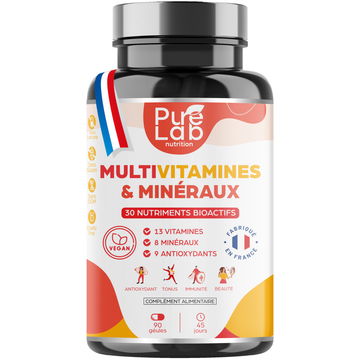
| Less fatigue | Magnesium, Vitamin B12, multivitamins |
| Better stress management | Magnesium, Ashwagandha |
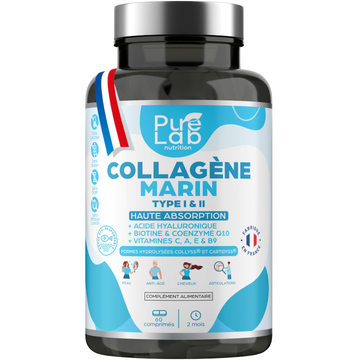
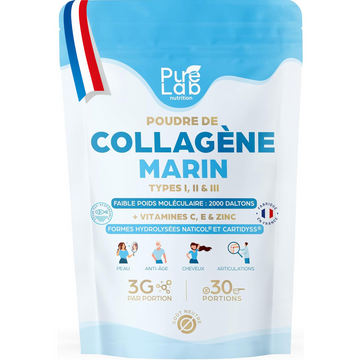
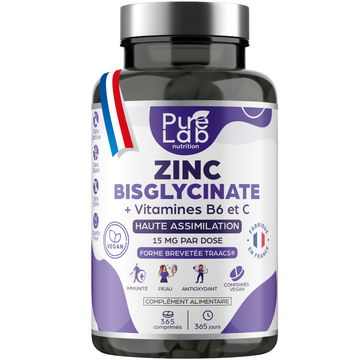
| Skin, hair, nails | Collagen + Vitamin C, zinc, biotin |
| Sports and performance | Creatine |
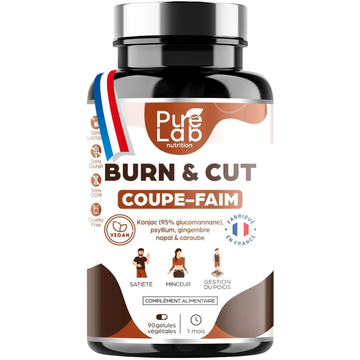
| Weight management | Appetite-suppressing fibers, as part of a balanced diet |
A tip: formulate your goal as a sentence you can verify in six weeks, for example, “feeling less wiped out at the end of the day” or “keeping up with my three weekly workouts.”
Step 2: Look at your plate first
A food supplement, as its name suggests, complements a varied diet; it does not replace it. This is a mandatory label statement. Before choosing, ask yourself what is truly missing: not enough fish? Few fruits and vegetables? No animal products?
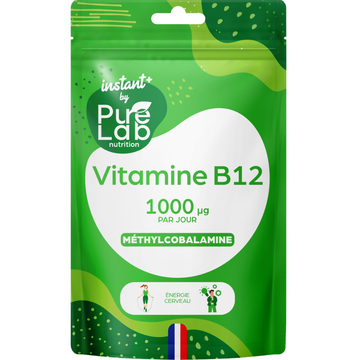
Keep a food journal for a few days to see what you actually eat. You will quickly see if certain food groups are missing. For example, someone who never eats animal products will need to secure their Vitamin B12 intake, whereas someone who rarely eats oily fish might think about Vitamin D in winter.
Step 3: Choose one or two supplements
It is tempting to start everything at once. This is a bad idea: you won't know what is actually working, and you risk overdosing on the same nutrients across multiple products. Start with one or two supplements maximum, tailored to your specific goal.
🔎 Read the label
The DGCCRF (French consumer protection agency) specifies the information that must appear on a supplement: the recommended daily dose, a warning not to exceed it, the statement that the product does not replace a varied diet, and the recommendation to keep it out of the reach of young children. Take two minutes to read these before opening the box. To learn more, read How to read a food supplement label.
To know what can be combined, read Can you take several supplements at the same time?
Step 4: Anchor your intake in a routine
Consistency matters more than anything. A few tips:
✅ Link taking it to a fixed time: breakfast, lunch, or dinner
✅ Keep your supplements visible, but out of reach of children
✅ Take them with you: Instant+ pocket-sized sachets fit easily into a bag or pocket
✅ Note your start date in your calendar
✅ Set a reminder on your phone for the first two weeks until the habit sticks
Step 5: Review your progress
Most regimens last from a few weeks to three months. At the end, take stock: do you feel better? Has your goal evolved? Take a break before restarting if necessary. To know when to expect results, read How long does it take to see the effects of a supplement?
Keep in mind that other January changes (more sleep, getting back into sports, less alcohol after the holidays) also affect how you feel. That's good news: these are often the factors that make the biggest difference.
Three examples of January regimens
⚡ Camille wants to regain energy
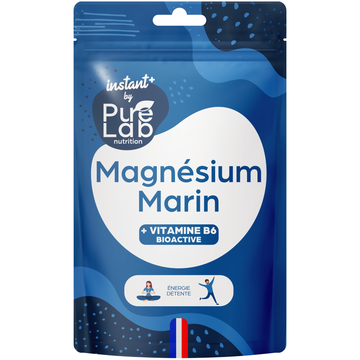
After a busy holiday season, Camille feels tired. She chooses magnesium, which helps reduce fatigue, and sets three rules for herself: in bed before 11 PM, a twenty-minute walk a day, and a real breakfast. Progress review scheduled for the end of February.
🏋️ Hugo gets back into weight training
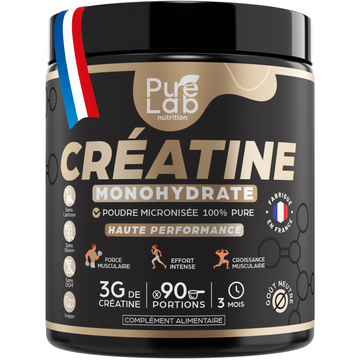
Hugo joined a gym and works out three times a week. He starts taking creatine: at 3g per day, it increases physical performance during repeated, short-duration, high-intensity exercises. He takes nothing else to start. Read Creatine monohydrate: optimize your performance.
✨ Léa wants to take care of her skin
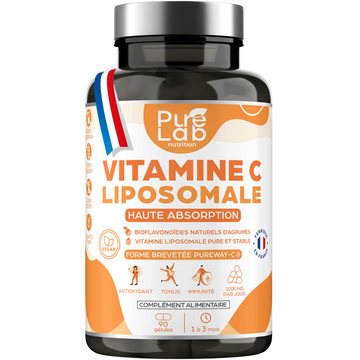
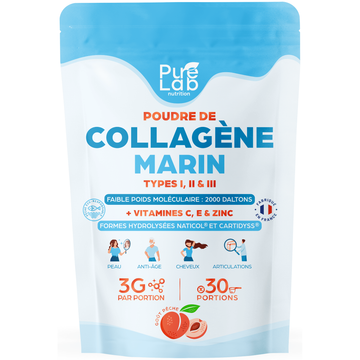
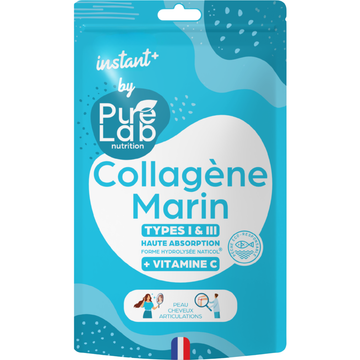
Léa chooses marine collagen, combined with Vitamin C, which contributes to normal collagen formation for the normal function of the skin. She follows her regimen for two months before evaluating the results.
Common mistakes
❌ Buying five products at once in a fit of enthusiasm
❌ Doubling the dose to “get results faster”
❌ Stopping after one week because of no visible result
❌ Forgetting to check interactions when on medication
❌ Never taking a break or reviewing progress
Precautions
The DGCCRF reminds us that food supplements are not trivial:
- Follow the usage conditions indicated on the label
- Be careful with cumulative intake and interactions, especially with medication
- Ask a healthcare professional for advice if you are pregnant or breastfeeding, if you are under medical treatment, or for a child or adolescent
Frequently Asked Questions
❓ Do I have to start in January?
No. January is a good symbolic time, but a regimen can start at any time, as soon as you have a clear goal.
❓ Morning or evening?
It depends on the supplement. Follow the label and choose a time you won't forget. The most important factor remains consistency.
❓ Can I do two regimens back-to-back?
Yes, provided you review the first one and, in most cases, take a break between the two.
❓ Should I consult someone before starting?
It is recommended if you are on medication, pregnant, breastfeeding, or for a child or adolescent.
Summary
1️⃣ A clear goal before choosing
2️⃣ One or two supplements, no more to start, after reading the label
3️⃣ Regular intake, tied to a fixed time
4️⃣ A review at the end of the regimen, followed by a break
Pure Lab Nutrition ... The art of nourishing your well-being.
Sources:
- DGCCRF. Labeling, presentation, and advertising of food supplements: the rules to know. economie.gouv.fr
- Regulation (EU) No 432/2012 regarding authorized health claims. EUR-Lex
- Kreider R.B. et al. (2017). International Society of Sports Nutrition position stand: safety and efficacy of creatine supplementation in exercise, sport, and medicine. Journal of the International Society of Sports Nutrition, 14:18. JISSN


Restez informé 🌿
Recevez nos derniers articles et conseils santé directement dans votre boîte mail.