



















Healing and skin: the role of nutrients in skin repair
The skin is constantly repairing itself, and even more so after a cut, a minor burn, or a procedure. This complex process mobilizes energy, proteins, and several micronutrients. Here is what sources say about wound healing, skin, and nutrients, without making excessive promises.
📑 Summary
- The main stages of wound healing
- Vitamin C and collagen
- Zinc: proteins, cells, and skin
- Dietary collagen: what we know
- Proteins, energy, and other factors
- Seeking the right support
🔬 The main stages of wound healing
Wound healing occurs in overlapping phases: hemostasis (stopping the bleeding), inflammation, proliferation (formation of new tissue), and finally remodeling, which can last several months. A review by Brown and Phillips (2010) notes that nutritional status influences these stages, particularly the intake of proteins, energy, and certain micronutrients.
🧬 A principle of caution
Nutrients support the body's normal processes, but they do not replace appropriate wound care. A wound that does not heal, becomes red, painful, or oozes must be examined by a healthcare professional. Dietary supplements do not replace proper wound management.
🔬 Vitamin C and collagen
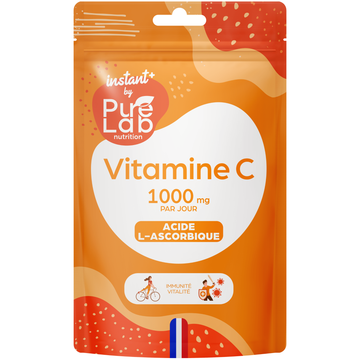
Collagen is the main structural protein of the dermis. Its production by the body requires vitamin C. Pullar, Carr, and Vissers (2017) describe in the journal Nutrients the role of this vitamin in the skin: it is involved in collagen synthesis and accumulates in the epidermis and dermis.
🧬 Authorized claims
In accordance with Regulation (EU) No 432/2012, vitamin C contributes to normal collagen formation for the normal function of blood vessels, bones, cartilage, gums, skin, and teeth. It also contributes to the protection of cells from oxidative stress and to the reduction of fatigue. These formulations refer to normal function, not accelerated wound repair. Citrus fruits, kiwis, peppers, and parsley are excellent dietary sources. Read also Collagen and vitamin C: why combine them?.
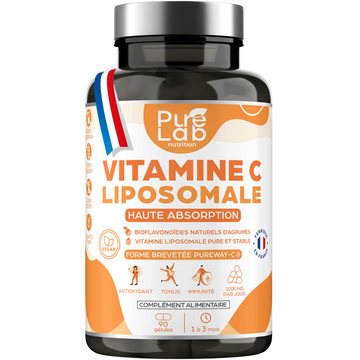
✅ Our Liposomal Vitamin C at Pure Lab Nutrition: a vitamin C in liposomal formulation, which contributes to normal collagen formation.
👉 Discover our Liposomal Vitamin C here.
🔬 Zinc: proteins, cells, and skin
Zinc is a trace element present in significant quantities in the skin. Lansdown et al. (2007) published a detailed review on zinc in wound healing, which discusses its experimental and clinical roles. The authors emphasize above all that zinc deficiency is associated with delayed healing, and that supplementation is most relevant when a deficiency exists.
🧬 Authorized claims
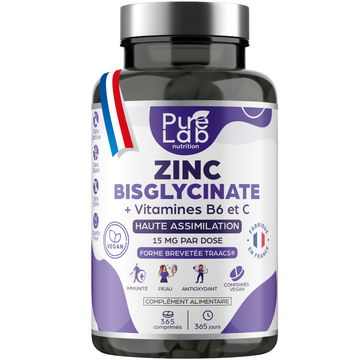
Regulation (EU) No 432/2012 authorizes the following claims: zinc contributes to the maintenance of normal skin, normal DNA synthesis and cell division, normal protein synthesis, and the normal function of the immune system. These formulations describe normal functions, and we do not claim that a zinc supplement improves healing in a person without a deficiency. To learn more: The benefits of zinc for skin and hair.
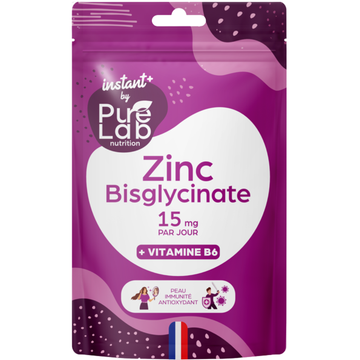
✅ Our Zinc Bisglycinate at Pure Lab Nutrition: a well-tolerated form of zinc that contributes to the maintenance of normal skin.
👉 Discover our Zinc Bisglycinate here.
🔬 Dietary collagen: what we know
Collagen peptides are digested and then absorbed in the form of peptides and amino acids. Bolke et al. (2019) reported, in a randomized, placebo-controlled trial with a collagen-containing supplement, variations in skin hydration, elasticity, and density in women. Proksch et al. (2014) had observed effects on the dermal matrix with specific peptides. These studies focus on healthy skin and skin aging, not on wound healing.
🧬 A clear regulatory status
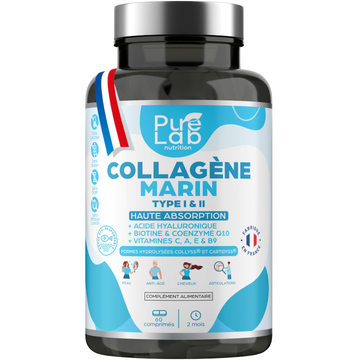
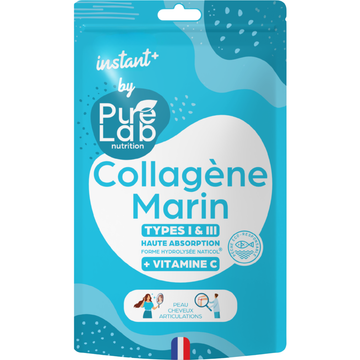
No health claim is authorized in the European Union for collagen. We therefore present it as a source of protein that can be incorporated into a varied dietary routine. Our article Beauty routine from within: skin, hair, and nails explains how to combine it with other habits.
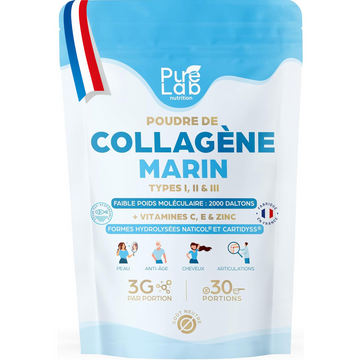
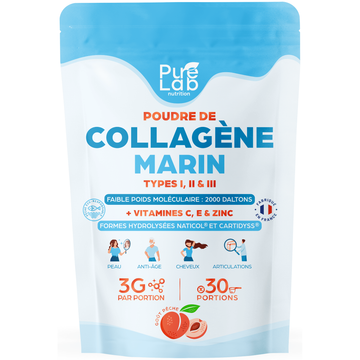
✅ Our Marine Collagen at Pure Lab Nutrition: a marine collagen powder, easy to mix into a drink.
👉 Discover our Marine Collagen (powder) here.
🔬 Proteins, energy, and other factors
Rebuilding tissue requires raw material: sufficient amounts of protein, energy, and water. A diet that is too restrictive can slow down normal repair processes. Brown and Phillips (2010) emphasize that undernutrition is a well-identified risk factor.
🧬 Lifestyle factors
Smoking, poorly controlled blood sugar, lack of sleep, and sun exposure to a recent scar influence the quality of repair. Protecting a recent scar from the sun with broad-spectrum sunscreen is a simple and useful step, to be validated with your doctor or dermatologist.
🔬 Seeking the right support
If you have a chronic wound, diabetes, are on anticoagulant treatment, or have a scheduled procedure, seek medical advice before adding a supplement, especially in the case of high-dose vitamin C or zinc.
🧬 Reasoned intake
Aim for reference intakes rather than high doses. Excessive long-term zinc intake can interfere with copper absorption. Dietary supplements should not replace a varied and balanced diet or a healthy lifestyle, and the recommended daily dose should not be exceeded.
🧬 Patience
The maturation of a scar takes months. To understand the usual timeframes for a routine, see How long does it take to see the effects of a supplement?.
✅ In summary
1️⃣ Healing depends primarily on wound care, diet, and lifestyle.
2️⃣ Vitamin C contributes to normal collagen formation, particularly for the normal function of the skin.
3️⃣ Zinc contributes to the maintenance of normal skin, protein synthesis, and cell division.
4️⃣ Collagen has no authorized claims: it is part of a comprehensive routine, with medical advice if a wound is present.
Pure Lab Nutrition — The art of nourishing your well-being.
Scientific sources:
- Pullar JM, Carr AC, Vissers MCM. The roles of vitamin C in skin health. Nutrients. 2017;9(8):866.
- Lansdown ABG, Mirastschijski U, Stubbs N, Scanlon E, Ågren MS. Zinc in wound healing: theoretical, experimental, and clinical aspects. Wound Repair Regen. 2007;15(1):2-16.
- Brown KL, Phillips TJ. Nutrition and wound healing. Clin Dermatol. 2010;28(4):432-439.
- Bolke L, Schlippe G, Gerss J, Voss W. A collagen supplement improves skin hydration, elasticity, roughness, and density. Nutrients. 2019;11(10):2494.
- Proksch E, et al. Oral intake of specific bioactive collagen peptides reduces skin wrinkles and increases dermal matrix synthesis. Skin Pharmacol Physiol. 2014;27(3):113-119.


Restez informé 🌿
Recevez nos derniers articles et conseils santé directement dans votre boîte mail.


