
























Which supplements are best for effective muscle gain?
You are training hard, you are eating more… but the results are slow to come? A successful bulking phase is built on three pillars: training, nutrition, and recovery. Supplements come next, to optimize what is already in place, never to replace it.
At Pure Lab Nutrition, we prefer to guide you toward what is proven to work. Here are the foundations of a bulking phase, how to calculate your protein needs, the supplements that can truly help you, and the mistakes that hinder progress.
📑 Contents
- The foundations of a successful bulking phase
- How muscle is built
- Protein: how much do you need?
- Creatine: the most well-studied supplement
- Supportive supplements
- Supplements to approach with caution
- Adapting to your profile
- A typical routine
- Tracking your progress
- Common mistakes
- Frequently asked questions
- In summary
The foundations of a successful bulking phase
- Progressive training: gradually increasing weight or repetitions
- A slight caloric surplus: eating a little more than you burn, without excess, to limit fat gain
- Sufficient protein, spread throughout the day
- Sleep: it is during rest that muscle rebuilds itself
If one of these pillars is missing, no supplement will compensate. Conversely, when they are in place, a few well-chosen supplements can make a difference in the long run.
How muscle is built
Gaining muscle is a balance between construction and degradation. The body is constantly producing new muscle proteins and breaking down old ones. Resistance training acts as a signal: it pushes the muscle to adapt in order to better handle the next effort. Dietary protein provides the amino acids necessary for this adaptation, and rest provides the time for reconstruction.
In concrete terms, muscle mass increases when, week after week, construction outweighs degradation. This is why consistency matters more than the intensity of an isolated session: a program followed for months, with progressive loads, sufficient nutrition, and proper sleep, produces more results than a succession of exhausting sessions followed by long breaks.
Protein: how much do you need?
According to the official position of the International Society of Sports Nutrition (ISSN, 2017), an intake of approximately 1.4 to 2.0 g of protein per kilo of body weight per day is sufficient for most people training to build or maintain muscle mass.
- Per meal: approximately 20 to 40 g of quality protein
- Distribution: every 3 to 4 hours approximately
- Sources: meat, fish, eggs, dairy products, legumes, tofu
🧮 A calculation example
For a 70 kg person, the ISSN range corresponds to approximately 98 to 140 g of protein per day. Distributed over four meals or snacks, this represents 25 to 35 g per serving, which remains within the range recommended per meal.
Food often makes it possible to reach these intakes. Protein powder can be helpful if you struggle to reach them, for example after training or at breakfast.
Creatine: the most well-studied supplement
Creatine monohydrate is one of the most studied supplements in sports nutrition. In its 2017 position, the ISSN relied on more than 200 studies and concluded that creatine monohydrate does not have a clinically significant adverse effect, and that there is no convincing evidence of a harmful effect on the kidneys in healthy individuals.
In 2021, a group of experts gathered around Jose Antonio reviewed the most frequent questions about creatine. They pointed out that it has been the subject of more than 500 publications and that it is generally well tolerated, particularly at commonly recommended intakes of approximately 3 to 5 g per day.
✅ What it does
Creatine increases physical performance during repeated short-duration, high-intensity exercises: this is a health claim officially authorized in Europe for an intake of 3 g per day. This is exactly the type of effort involved in weight training.
🔋 Why it works
During a very brief and intense effort, such as a set of squats, the muscle draws on a small supply of immediately available energy, phosphocreatine. This supply is exhausted in a few seconds. Supplementing with creatine allows you to increase this stock in the muscle, which helps maintain intensity across successive repetitions and sets.
⏳ With or without a loading phase?
The ISSN position describes two approaches. The loading phase involves taking approximately 5 g of creatine monohydrate four times a day for 5 to 7 days, to rapidly saturate muscle stores. The alternative is to take 3 g per day for 28 days: stores then increase more gradually. Once stores are saturated, they can generally be maintained with 3 to 5 g per day. Without a loading phase, you simply need a little more patience.
📐 How to take it
We have dedicated a complete article to dosage: Creatine 3 g or 5 g: why studies recommend the minimum effective dosage. And to understand its effects, read Creatine monohydrate: optimize your performance.
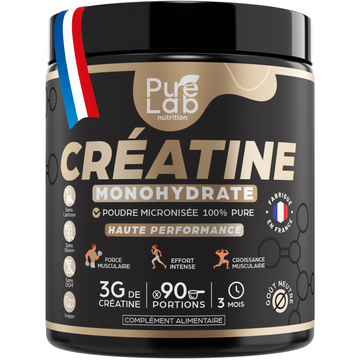
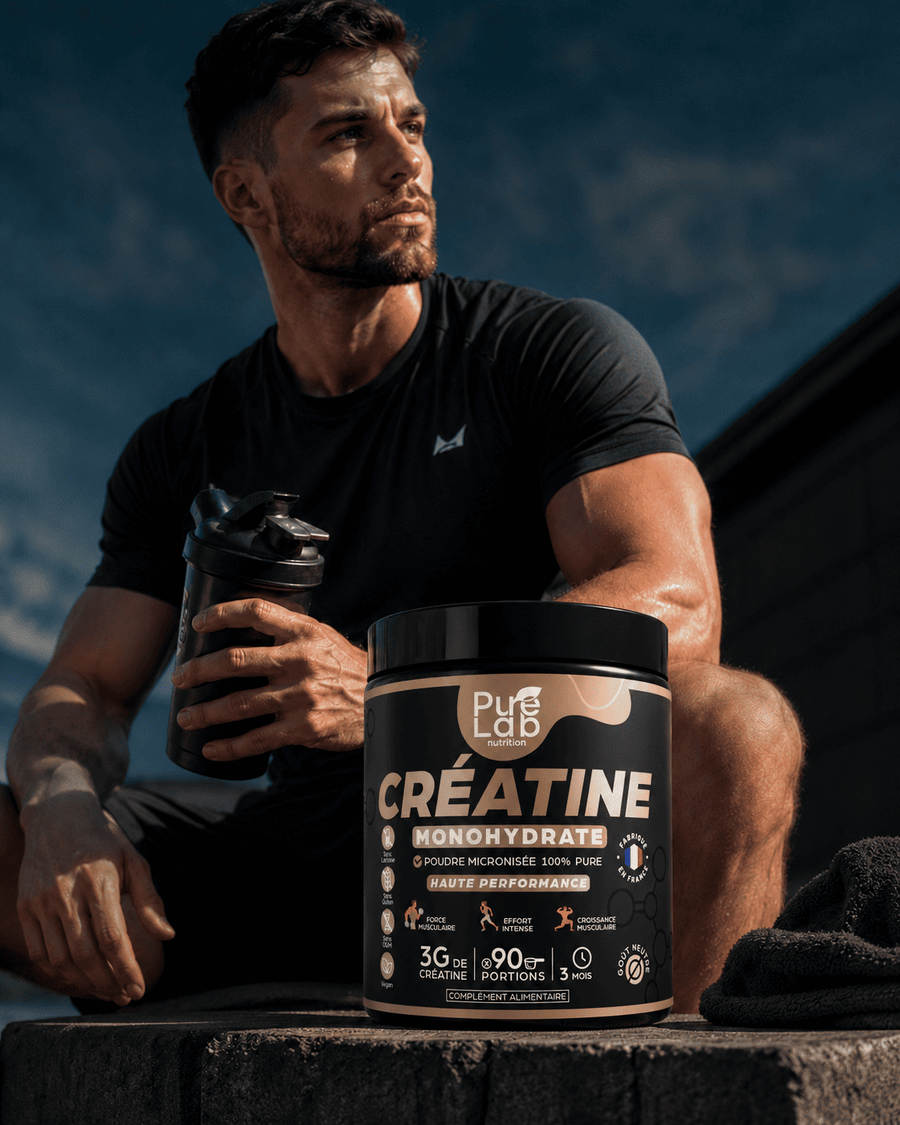
✅ Our Creatine monohydrate: creatine monohydrate, the most studied form
👉 Discover our Creatine monohydrate here.
Supportive supplements
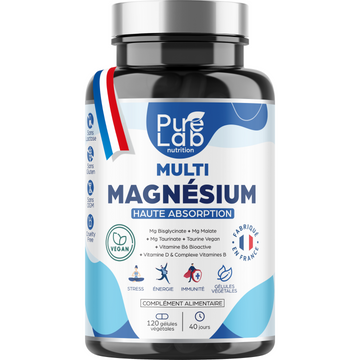
🌊 Magnesium
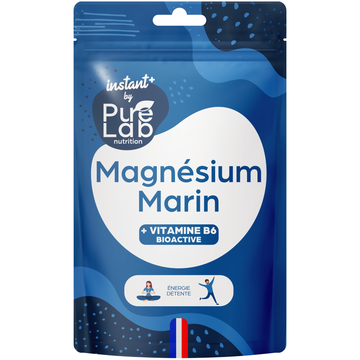
Magnesium contributes to normal muscle function, normal energy metabolism, and the reduction of fatigue. Athletes, who lose magnesium through sweat, have every interest in monitoring their intake. Discover our Multi Magnesium.
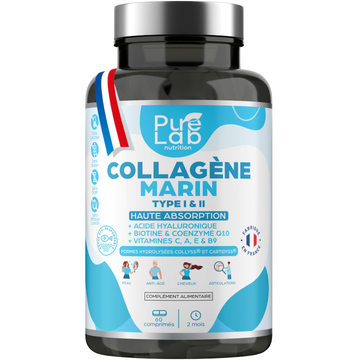
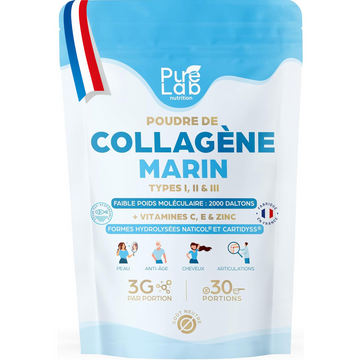
🐟 Collagen
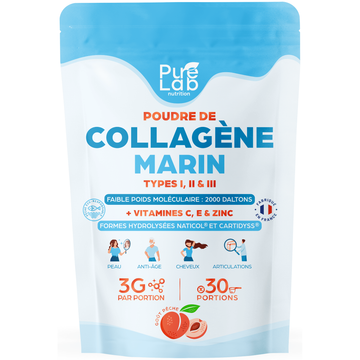
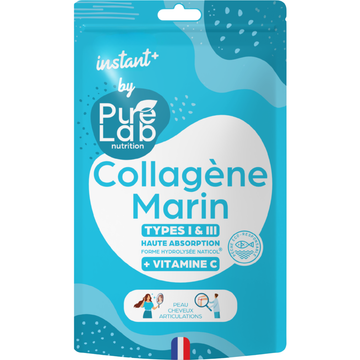
Heavy loads put stress on tendons and joints. Marine collagen is often included in athletes' routines; read Collagen and bodybuilding: what effects, what results?
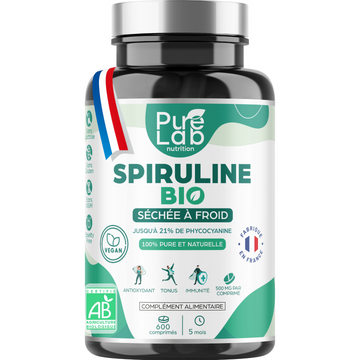
🌿 Spirulina
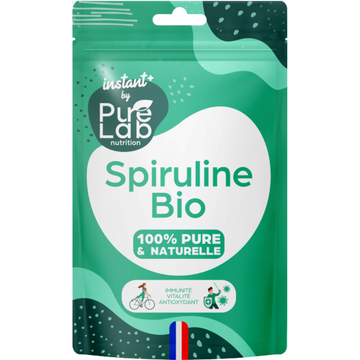
Naturally rich in protein, it is consumed in small quantities: it complements an athlete's diet, without replacing the main protein sources.
Supplements to approach with caution
In December 2017, the French Agency for Food, Environmental and Occupational Health & Safety (ANSES) published an opinion on supplements intended for muscle development and fat reduction. It noted adverse effects, mainly cardiovascular (tachycardia, rhythm disorders) and psychological (anxiety, mood disorders), and deemed the expected benefits unproven in light of the risks. Its recommendations:
⚠️ Avoid supplements containing caffeine before and during exercise
⚠️ Avoid combining several supplements, or combining them with medications
⚠️ Be wary of purchases on the Internet, where fraudulent or contaminated products circulate
⚠️ Talk to a healthcare professional and inform your doctor about the supplements you are taking
Adapting to your profile
🌱 You are a beginner
The first months are when you progress the fastest, provided you learn the right movements and stay consistent. Focus first on training, protein, and sleep. A supplement is not a priority as long as these foundations are not in place.
🏋️ You have been training for a long time
Progress naturally slows down. It is often at this stage that creatine makes the most sense, and it becomes useful to record your loads and your intake to identify what is blocking: insufficient recovery, too low a caloric surplus, or a program that no longer varies.
🥦 You are a vegetarian
Legumes, tofu, eggs, and dairy products make it possible to meet your protein needs by varying sources throughout the day. According to the ISSN position, vegetarians have lower muscle creatine stores and could therefore observe a greater increase in these stores with supplementation.
👩 You are a woman
The principles are identical. A review published in 2021 in Nutrients (Smith-Ryan et al.) reviewed creatine in women at different stages of life. To go further, read Creatine for women: benefits, dosage, myths.
A typical routine
| Time | Action |
|---|---|
| Every day | Creatine at a regular dose, at a fixed time |
| At each meal | 20 to 40 g of protein |
| After training | A protein-rich meal or snack |
| In the evening | Magnesium if needed, and a full night's sleep |
Tracking your progress
The weight on the scale does not tell the whole story. To know if your bulking phase is moving in the right direction, cross-reference several indicators:
- Your loads: if they are progressing on basic exercises, the muscle is generally following
- Your weight, measured under the same conditions, for example in the morning on an empty stomach, and tracked as a trend over several weeks rather than day by day
- Your waist circumference: if it is increasing much faster than the rest, the surplus is probably too high
- Your energy and sleep: persistent fatigue often signals insufficient recovery
Then adjust one parameter at a time, for example the amount of food or the volume of training, to understand what is working.
Common mistakes
⚠️ Eating "anything and everything"
Too high a caloric surplus primarily increases fat mass. A slight, consistent surplus with quality food is better.
⚠️ Relying entirely on supplements
Multiplying products is expensive, complicates the routine, and increases the risks of accumulation. One or two well-chosen supplements are enough in most cases.
⚠️ Neglecting sleep
Short nights hinder recovery. This is often the most underestimated pillar of bulking.
⚠️ Taking creatine irregularly
Its benefit relies on daily intake, including on rest days. Associating it with a fixed meal helps you not forget it.
Frequently asked questions
❓ Does creatine cause bloating?
Some studies have observed water retention during the first days of supplementation, a temporary effect. To clear up common myths, read Creatine: hair, kidneys, water retention, fact or fiction?
❓ Is protein powder essential?
No. It is convenient, but food is often enough to reach your needs. Start by calculating your current intake.
❓ Should I stop creatine on rest days?
No: creatine should be used daily, at a regular dose, whether you are training or not.
❓ Do these tips apply to women?
Yes, the principles are the same: progressive training, sufficient protein, sleep. Creatine has also been studied in women.
❓ Should I take creatine before or after training?
The most important thing is the regularity of daily intake, which maintains muscle stores. Choose the time that is easiest to stick to, for example with a meal.
In summary
1️⃣ Training, nutrition, sleep: the real foundations
2️⃣ 1.4 to 2.0 g of protein per kilo and per day, according to the ISSN
3️⃣ Creatine monohydrate, the most well-studied supplement
4️⃣ Magnesium, collagen, spirulina as support, without multiplying products
Pure Lab Nutrition ... The art of nourishing your well-being.
Sources:
- Kreider R.B. et al. (2017). International Society of Sports Nutrition position stand: safety and efficacy of creatine supplementation in exercise, sport, and medicine. Journal of the International Society of Sports Nutrition, 14, 18. JISSN
- Jäger R., Kerksick C., Campbell B. et al. (2017). International Society of Sports Nutrition Position Stand: Protein and Exercise. Journal of the International Society of Sports Nutrition, 14, 20. PubMed
- Antonio J., Candow D.G., Forbes S.C. et al. (2021). Common questions and misconceptions about creatine supplementation: what does the scientific evidence really show? Journal of the International Society of Sports Nutrition, 18, 13. JISSN
- Smith-Ryan A.E. et al. (2021). Creatine Supplementation in Women’s Health: A Lifespan Perspective. Nutrients, 13(3), 877. PMC
- ANSES (2017). Avis sur les compléments alimentaires destinés aux sportifs : développement musculaire et réduction de la masse grasse. anses.fr
- Regulation (EU) No 432/2012 establishing a list of permitted health claims. EUR-Lex


Restez informé 🌿
Recevez nos derniers articles et conseils santé directement dans votre boîte mail.


