






















Which supplements for athletes? The routine according to your practice
Do a long-distance runner, a weightlifter, and a yoga enthusiast need the same supplements? No. Each practice stresses the body differently, and the most useful supplements change accordingly.
At Pure Lab Nutrition, we believe in simple, targeted routines. Here are our suggestions based on your sport, examples of routines, common mistakes, and a reminder: nutrition and sleep come first.
📑 Table of Contents
- The foundation for all athletes
- Weight training and strength sports
- Running, cycling, endurance sports
- Team sports and interval training
- Yoga, pilates, gentle activities
- Women, seniors, vegetarians: points to consider
- Summary table
- Three sample routines
- Adapting your routine throughout the season
- Common mistakes
- Caution above all
- Frequently asked questions
- In summary
The foundation for all athletes
Regardless of your sport, three pillars matter more than any supplement:
- Sufficient protein: between 1.4 and 2 g per kg per day for most athletes, according to the International Society of Sports Nutrition, spread over intakes of 20 to 40 g every 3 to 4 hours or so
- Good hydration, before, during, and after exercise
- Sufficient sleep for recovery
Regarding protein, the ISSN specifies that an effective portion is approximately 0.25 g per kg of body weight (or 20 to 40 g), rich in essential amino acids. A regular diet is often sufficient to cover these needs; protein powders are a convenient way to achieve this, not a requirement.
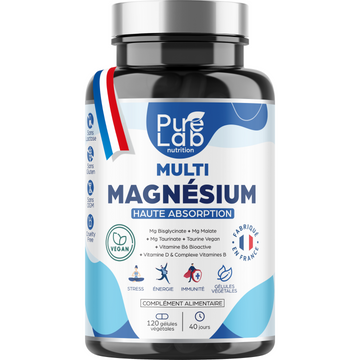
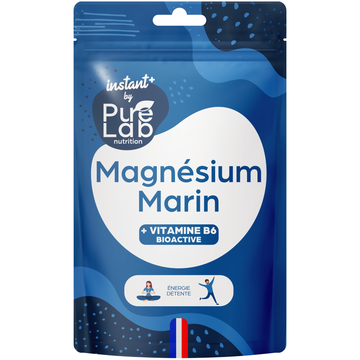
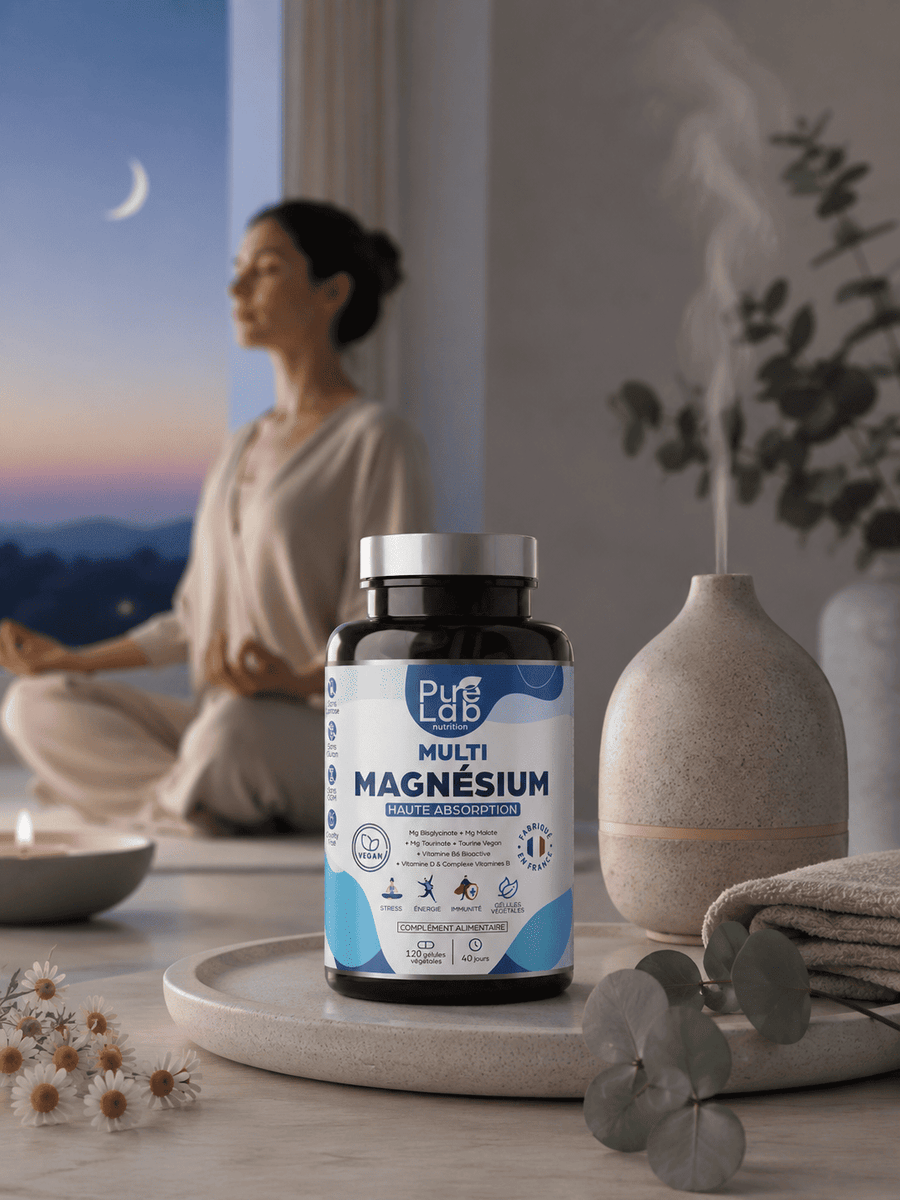
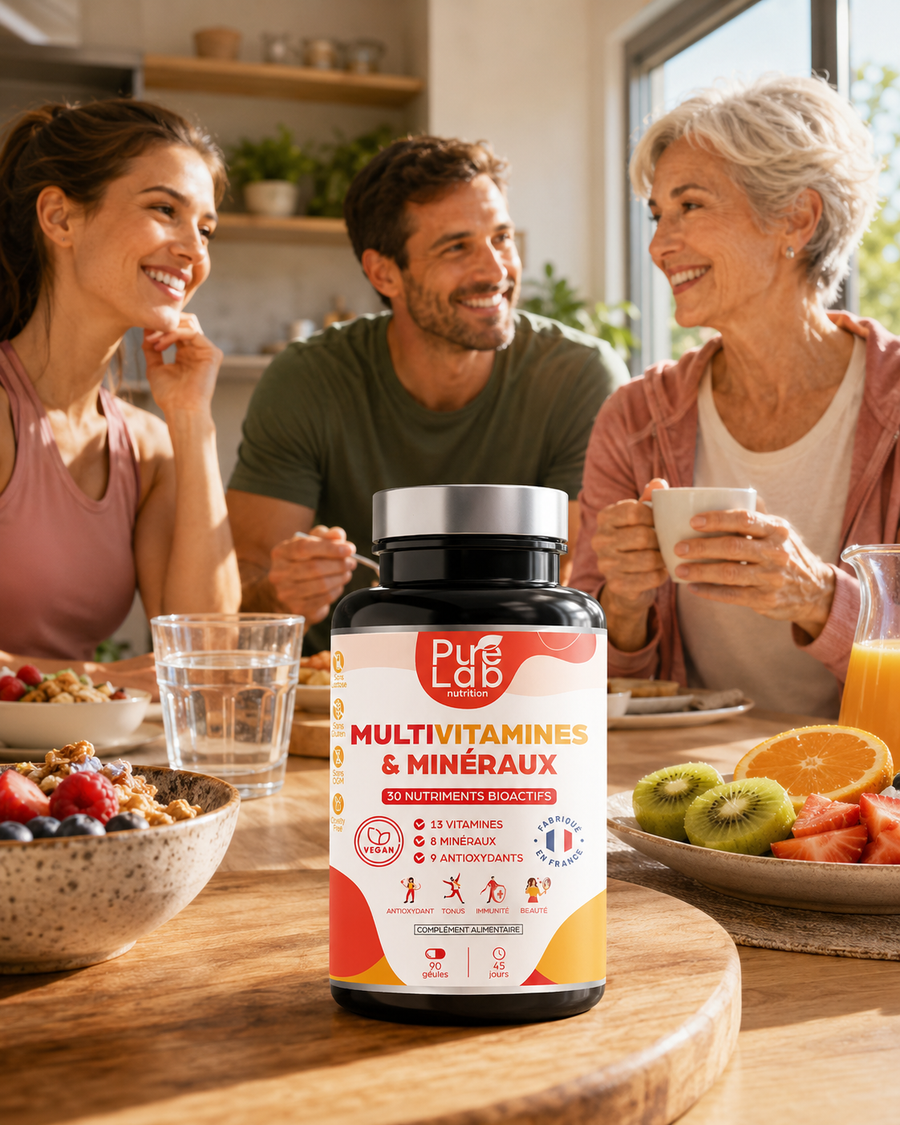
Magnesium is a good starting point for everyone: it contributes to normal muscle function, electrolyte balance, and the reduction of fatigue.
Before adding a product, ask yourself one simple question: what is my athletic goal for the next three months? To improve strength, finish a race, recover better, or simply move regularly? The answer leads to very different choices.
Weight training and strength sports
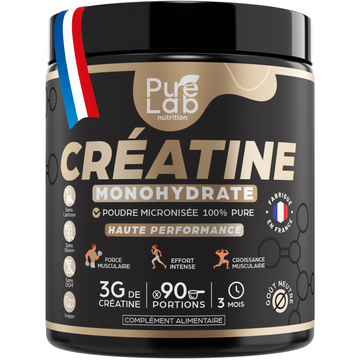
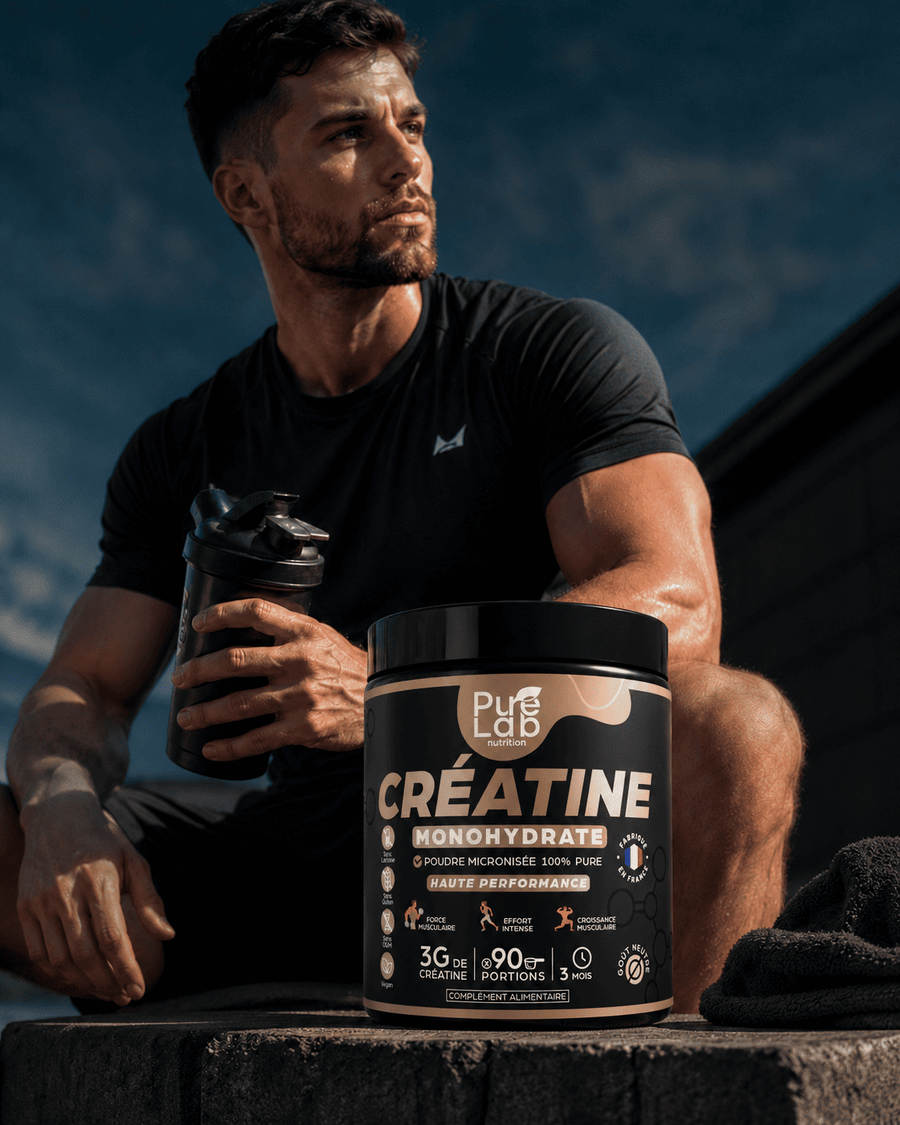
Creatine monohydrate is the most studied supplement in this field. At 3 g per day, it increases physical performance during repeated short-duration, high-intensity exercises. According to the ISSN position stand (Kreider et al., 2017), it is safe for healthy adults at recommended doses.
Another ISSN publication (Antonio et al., 2021) reviewed the most common misconceptions about it. And creatine is not just for men: a review published in 2021 in Nutrients (Smith-Ryan et al.) specifically looked at its use in women. Read Creatine for women: benefits, dosage, and misconceptions.
To build muscle, read Which supplements for effective mass gain?
Running, cycling, endurance sports
Endurance sports increase sweat loss and place high demands on the body:
- Magnesium: for muscle function, electrolyte balance, and fatigue
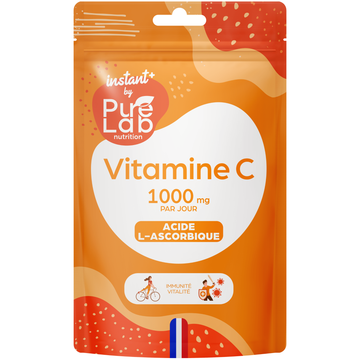
- Vitamin C: it contributes to the normal function of the immune system during and after intense physical exercise (200 mg per day in addition to dietary intake)
- Iron: it contributes to the reduction of fatigue and the normal formation of red blood cells, but should only be taken after a blood test
Regarding your plate, carbohydrates remain the primary fuel for long efforts: do not neglect them on days with major training sessions. The ISSN reiterates this in its position stand on protein: for endurance athletes, the priority is sufficient carbohydrate intake, with protein supplementation potentially helping to limit muscle damage and improve recovery.
What about creatine? Its recognized claim relates to short, intense efforts, but the review by Antonio et al. (2021) also cites studies where it was associated, along with carbohydrates, with better glycogen storage or less soreness after a 30 km run. These are leads, not certainties: for a runner without speed or strengthening work, it is not a priority.
Team sports and interval training
Soccer, rugby, basketball, HIIT: these sports involve alternating short, intense efforts. This is exactly the type of effort for which creatine has shown its value. Magnesium and proper recovery complete the routine. In these sports, the schedule weighs heavily: weekday training, weekend matches, sometimes travel. The post-match meal, hydration, and the following night's sleep often count for more than any product. Read How to promote effective athletic recovery?
Yoga, pilates, gentle activities
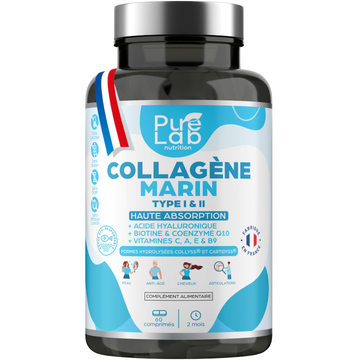
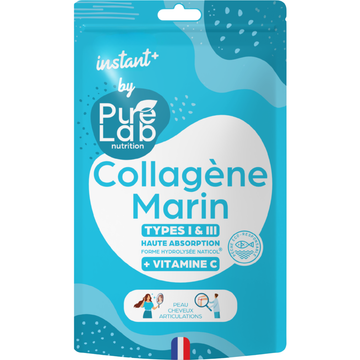
Here, the goal is less about performance than overall well-being. Magnesium (normal psychological functions) and, for joints, the combination of collagen + vitamin C are interesting avenues: vitamin C contributes to normal collagen formation for the normal function of cartilage.
Women, seniors, vegetarians: points to consider
👩 Female athletes
Periods lead to iron loss each month, and reserves can be low even without anemia. A ferritin test is a good practice in case of unusual fatigue. As for creatine, it is just as relevant for women as it is for men during intense efforts, with the same dosage guidelines.
🧓 Active seniors
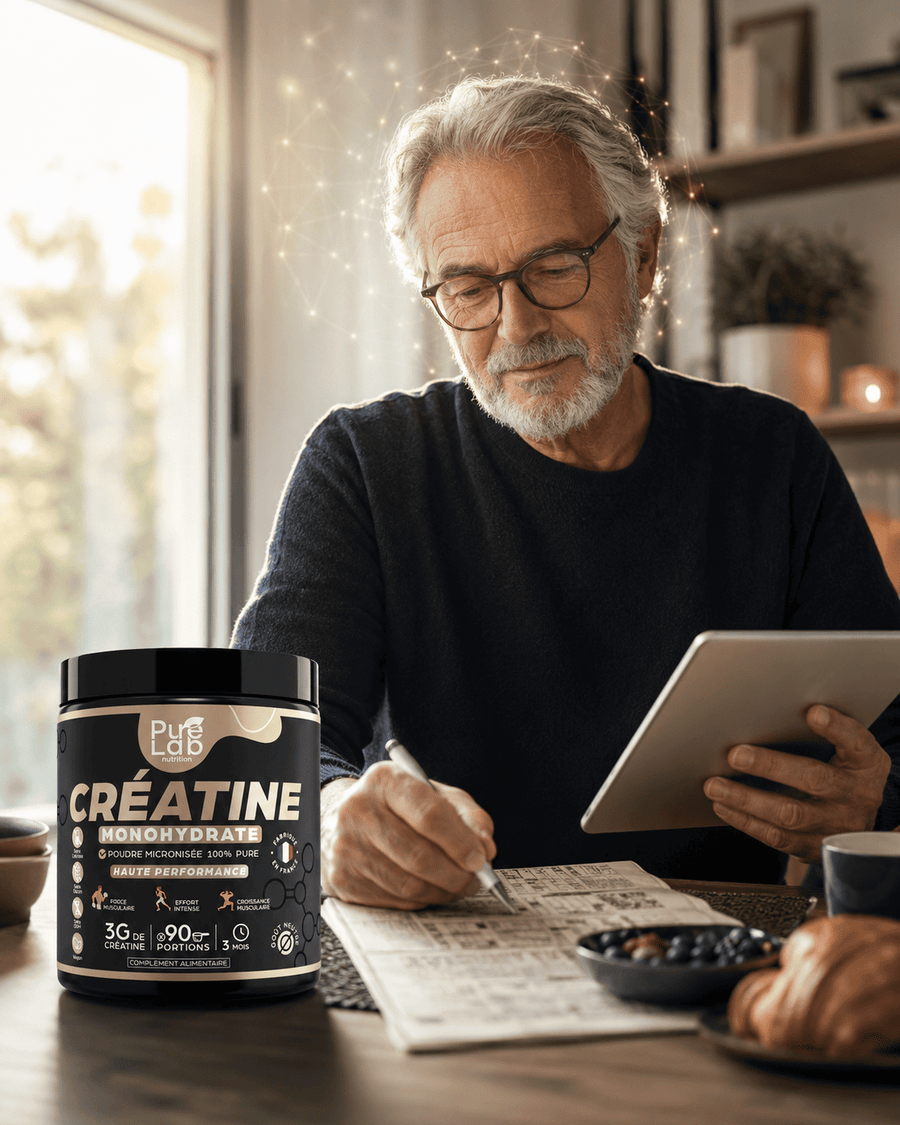
After 50, maintaining muscle mass becomes a major issue. According to the ISSN, creatine primarily provides benefits when combined with weight training; taken alone, without training, its effect on strength and lean mass remains limited. Read Creatine for the elderly.
🌱 Vegetarian or vegan athletes
Two things to watch. First, Vitamin B12, which is absent from plant-based foods: spirulina is not a reliable source, the ANSES reminds us. Second, creatine, since meat and fish are the main dietary sources. To learn more, read Vegan or vegetarian: supplements to consider.
Summary table
| Practice | Priority | Optional |
|---|---|---|
| Weight training | Creatine | Magnesium |
| Endurance | Magnesium | Vitamin C |
| Team sports, HIIT | Creatine | Magnesium |
| Yoga, pilates | Magnesium | Collagen + vitamin C |
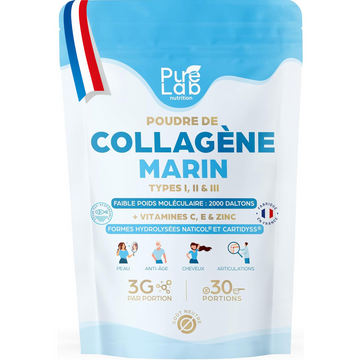
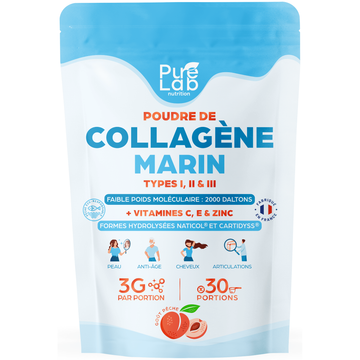
👉 Discover our Creatine Monohydrate, our Multi Magnesium, and our Marine Collagen Powder here.
Three sample routines
🏋️ Thomas, weight training 4 times a week
Creatine every day, at a fixed time, mixed into a drink or yogurt. Protein spread across his four meals. Magnesium in the evening during busy training periods.
🚴 Inès, cyclist, long rides on weekends
Magnesium as a course during her season, vitamin C during the most intense training blocks, and an annual blood test with a ferritin check, as advised by her doctor.
🧘 Hélène, yoga and walking
Magnesium during stressful periods, and a course of collagen powder in her morning smoothie, combined with a fruit rich in vitamin C.
Adapting your routine throughout the season
| Period | Priorities |
|---|---|
| Preparation (increased volume) | Well-distributed protein, sleep, magnesium if needed; continuous creatine for intense sports |
| Competitions | Nothing new on game day: never test a product before an important event |
| Break (rest, vacations) | Pause for occasional supplements; keep a varied diet and light activity |
This breakdown helps avoid "stacking": each product has a reason to be taken at a given time, then you reassess.
Common mistakes
❌ Copying an athlete's routine whose training volume has nothing to do with yours
❌ Stacking products without knowing which ones are useful
❌ Taking iron without blood tests
❌ Taking creatine only on training days: consistency is what counts
❌ Neglecting protein and sleep by relying entirely on supplements
Caution above all
The ANSES calls for vigilance regarding supplements intended for athletes: certain products, particularly those purchased online outside controlled channels, can be fraudulent or adulterated. Choose products with transparent composition, avoid formulas with spectacular promises, and ask a healthcare professional for advice in case of doubt or if you are on medication.
In its opinion on supplements intended to build muscle mass or reduce body fat, the ANSES goes further:
- it emphasizes that these fraudulent or adulterated products, which online purchases expose you to more, can lead to a positive doping test
- it recommends avoiding supplements containing caffeine before and during exercise
- it advises against combining multiple supplements, or taking them in combination with medication
- it advises informing your doctor and pharmacist about the supplements you are taking
Frequently asked questions
❓ Are supplements necessary to play sports?
No. They are optional. A proper diet, good sleep, and well-structured training remain essential. Supplements can then provide a targeted boost.
❓ Is creatine suitable for endurance sports?
Its recognized value relates to repeated, short, and intense exercises. If your practice includes sprints, interval training, or weight training as a complement, it may have its place.
❓ I am subject to doping tests: what should I do?
Be particularly vigilant: buy from reliable channels, keep packaging and lot numbers, and have each product validated by your federation or club doctor before consuming it.
❓ Should I take creatine before or after the session?
The timing matters less than consistency: muscle stores fill up over days, not in one dose. Choose a marker that is easy to keep, for example with a meal or your post-session snack, and keep it on rest days too.
❓ Can I take creatine and magnesium together?
Yes, there is nothing against it. Just respect the dosage for each product.
In summary
1️⃣ Protein, hydration, sleep: the foundation for everyone
2️⃣ Creatine for short, repeated, and intense efforts
3️⃣ Magnesium for all profiles
4️⃣ Transparent products, without miracle promises
Pure Lab Nutrition ... The art of nourishing your well-being.
Sources :
- Kreider R.B. et al. (2017). International Society of Sports Nutrition position stand: safety and efficacy of creatine supplementation in exercise, sport, and medicine. Journal of the International Society of Sports Nutrition, 14:18. JISSN
- Jäger R. et al. (2017). International Society of Sports Nutrition Position Stand: protein and exercise. Journal of the International Society of Sports Nutrition, 14:20. PubMed
- Antonio J. et al. (2021). Common questions and misconceptions about creatine supplementation: what does the scientific evidence really show? Journal of the International Society of Sports Nutrition, 18:13. JISSN
- Smith-Ryan A.E. et al. (2021). Creatine supplementation in women's health: a lifespan perspective. Nutrients, 13(3):877. PMC
- ANSES. Food supplements for developing muscle or reducing body fat. anses.fr
- ANSES. Food supplements containing spirulina: the importance of choosing trustworthy supply channels. anses.fr
- Regulation (EU) No 432/2012 regarding authorized health claims. EUR-Lex


Restez informé 🌿
Recevez nos derniers articles et conseils santé directement dans votre boîte mail.