

























Supplements and medications: interactions to be aware of
Natural does not mean free from interactions. Some dietary supplements can alter the absorption or effect of a medication, and vice versa. Here are the most well-documented associations, the necessary precautions to take, and, above all, why your doctor or pharmacist must always have the final say.
📑 Contents
- How a supplement can interact with a medication
- Vitamin K and vitamin K antagonist anticoagulants
- Iron, calcium, and levothyroxine
- St. John's wort: the most well-known interaction
- Minerals and antibiotics, other plants
- Best practices before starting a supplement regimen
🔬 How a supplement can interact with a medication
An interaction occurs when two substances taken together influence one another. It can happen at several levels. First, at the absorption level: a mineral can bind to the active ingredient in the intestine and reduce its passage into the bloodstream. Next, at the metabolism level: certain substances accelerate or slow down the liver enzymes that break down medications. Finally, at the pharmacodynamic level: two substances can act in the same direction or in opposite directions on the same function.
These risks are taken seriously by authorities. The ANSM publishes a Thesaurus of drug interactions, which lists associations that are contraindicated, to be avoided, or to be monitored, and the ANSES coordinates the nutrivigilance system, tasked with collecting adverse effects attributed to supplements. For an overview of the legal distinction between the two types of products, read our article Dietary supplement or medication: what is the difference?
🧬 Who is affected?
Anyone taking medication regularly is affected, particularly those taking drugs with a narrow therapeutic index (anticoagulants, thyroid hormones, immunosuppressants, certain antiepileptics), the elderly, who are often on multiple medications, pregnant or breastfeeding women, and people with kidney or liver conditions.
🥦 Vitamin K and vitamin K antagonist anticoagulants
This is the classic example. Vitamin K antagonists (warfarin, acenocoumarol, fluindione) work by decreasing the action of vitamin K, which is necessary for the synthesis of certain coagulation factors. An intake of vitamin K, whether from diet (green vegetables) or a supplement (especially a multivitamin), can therefore decrease the effect of the medication and alter the INR, the indicator used to monitor coagulation.
This is not a reason to cut out green vegetables: the goal is consistency. A systematic review published in 2016 (Violi et al.) showed that the extent of the link between dietary vitamin K intake and stability of anticoagulation remains debated, but clinical recommendations insist on stable intake and informing your doctor before starting or stopping a supplement that contains it. Read the composition of your multivitamin carefully and report it to the team monitoring your INR.
📌 Other associations to monitor with anticoagulants
Certain plants (ginkgo, high-dose garlic) and certain high-dose fatty acids are associated in the literature with an increased risk of bleeding when taken with anticoagulants or antiplatelet agents. Caution is advised, and prior medical advice is essential.
🩸 Iron, calcium, and levothyroxine
Levothyroxine, a synthetic thyroid hormone, is absorbed in the small intestine, and this absorption can be reduced by the simultaneous presence of iron, calcium, or certain magnesium salts. A benchmark study (Campbell et al., Annals of Internal Medicine, 1992) observed that ferrous sulfate reduced the efficacy of thyroxine in patients with hypothyroidism, with an increase in TSH.
The usual precaution, mentioned in package inserts, is to space out doses, generally by at least four hours between levothyroxine and these minerals. Do not decide on this interval yourself: your doctor or pharmacist will adapt the advice to your situation and may schedule a blood test after introducing a supplement.
🕐 Consider the dosing schedule
The timing of the dose is as important as the dose itself. To organize your routine, our article When and how should you take your magnesium? explains the benefit of a regular schedule.
🌼 St. John's wort: the most well-known interaction
St. John's wort (Hypericum perforatum) is the plant with the best-documented interactions. It activates liver enzymes (notably CYP3A4) and a transport protein, P-glycoprotein, which can reduce the blood concentrations of many medications. In a landmark review (Henderson et al., British Journal of Clinical Pharmacology, 2002), the authors describe clinically significant interactions with drugs such as cyclosporine, warfarin, certain antiretrovirals, and oral contraceptives.
When combined with other substances acting on serotonin, such as certain antidepressants, St. John's wort carries a risk of serotonin syndrome. The ANSM has therefore reminded patients of the need to seek advice from a healthcare professional before taking it. Key point: St. John's wort should never be added to a medication without medical advice, and it should not be stopped abruptly on your own if other medications have been adjusted while you were taking it.
⚠️ Oral contraceptives
Reduced contraceptive efficacy is one of the most concrete risks. If you use hormonal contraception, seek advice from your pharmacist before taking any plant, including those that seem harmless to you.
🧪 Minerals and antibiotics, other plants
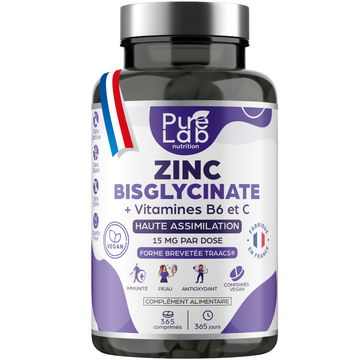
Multipurpose minerals (calcium, magnesium, zinc, iron) can bind to certain antibiotics, particularly fluoroquinolones and tetracyclines, which reduces their absorption. The package inserts for these medications generally recommend spacing doses by several hours. The mechanism is simple and well known, but the length of the interval depends on the medication: ask your pharmacist.
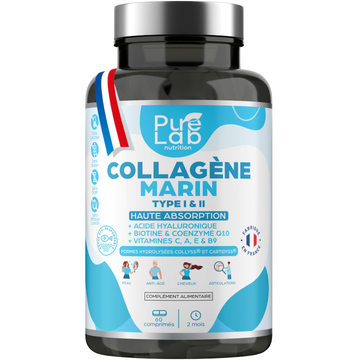
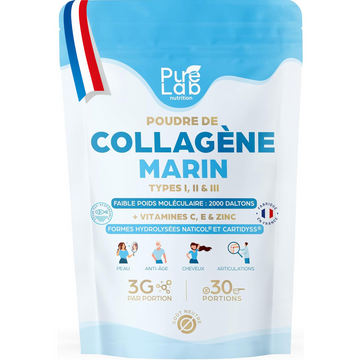
Other plants also require vigilance: ashwagandha, for example, is subject to precautions for people on thyroid hormones, sedatives, or immunosuppressants. Our guide Ashwagandha: benefits, dosage, and precautions details these points. And the article Can you take collagen safely? recalls the same logic for a very common supplement.
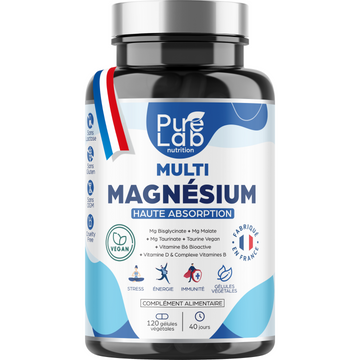
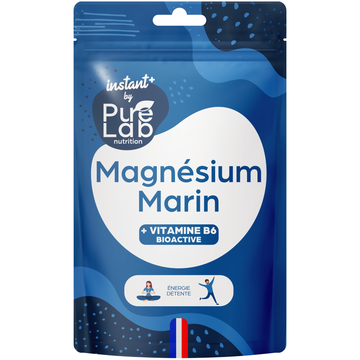
✅ Our Multi-Magnesium at Pure Lab Nutrition: magnesium helps reduce fatigue and contributes to the normal functioning of the nervous system. If you are taking medication, ask your pharmacist for advice on the best time to take it.
👉 Discover our Multi-Magnesium here.
🧭 Best practices before starting a supplement regimen
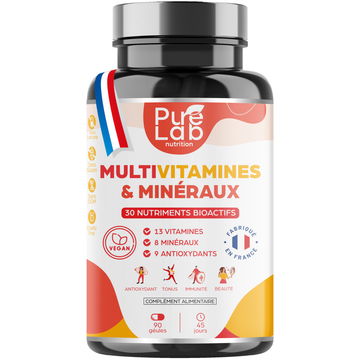
Before adding a supplement to your routine, four habits will limit the risks. First, make a list of everything you are taking: prescribed or non-prescribed medications, supplements, concentrated herbal teas, and plant-based products. Then, present it to your pharmacist, who can also consult your pharmaceutical record. Read the exact composition of the supplement, including the vitamins and minerals in a multivitamin, and the precautions for use on the label.
Next, introduce only one product at a time so you can identify any potential side effects. Finally, never change the dose of a prescribed medication on your own, and do not stop a prescription because you are taking a supplement. If an unusual effect occurs, consult a healthcare professional; they can report it to the nutrivigilance system. To organize taking several products together, also read Can you take several supplements at the same time?
✅ In summary
1️⃣ A dietary supplement can alter the absorption or effect of a medication: vitamin K with vitamin K antagonists, iron and calcium with levothyroxine, St. John's wort with many medications.
2️⃣ Minerals bind to certain antibiotics: spacing doses is often necessary.
3️⃣ Make a list of everything you are taking and show it to your pharmacist before starting.
4️⃣ Never change a prescription on your own: your doctor or pharmacist remains your primary point of contact.
Pure Lab Nutrition — The art of nourishing your well-being.
Scientific sources:
- ANSM, Thesaurus of drug interactions (regularly updated) – ansm.sante.fr.
- Violi F. et al., “Interaction between dietary vitamin K intake and anticoagulation by vitamin K antagonists: is it really true? A systematic review”, Medicine (Baltimore), 2016; 95(10):e2895.
- Campbell N.R. et al., “Ferrous sulfate reduces thyroxine efficacy in patients with hypothyroidism”, Annals of Internal Medicine, 1992; 117(12):1010-1013.
- Henderson L. et al., “St John's wort (Hypericum perforatum): drug interactions and clinical outcomes”, British Journal of Clinical Pharmacology, 2002; 54(4):349-356.
- ANSES, nutrivigilance system – anses.fr; Public Database of Medicines (package inserts and SPC) – base-donnees-publique.medicaments.gouv.fr.


Restez informé 🌿
Recevez nos derniers articles et conseils santé directement dans votre boîte mail.