















Vegan diet and athletic performance: essential supplements
A vegan diet can perfectly support a regular sports practice, provided it is well-planned. However, certain nutrients require special attention, as they are absent or less available in plant-based foods. Here is what scientific sources say, and how to choose a vegan sports supplement with discernment.
📑 Summary
- Vegan and athlete: what the recommendations say
- Vitamin B12: the non-negotiable point
- Zinc: bioavailability to watch
- Iron: monitoring rather than self-medication
- Spirulina: a plant-based supplement to contextualize
- Proteins, creatine, omega-3: other topics
🔬 Vegan and athlete: what the recommendations say
The position of the Academy of Nutrition and Dietetics (Melina et al., 2016) indicates that well-planned vegetarian and vegan diets can be suitable for all stages of life, including for athletes. The key word is "well-planned": without vigilance, certain intakes risk being insufficient.
🧬 Why athletes are more concerned
Sports practice increases energy, protein, and certain micronutrient requirements. Add to this diets that are sometimes rich in fiber and phytates, which can reduce the absorption of certain minerals, and you understand why regular check-ups are recommended. Our article Vegan or vegetarian: supplements to consider provides an initial overview.
🔬 Vitamin B12: the non-negotiable point
Vitamin B12 is virtually absent from unfortified plant foods. A review by Pawlak et al. (2013) reports high rates of deficiency among vegetarians, particularly among individuals who consume no animal products. This is why professional societies systematically recommend a reliable source of B12 to vegans.
🧬 What B12 provides, according to authorized claims
In accordance with Regulation (EU) No 432/2012, vitamin B12 contributes to the reduction of tiredness and fatigue, normal energy-yielding metabolism, normal formation of red blood cells, normal functioning of the nervous system, and normal functioning of the immune system. For an athlete, these roles are directly relevant. To learn more: Vegetarians and vegans: why vitamin B12 is essential.
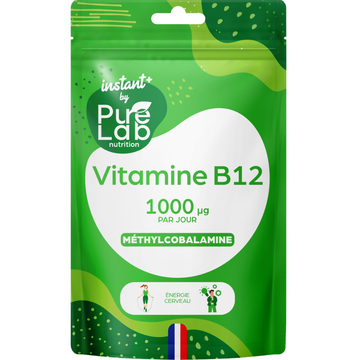
✅ Our Vitamin B12 (Instant+) at Pure Lab Nutrition: a practical format to ensure regular intake of vitamin B12.
👉 Discover our Vitamin B12 (Instant+) here.
🔬 Zinc: bioavailability to watch
Zinc is present in legumes, seeds, and whole grains, but the phytates they contain reduce its absorption. Foster and Samman (2015) point out that the zinc needs of vegetarians may be higher than those of omnivores, precisely for this reason. Soaking, sprouting, or fermenting foods helps improve bioavailability.
🧬 Authorized claims for zinc
Zinc contributes to normal cognitive function, normal protein synthesis, normal DNA synthesis and cell division, the maintenance of normal skin, hair, and nails, as well as the normal functioning of the immune system. Protein synthesis is a subject that resonates with athletes, but let's not forget that a zinc supplement is only useful if it complements a varied diet. Also read Zinc: roles, daily needs, and signs of deficiency.
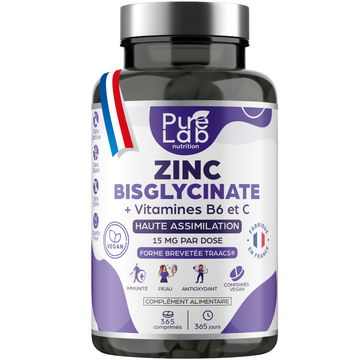
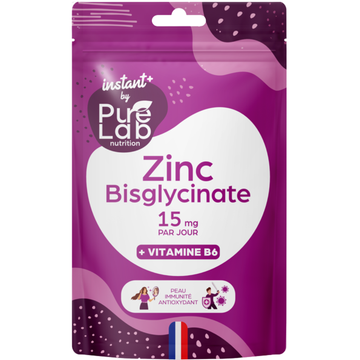
✅ Our Zinc Bisglycinate at Pure Lab Nutrition: a form of zinc bound to glycine, appreciated for its good tolerance.
👉 Discover our Zinc Bisglycinate here.
🔬 Iron: monitoring rather than self-medication
Plant-based iron (non-heme iron) is less well absorbed. Pawlak et al. (2018) show that iron stores, measured by ferritin, are on average lower in vegetarians, without this necessarily meaning anemia. Female athletes, due to menstruation and losses related to exercise, are particularly concerned.
🧬 Measure before supplementing
Iron is a special case: an excess is potentially harmful. A blood test (ferritin, hemoglobin) is the safest way to know if supplementation is necessary, and the decision should be made with a healthcare professional. We do not offer an iron product in our current range. In accordance with Regulation (EU) No 432/2012, iron contributes to the reduction of tiredness and fatigue, normal oxygen transport in the body, and normal formation of red blood cells: all reasons to monitor your status. To combine iron-rich foods with a source of vitamin C, see also Spirulina and iron.
🔬 Spirulina: a plant-based supplement to contextualize
Spirulina is a microalgae consumed as a dietary supplement. It contains protein, iron, and various pigments. A review by Karkos et al. (2011) lists interesting research leads, specifying that many studies are small in scale. No health claims are authorized in the European Union for spirulina, and we therefore attribute none to it.
🧬 Attention to B12
A often misunderstood point: spirulina contains B12 analogues that are not active in humans. It should therefore not be considered a reliable source of vitamin B12. For its use, see Spirulina and sports performance.
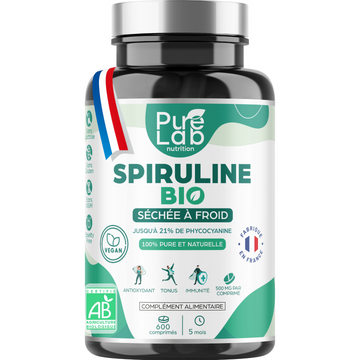
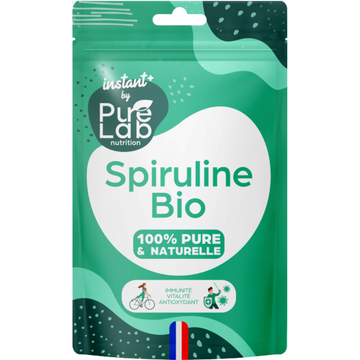
✅ Our ORGANIC Spirulina at Pure Lab Nutrition: spirulina from organic farming, in easy-to-dose tablets.
👉 Discover our ORGANIC Spirulina here.
🔬 Proteins, creatine, omega-3: other topics
A vegan diet is not just about B12, zinc, and iron. Vegan athletes would also benefit from checking three other points.
🧬 Proteins and variety
Combine legumes and grains throughout the day to cover all essential amino acids. Soy, peas, and seitan are useful bases. The protein requirements of athletes are generally higher than those of the general population.
🧬 Creatine and omega-3
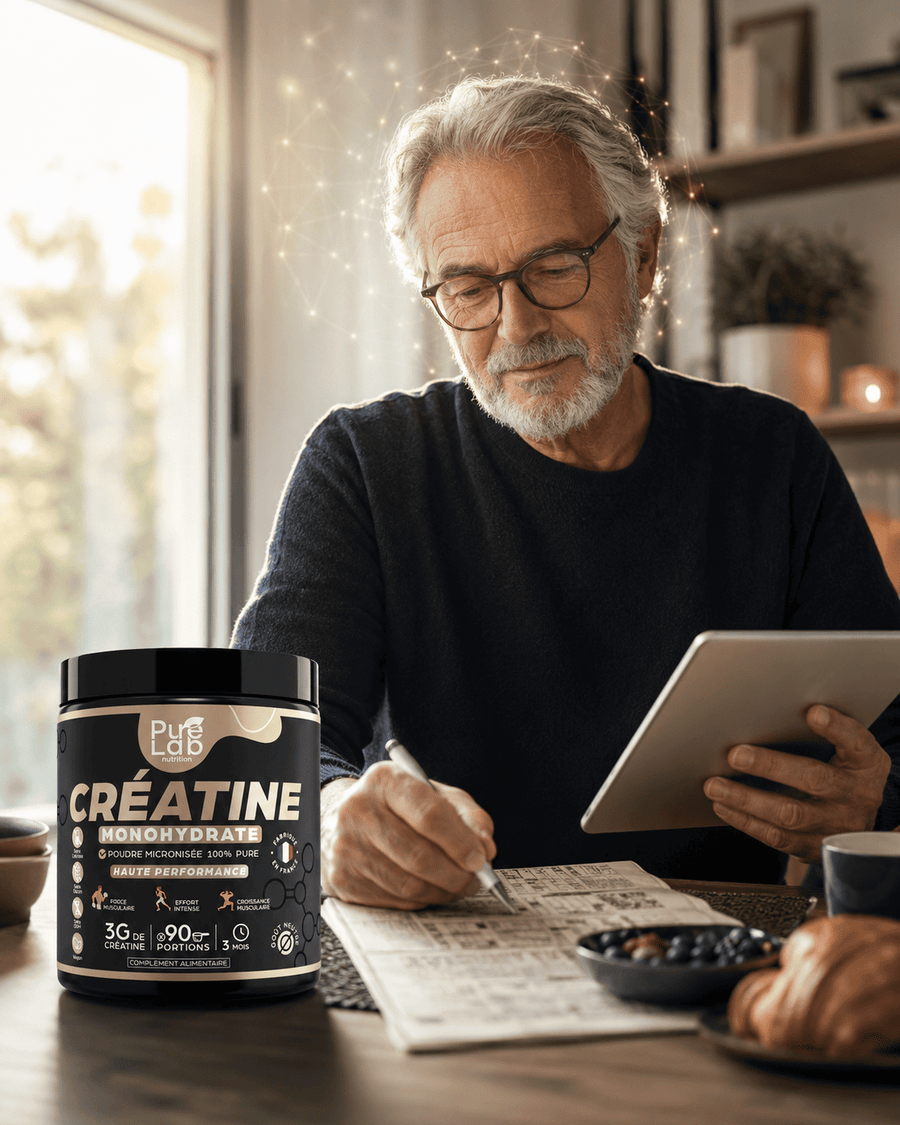
Creatine is mainly provided by meat and fish, and vegans have lower muscle reserves of it on average. It is synthesized industrially, so it is compatible with a vegan lifestyle. Long-chain omega-3s (EPA, DHA) exist in the form of algae oil. We do not offer these two products in this article, but they are worth discussing with a sports nutritionist.
🧬 Take stock before deciding
The most rational approach consists of evaluating your diet, requesting blood work (B12, ferritin, possibly zinc), and adding only what is useful. Dietary supplements should not replace a varied and balanced diet or a healthy lifestyle, and one should not exceed the recommended daily dose.
✅ In summary
1️⃣ A well-planned vegan diet can be suitable for athletes, but vitamin B12 must be provided by a reliable source.
2️⃣ Zinc contributes to, among other things, normal protein synthesis, and its absorption is reduced by phytates in plant foods.
3️⃣ Iron should only be supplemented after a blood test and medical advice.
4️⃣ Spirulina is an interesting plant-based supplement, without authorized claims, and does not replace B12.
Pure Lab Nutrition — The art of nourishing your well-being.
Scientific sources:
- Melina V, Craig W, Levin S. Position of the Academy of Nutrition and Dietetics: Vegetarian Diets. J Acad Nutr Diet. 2016;116(12):1970-1980.
- Pawlak R, Parrott SJ, Raj S, Cullum-Dugan D, Lucus D. How prevalent is vitamin B12 deficiency among vegetarians? Nutr Rev. 2013;71(2):110-117.
- Pawlak R, Berger J, Hines I. Iron status of vegetarian adults: a review of literature. Am J Lifestyle Med. 2018;12(6):486-498.
- Foster M, Samman S. Vegetarian diets across the lifecycle: impact on zinc intake and status. Adv Food Nutr Res. 2015;74:93-131.
- Karkos PD, Leong SC, Karkos CD, Sivaji N, Assimakopoulos DA. Spirulina in clinical practice: evidence-based human applications. Evid Based Complement Alternat Med. 2011;2011:531053.


Restez informé 🌿
Recevez nos derniers articles et conseils santé directement dans votre boîte mail.