


















Pure Lab Nutrition: our quality philosophy, from formula to bottle
How do you judge the quality of a dietary supplement when everyone promises the best? At Pure Lab Nutrition, we have chosen to prioritize simple principles: legible formulas, well-thought-out nutrient forms, displayed dosages, and a discourse that remains within regulatory frameworks. This is our philosophy, and most importantly, how you can verify it yourself on every product page.
📑 Table of Contents
- A formula first: utility before the superfluous
- Nutrient forms chosen for their assimilation
- Clear and measured dosages
- Transparency: sheets you can verify
- Discourse framed by regulations
- How to judge the quality of any brand
🧪 A formula first: utility before the superfluous
Everything starts with the formula. A supplement only has value if what it contains has nutritional interest and if the quantities are consistent. Our approach consists of starting from an identified need (for example, a supply of magnesium, zinc, or vitamin C), then building a short and legible composition, without adding ingredients "just for show".
🧬 Streamlined formulas
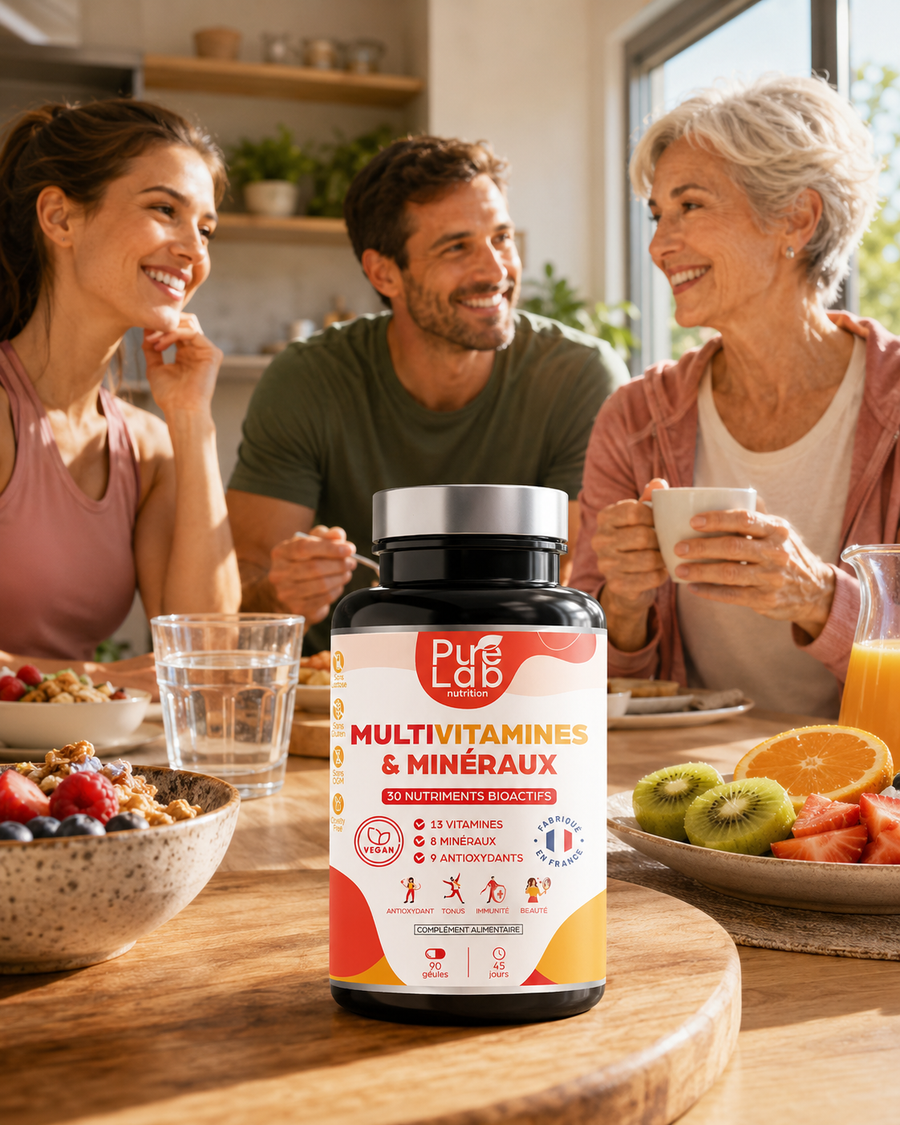
On our sheets, you will find mentions such as "additive-free," "excipient-free" for several products, as well as vegan, gluten-free, and lactose-free formulas. Our multivitamin, for example, intentionally indicates it contains neither iron nor copper: the goal is to reach recommended daily intakes without the risk of overdose, rather than accumulating active ingredients. This selection logic takes precedence over the race for more ingredients.
If you want to know if a multivitamin is right for you, our guide Should you take a multivitamin? will help you decide.
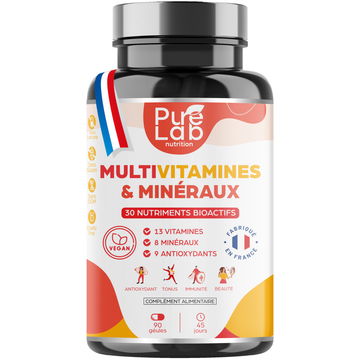
✅ Our Multivitamins & Minerals at Pure Lab Nutrition: 30 bioactive nutrients (13 vitamins, 8 minerals, 9 antioxidants and cofactors), 90 vegan capsules for 45 days.
👉 Discover our Multivitamins & Minerals here.
🧬 Nutrient forms chosen for their assimilation
The same nutrient can exist in many forms, which have neither the same solubility nor the same tolerance. Our philosophy is to clearly indicate the form used and to prioritize, when relevant, so-called bio-available forms. A few examples from our product sheets:
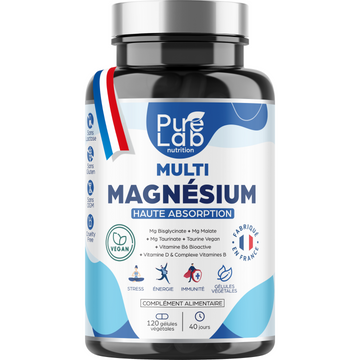
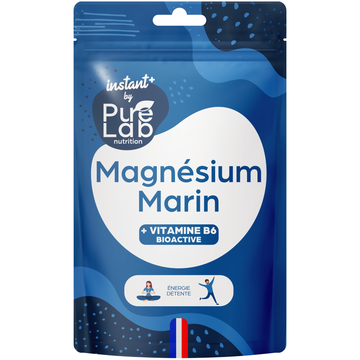
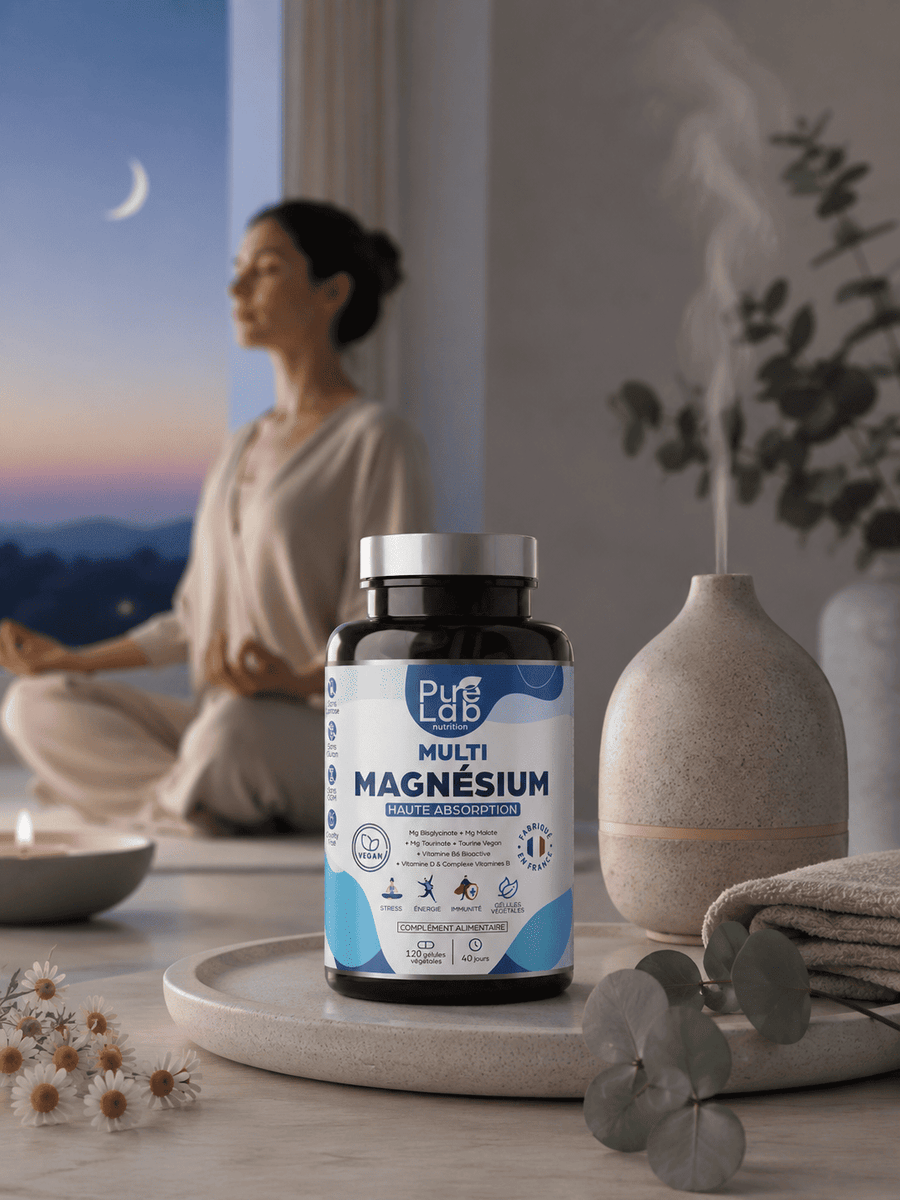
- Minerals: zinc in bisglycinate form; magnesium from three forms (bisglycinate, taurinate, malate).
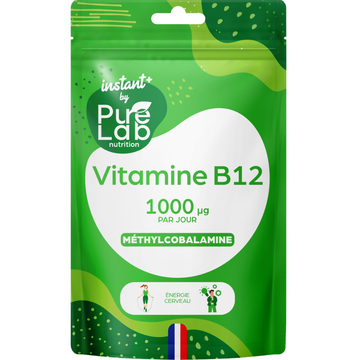
- Vitamin B12: methylcobalamin, an active form.
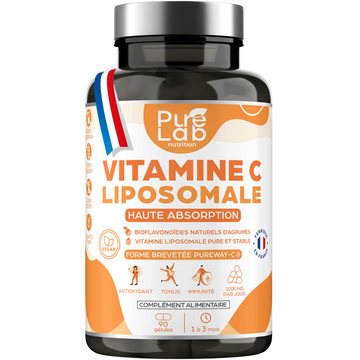
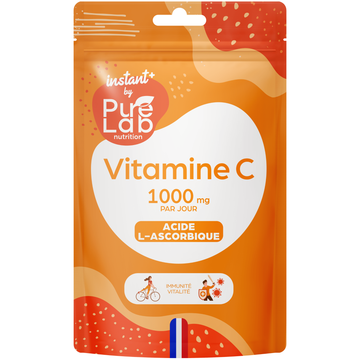
- Vitamin C: a patented liposomal version (PureWay-C®) and an L-ascorbic acid version, to meet different preferences.
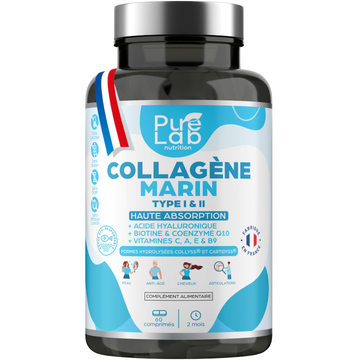
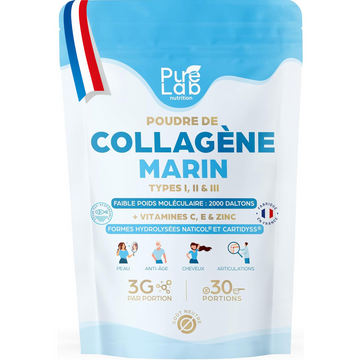
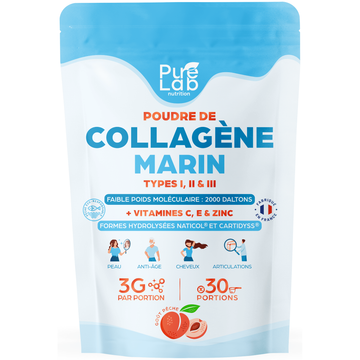
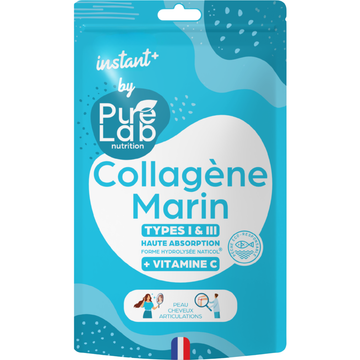
- Branded ingredients: KSM-66® ashwagandha extract, Naticol®, Collyss® and Cartidyss® collagens, Quatrefolic® folates, K2VITAL® vitamin K2 depending on the products.
🧬 What "bio-available" means (and doesn't mean)
Bioavailability refers to the portion of a nutrient that reaches circulation and can be used. A better-absorbed form does not mean you need to take more: it primarily allows you to target a relevant intake with good digestive comfort. To discover these nuances, read for example Zinc bisglycinate, gluconate or citrate: which form to choose? and Classic vs. liposomal Vitamin C.
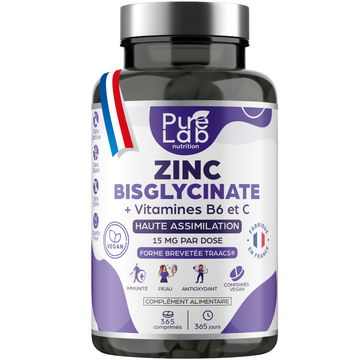
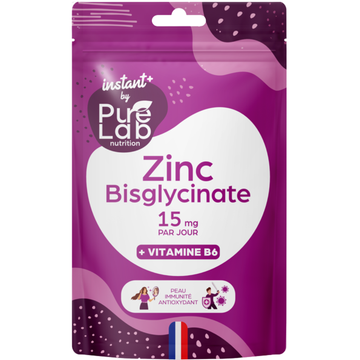
✅ Our Zinc Bisglycinate at Pure Lab Nutrition: 15 mg of zinc per tablet, in bisglycinate form, combined with vitamins B6 and C, for a one-year course.
👉 Discover our Zinc Bisglycinate here.
📏 Clear and measured dosages
A good dosage is not the highest one: it is one that is consistent with recommended intakes and safety limits. We display the quantities on our sheets, for example 15 mg of zinc per tablet, 300 mg of magnesium per day, 300 mg of ashwagandha extract per day (standardized to 5% withanolides), or 1000 mg of vitamin C per day for our liposomal version, with the possibility of adapting the intake.
🧬 Why measurement matters
European health authorities set reference intakes and maximum safety limits for many nutrients. A legible dosage allows you to verify that you remain within these guidelines, especially when combining several products. This is a point we insist upon: read the dosage, do not add up the same nutrients, and seek advice if you are undergoing treatment, are pregnant, or suffer from a medical condition.
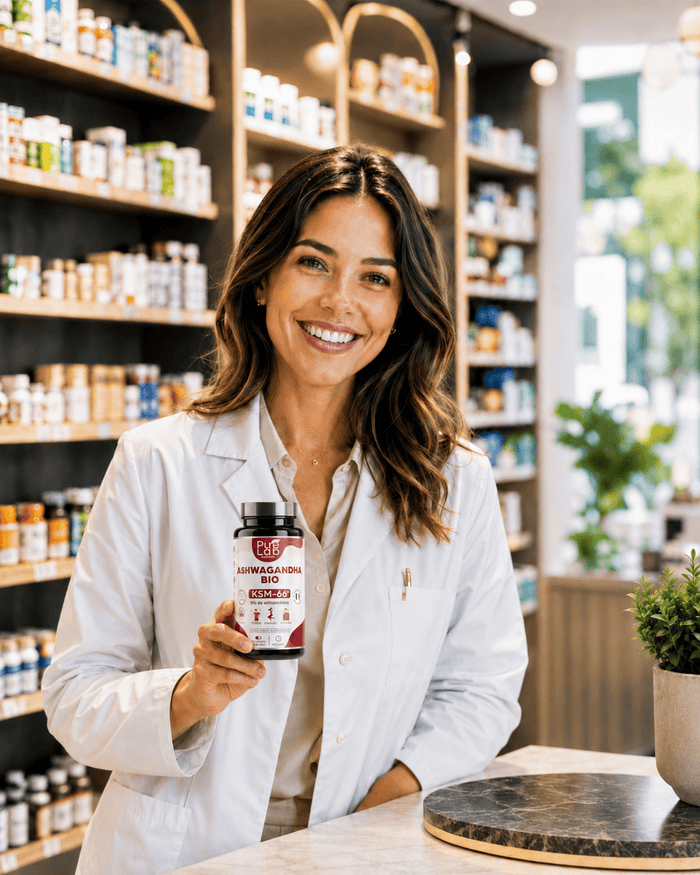
✅ Our ORGANIC Ashwagandha at Pure Lab Nutrition: KSM-66® root extract standardized to 5% withanolides, 300 mg per day in a single capsule, Organic Agriculture mention indicated on the product sheet.
👉 Discover our ORGANIC Ashwagandha here.
🔎 Transparency: sheets you can verify
Trust is built through verification, not slogans. That is why we encourage every reader to compare what we write with what is on the product sheet and on the packaging: composition, form of the nutrient, dosage per intake, number of doses per bottle, precaution mentions, and target audience. Our sheets also specify that the brand controls all stages of R&D, manufacturing, and distribution for several products.
🧬 What we do not claim
For the sake of honesty, it is useful to specify what this article does not say: we do not claim any label, certification, or result here that you cannot find on the relevant product sheet. The specific mentions (for example, the Organic Agriculture mention of certain products) are to be consulted product by product. If any information does not seem clear, we invite you to contact us via the shop to obtain clarification.
⚖️ A discourse framed by regulations
In Europe, dietary supplements are subject to Directive 2002/46/EC, and health claims to Regulation (EC) No 1924/2006 as well as the list in Regulation (EU) No 432/2012. In practice, this means we can say, for example, that vitamin C contributes to the normal functioning of the immune system or that magnesium contributes to reducing fatigue, but we cannot promise that a product treats, cures, or prevents any disease.
🧬 Why this matters for you
A regulated discourse is a sign of seriousness: if a brand claims spectacular effects, it is often because they are stepping outside the lines. We prefer sober language that explains what a nutrient does, what research suggests, and what the limits are. This is also why our blog cites its sources and reminds you that a supplement is not a substitute for a varied diet or medical advice. To learn how to decode these mentions, consult How to read a dietary supplement label.
✅ Our Liposomal Vitamin C at Pure Lab Nutrition: a patented PureWay-C® vitamin C, clear dosage of 1000 mg per day in 3 capsules, bottle of 90 vegan capsules.
👉 Discover our Liposomal Vitamin C here.
🧭 How to judge the quality of any brand
Our philosophy only makes sense if you can apply it to any brand. Here is a short evaluation checklist:
- Is the composition legible, with every active ingredient and its quantity?
- Is the form of the nutrient specified (bisglycinate, methylcobalamin, etc.)?
- Do the claims correspond to the authorized list?
- Are the usage precautions clear (pregnancy, treatments, maximum dose)?
- Are the sources verifiable?
🧬 Our commitment
Our commitment can be summed up in a few words: legible formulas, displayed dosages, verifiable information, and honest language. These are simple but demanding principles. They also guide the way we write our articles: if you see an assertion you cannot verify, question it, and do not hesitate to point it out to us.
✅ In summary
1️⃣ We prioritize legible formulas, without the superfluous, rather than an accumulation of ingredients.
2️⃣ Nutrient forms (bisglycinate, methylcobalamin, liposomal) are indicated and chosen for their assimilation and tolerance.
3️⃣ Dosages are displayed, consistent with recommended intakes, and should be verified on each product sheet.
4️⃣ Our discourse complies with European regulations: only authorized claims, never medical promises.
Pure Lab Nutrition — The art of nourishing your well-being.
Scientific sources:
- Directive 2002/46/EC of the European Parliament and of the Council of 10 June 2002 on the approximation of the laws of the Member States relating to food supplements.
- Regulation (EC) No 1924/2006 of the European Parliament and of the Council of 20 December 2006 on nutrition and health claims made on foods.
- Commission Regulation (EU) No 432/2012 of 16 May 2012 establishing a list of permitted health claims made on foods.
- EFSA Panel on Dietetic Products, Nutrition and Allergies (NDA). Scientific Opinion on Dietary Reference Values for zinc. EFSA Journal 2014;12(10):3844.
- Gandia P, Bour D, Maurette JM, et al. A bioavailability study comparing two oral formulations containing zinc (Zn bis-glycinate vs. Zn gluconate). International Journal for Vitamin and Nutrition Research 2007;77(4):243-248.


Restez informé 🌿
Recevez nos derniers articles et conseils santé directement dans votre boîte mail.