





















Immunity: the nutrients that really matter
As soon as the first cold weather arrives, "immunity" aisles are filled with promises. But which nutrients really contribute to the proper functioning of our defenses? And what can we reasonably expect from a supplement?
At Pure Lab Nutrition, we stick to the facts. Here are the nutrients recognized by European regulations, why immune micronutrient deficiencies are more common today than we think, and how targeted supplements fit into a rational approach.
📑 Summary
- Recognized nutrients
- Vitamin C: what studies really show
- Vitamin D: often insufficient
- Zinc and selenium
- Why deficiencies have become structural
- What support based on your profile?
- Habits that count
- Common mistakes
- Frequently asked questions
- In summary
Recognized nutrients
Regulation (EU) No 432/2012 recognizes that several nutrients contribute to the normal functioning of the immune system:
| Nutrient | Where to find it |
|---|---|
| Vitamin C | Citrus fruits, kiwi, bell peppers, cabbage |
| Vitamin D | Fatty fish, egg yolk, sunlight |
| Zinc | Seafood, meat, seeds |
| Selenium | Brazil nuts, fish, eggs |
| Vitamins B6, B12, B9 | Legumes, green vegetables, animal products |
| Vitamin A, iron, copper | Varied diet |
Keep the wording in mind: these nutrients contribute to the normal functioning of the immune system. They do not "boost" immunity beyond normal levels and do not provide guaranteed protection against infections. Their primary value is to prevent insufficient intake from weakening your balance.
Vitamin C: what studies really show
A Cochrane review published in 2013 (Hemilä and Chalker) analyzed dozens of trials on vitamin C and the common cold:
- in the general population, regular intake did not reduce the number of colds
- however, it was associated with a slightly shorter cold duration: -8% in adults, -14% in children
- in people subject to intense physical exertion (marathon runners, skiers, soldiers in extreme conditions), the risk was approximately halved
- taken only at the onset of symptoms, it did not show a consistent effect
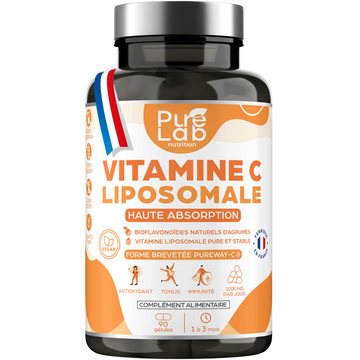
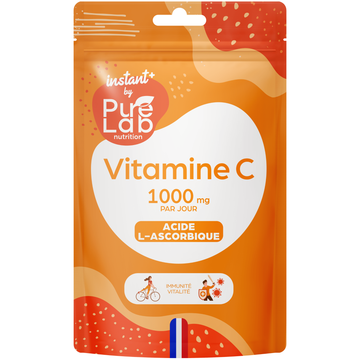
Conclusion: vitamin C is useful as a regular intake, not as a last-resort solution. European regulations recognize that vitamin C contributes to maintaining the normal functioning of the immune system during and after intense physical exercise, for an intake of 200 mg per day in addition to dietary intake. It also contributes to reducing fatigue and protecting cells against oxidative stress. Read Standard vs. Liposomal Vitamin C: Which one to choose?
👉 Discover our Vitamin C Instant+ (1,000 mg per day, 15-day course) here.
Vitamin D: often insufficient
According to ANSES, adults consume an average of 3.1 µg of vitamin D per day through their diet, while the nutritional reference is 15 µg per day. Sunlight normally takes over, but this synthesis decreases significantly in autumn and winter at French latitudes. Vitamin D contributes to the normal functioning of the immune system. Before supplementing, talk to your doctor, who can evaluate your status via a blood test. ANSES points out that excess vitamin D is not without risk: avoid combining several products that contain it. Read Winter fatigue: which supplements to prioritize?
Zinc and selenium
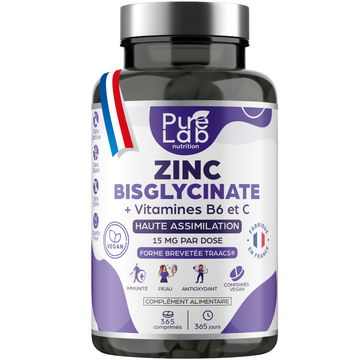
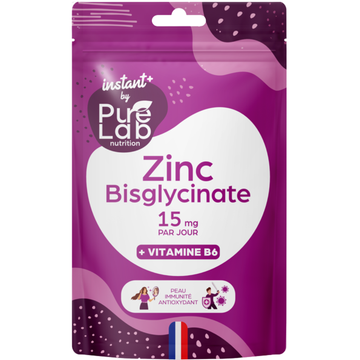
Zinc contributes to the normal functioning of the immune system and to the protection of cells against oxidative stress, as does selenium. Vegetarians and seniors may have tighter zinc intake. Read Zinc: roles, needs, and signs of deficiency.
As for selenium, a few Brazil nuts, fish, or eggs help meet requirements. There is no need to multiply sources via supplements: check what your multivitamin already contains before adding anything.
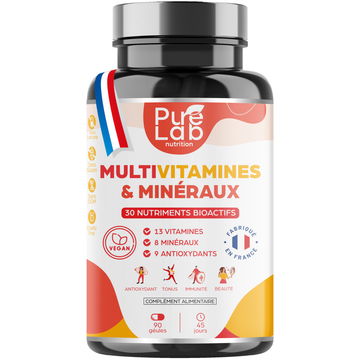
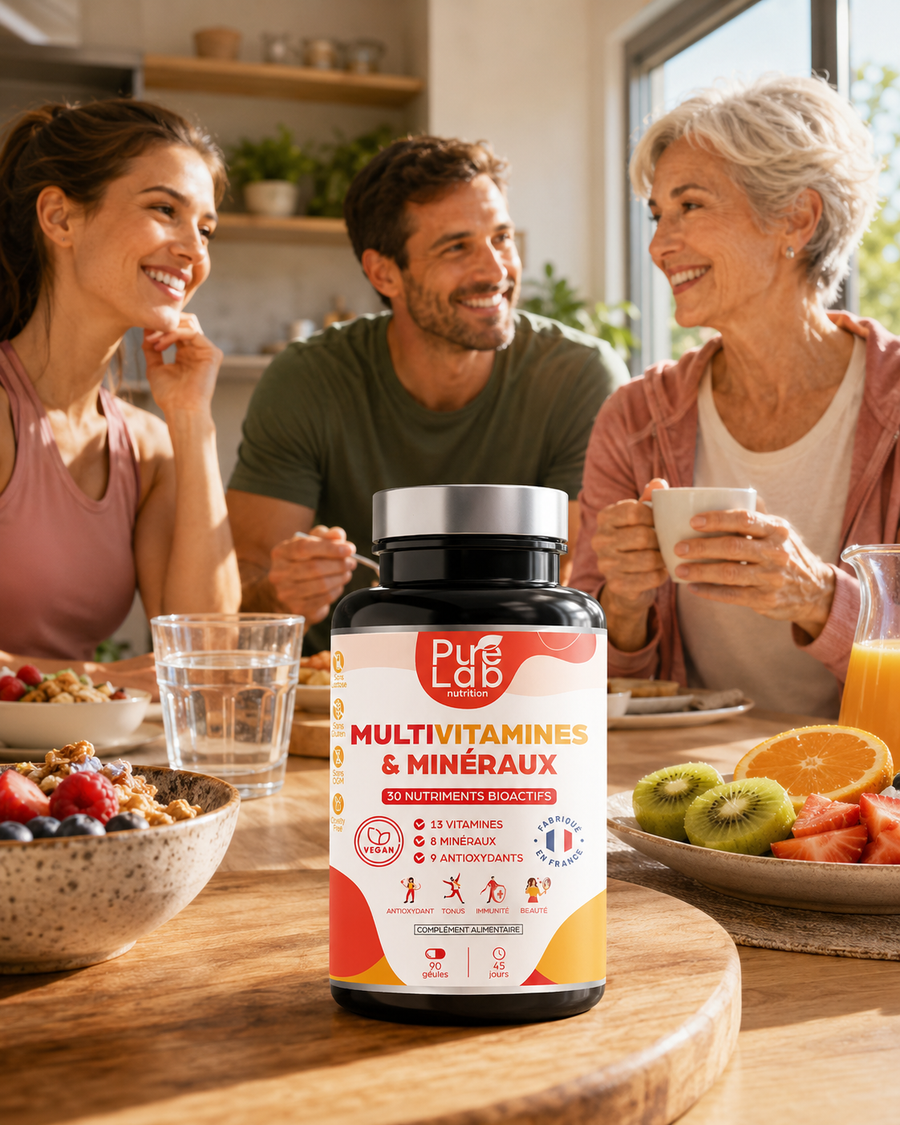
👉 Discover our Zinc Instant+ and our Multivitamins & Minerals here.
Why deficiencies in immune micronutrients have become structural
We often imagine that vitamin and mineral deficiencies only affect disadvantaged populations or those who "eat poorly." The reality is more nuanced: several mechanisms independent of individual willpower deplete immune micronutrient intake in modern life.
🌱 Less rich soils, less concentrated food
The mineral content of plants depends directly on the richness of the soils in which they grow. However, intensive agricultural practices, monoculture, and accelerated harvest cycles have gradually depleted cultivated soils. Studies published in the British Food Journal compared the mineral composition of 20 fruits and vegetables between 1930 and 1980: copper, iron, and magnesium levels had decreased by 20% to 60%. For zinc—essential for immunity—actual dietary intake is often lower than reference values, even with a diet considered balanced. Eating "varied and balanced" remains essential, but no longer automatically guarantees the micronutrient intake it was credited with fifty years ago.
🏭 Ultra-processing reduces available micronutrients
In France, ultra-processed foods account for about 30% to 36% of daily caloric intake (NutriNet-Santé study). These products are often low in vitamins C, B6, B9, zinc, and selenium, which industrial processes (high temperatures, refining, extrusion) partially degrade or eliminate. Conversely, they provide calories and additives that do not compensate for these losses. The result: a diet where energy needs are met, but where the micronutritional profile shows real gaps—especially regarding nutrients that support the immune system.
⚡ Chronic stress consumes immune reserves
Chronic stress—professional, environmental, psychological—triggers prolonged activation of the hypothalamic-pituitary-adrenal axis and continuous cortisol production. However, cortisol has a known immunosuppressive effect: it reduces lymphocyte proliferation and NK cell activity. At the same time, chronic stress increases cellular consumption of vitamin C (found in high quantities in the adrenal glands), magnesium, and zinc. These micronutrients are mobilized to buffer the stress response, at the expense of reserves available for the immune system. In the context of modern life where chronic stress is nearly permanent for a large portion of the population, targeted supplementation with vitamins C, D, and zinc is not a luxury: it is a rational response to a documented phenomenon.
What support based on your profile?
| Profile | Point of attention |
|---|---|
| Athlete training intensely | Vitamin C as regular intake |
| Person with little sun exposure | Vitamin D, to be discussed with your doctor |
| Vegetarian or vegan | Zinc, vitamin B12 |
| Significant ultra-processed diet | A multivitamin can help fill gaps |
| High chronic stress | Vitamin C + Zinc + Magnesium as a priority |
Our Multivitamins & Minerals should be taken at a rate of 2 capsules per day. It contains vitamin D3 and contains no iron or copper: for these two minerals, rely on your diet, and only take iron after a blood test.
Habits that count
✅ Sleep enough: read The essential role of sleep in immunity
✅ Eat varied fruits and vegetables every day
✅ Move regularly
✅ Wash your hands often during winter periods
✅ Air out your home every day
✅ Follow the vaccination schedule recommended by your doctor
Common mistakes
✅ Waiting for the first symptoms to take vitamin C: studies mainly show benefits from regular intake
✅ Combining "immunity" products that all contain zinc, vitamin C, and vitamin D
✅ Neglecting sleep while relying on supplements
✅ Believing that a supplement replaces a vaccine or treatment
✅ Ignoring recurring infections, which deserve medical advice
To avoid duplicates, read Can you take several supplements at the same time?
Frequently asked questions
❓ When to start a course?
Preferably before or at the beginning of autumn and winter, as a regular intake, rather than when you already have a cold.
❓ Does vitamin C keep you awake?
This is a frequent question. As a simple precaution, if you are sensitive, take it in the morning or at lunch.
❓ Can children take these supplements?
Adult supplements are not suitable for children. Always ask for advice from a doctor or pharmacist.
❓ Is a blood test necessary?
It is not systematic, but it is useful for vitamin D or iron, especially if you are often tired or sick.
❓ I eat a balanced diet, do I really need supplements?
Not necessarily generalized supplementation, but data show that actual intake of vitamin D and zinc is structurally insufficient in the French population—regardless of the quality of the diet. Soil depletion, ultra-processing, and chronic stress create deficits that even a careful diet does not always fill. A check-up with your doctor helps target real needs.
In summary
1️⃣ Vitamins C, D, B6, B12, zinc, and selenium contribute to the normal functioning of the immune system according to Regulation (EU) No 432/2012
2️⃣ Vitamin C is considered for regular intake, not only during periods of infection
3️⃣ Vitamin D is structurally insufficient in France, particularly in autumn-winter
4️⃣ Zinc and vitamin C deficiencies are aggravated by soil depletion, ultra-processing, and chronic stress
5️⃣ Sleep, diet, and activity remain essential, and targeted supplements complete this foundation in a rational way
Pure Lab Nutrition ... The art of nourishing your well-being.
Sources:
- Hemilä H., Chalker E. (2013). Vitamin C for preventing and treating the common cold. Cochrane Database of Systematic Reviews, CD000980. cochrane.org
- ANSES. Vitamin D: why and how to ensure sufficient intake? anses.fr
- Regulation (EU) No 432/2012 on authorized health claims. EUR-Lex
- Davis D.R. et al. (2004). Changes in USDA Food Composition Data for 43 Garden Crops, 1950 to 1999. Journal of the American College of Nutrition, 23(6):669–682.


Restez informé 🌿
Recevez nos derniers articles et conseils santé directement dans votre boîte mail.