



















Pregnancy and supplements: what is recommended (and what is not)
Pregnancy increases certain nutritional needs, but it also requires special vigilance: everything the mother takes may affect the baby. Between what health authorities recommend, what depends on each individual situation, and what is best to avoid, here is a rigorous overview. This article is for informational purposes and never replaces the advice of your doctor, midwife, or pharmacist.
📑 Table of Contents
- Why medical advice is non-negotiable
- The two recommended pillars: folates and vitamin D
- Iron: a real need, to be assessed via blood test
- Zinc and vitamin B12: nutrients to monitor
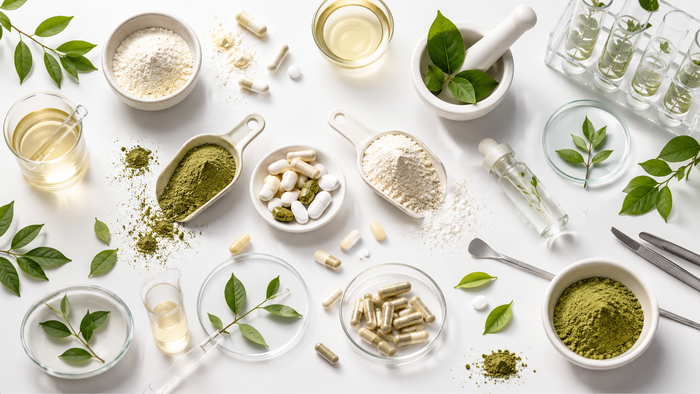
- Spirulina, herbs, and other products to avoid
- How to approach this with your healthcare professional
🔬 Why medical advice is non-negotiable
Pregnancy is a case-by-case experience. A vegetarian diet, severe nausea, a multiple pregnancy, or a history of anemia or diabetes all change nutritional needs. A review of micronutrient intake during pregnancy notes that requirements increase for several nutrients, but that excess can also be problematic, particularly for certain fat-soluble vitamins.
🧬 The precautionary principle
In the absence of solid safety data for pregnant women, we abstain. This is the guiding logic: there is no "one size fits all" complex. Always show your healthcare professional the exact list of what you are taking, including supplements and herbal teas.
🧬 Diet first
A varied diet (green vegetables, legumes, dairy products, well-cooked eggs, low-contaminant cooked fish) remains the foundation. Supplements fill targeted gaps; they are not a substitute.
🔬 The two recommended pillars: folates and vitamin D
In practice, these are the two nutrients for which health authorities issue specific supplementation recommendations.
🧬 Folic acid (vitamin B9)
Folate contributes to maternal tissue growth during pregnancy (Regulation (EU) No. 432/2012). International recommendations, including those of the WHO, advise folic acid supplementation from the preconception period; the dose usually cited is 400 µg per day, adjusted by a doctor according to risk situations. EFSA provides reference values for folate. Here, a prescription or medical advice is appropriate.
🧬 Vitamin D
In France, vitamin D is routinely prescribed during pregnancy, often as a single dose in the 6th or 7th month. Vitamin D contributes to the normal absorption and utilization of calcium and phosphorus, and to the maintenance of normal bones. Do not dose it yourself: follow the prescription.
These two nutrients are not in our catalog at this time: ask your doctor or pharmacist for the appropriate formula.
🔬 Iron: a real need, to be assessed via blood test
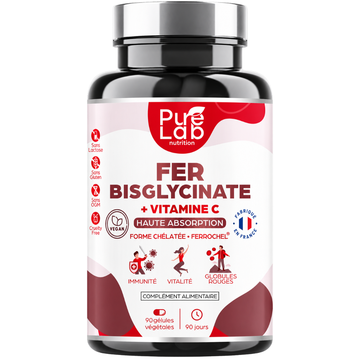
Blood volume increases significantly during pregnancy, and so do iron needs. Iron contributes to the normal formation of red blood cells and hemoglobin, the normal transport of oxygen in the body, normal cognitive function, and the reduction of fatigue.
🧬 Do not supplement blindly
British guidelines on iron deficiency in pregnancy recommend screening and management tailored to ferritin and hemoglobin levels, rather than routine intake for everyone. Iron excess is not trivial. The blood work prescribed at the beginning of pregnancy guides the decision, and the doctor chooses the form and dosage.
🧬 Supporting absorption through diet
Pair iron-rich foods (cooked red meat, legumes, green vegetables) with a source of vitamin C, and space them out from tea and coffee, which reduce absorption. If you are interested in this topic, read our article Spirulina and iron: a real alternative?, keeping in mind that it is not intended for pregnant women.
🔬 Zinc and vitamin B12: nutrients to monitor
Zinc contributes to normal DNA and protein synthesis, normal cell division, and the normal functioning of the immune system. Vitamin B12 contributes to normal cell division, normal energy metabolism, normal functioning of the nervous system, and normal red blood cell formation. All these statements are authorized by Regulation (EU) No. 432/2012.
🧬 Vitamin B12: especially if the diet is plant-based
A meta-analysis (Sukumar et al., 2016) observed that B12 insufficiency is common during pregnancy, particularly in populations with limited animal intake, and is associated with lower birth weight in some studies. Pregnant women who are vegetarian or vegan should talk to their healthcare professional: B12 is almost never found in plant foods. Also consult Vitamin B12 deficiency: symptoms, causes, and those affected.
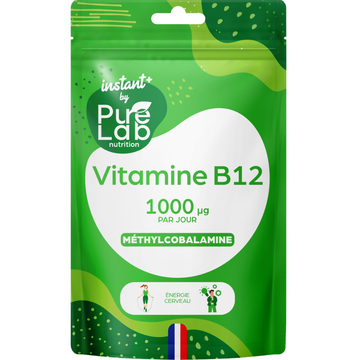
✅ Our Vitamin B12 (Instant+) at Pure Lab Nutrition: a convenient format for those wishing to supplement their intake, subject to medical advice if pregnant.
👉 Discover our Vitamin B12 (Instant+) here.
🧬 Zinc: a mineral for cell division
Zinc needs increase slightly. Oysters, meat, pumpkin seeds, and legumes provide it. There is an upper safety limit (25 mg per day for adults) and an excess can interfere with copper absorption: only take it with the approval of your healthcare professional. Our guide Zinc: roles, daily needs, and signs of deficiency details the references.
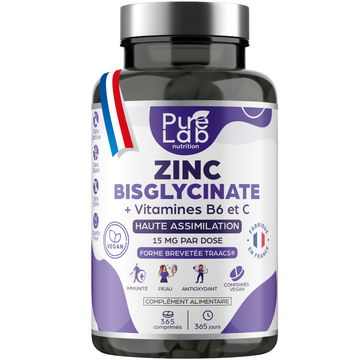
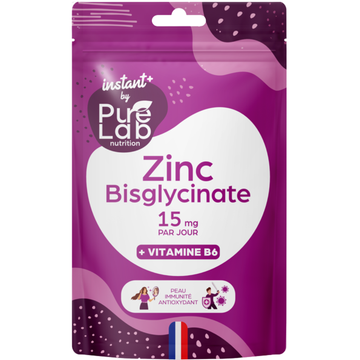
✅ Our Zinc Bisglycinate at Pure Lab Nutrition: a well-tolerated form, to be discussed with your healthcare professional in case of pregnancy.
👉 Discover our Zinc Bisglycinate here.
🔬 Spirulina, herbs, and other products to avoid
This is the tricky part, yet the most important. For many supplements, there is not enough safety data for pregnant women.
🧬 Spirulina: caution
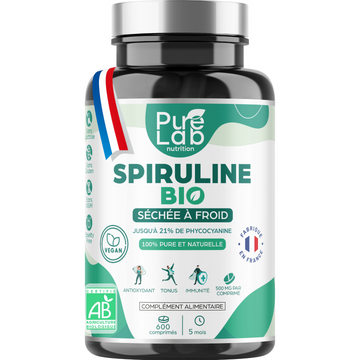
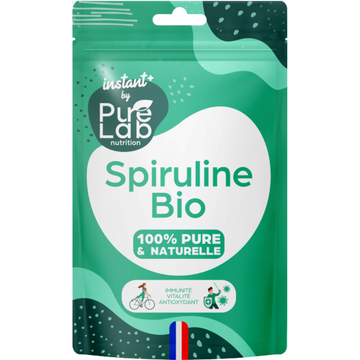
Spirulina is rich in protein, iron, and micronutrients, making it attractive. However, clinical studies on pregnant women are virtually non-existent, and low-quality spirulina can contain contaminants. As a precautionary principle, it is advised not to consume it during pregnancy without medical advice. Our article Everything you need to know before starting spirulina outlines the general contraindications.
🧬 What is best to avoid
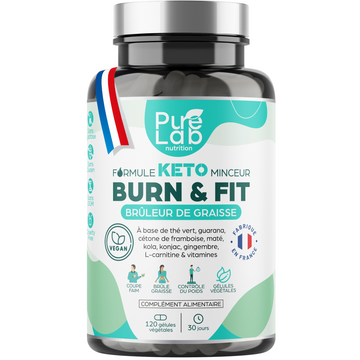
Vitamin A in the form of retinol at high doses is known to be teratogenic: avoid supplements containing it without medical advice, and avoid excessive liver intake. Ashwagandha is not recommended during pregnancy. Herbs with hormonal effects, fat burners, and products containing caffeine or stimulants should also be avoided. In doubt? Don't take it.
🔬 How to approach this with your healthcare professional
Prepare for your appointment: list your usual diet, your supplements, your medical history (anemia, diabetes, bariatric surgery), and your symptoms. Ask which blood tests are relevant and which nutrients to target.
🧬 Useful questions
"Do I need folic acid, and at what dose?" "Are my ferritin levels sufficient?" "Can I continue this supplement?" Note the answers and dosages to avoid any accidental stacking. To understand how to read a label, see How to read a food supplement label.
🧬 And after birth?
Breastfeeding has its own needs and precautions. Continue the dialogue with your midwife or doctor before resuming or introducing a supplement.
✅ In summary
1️⃣ Folic acid and vitamin D are the two supplementations recommended by authorities; the dose should be discussed with a professional.
2️⃣ Iron is supplemented based on blood work, not blindly; zinc and B12 should be discussed based on diet and blood tests.
3️⃣ Spirulina, ashwagandha, high-dose vitamin A, hormonal herbs, and fat burners: avoid without medical advice.
4️⃣ When in doubt, abstain and ask: medical advice is mandatory for any supplement during pregnancy.
Pure Lab Nutrition — The art of nourishing your well-being.
Scientific sources:
- World Health Organization. WHO recommendations on antenatal care for a positive pregnancy experience. Geneva: WHO, 2016.
- EFSA Panel on Dietetic Products, Nutrition and Allergies. Scientific Opinion on Dietary Reference Values for folate. EFSA Journal, 2014;12(11):3893.
- Mousa A, Naqash A, Lim S. Macronutrient and micronutrient intake during pregnancy: an overview of recent evidence. Nutrients, 2019;11(2):443.
- Pavord S, et al. UK guidelines on the management of iron deficiency in pregnancy. British Journal of Haematology, 2012;156(5):588-600.
- Sukumar N, et al. Prevalence of vitamin B-12 insufficiency during pregnancy and its effect on offspring birth weight: a systematic review and meta-analysis. American Journal of Clinical Nutrition, 2016;103(5):1232-1251.


Restez informé 🌿
Recevez nos derniers articles et conseils santé directement dans votre boîte mail.