






















How can effective sports recovery be promoted?
You train hard, but feel like you're plateauing, or suffering from muscle soreness for days? Recovery is often the weak link. Yet it is during rest that the body adapts to exercise.
At Pure Lab Nutrition, we have gathered the levers that really matter. The basics first, supplements second, with concrete examples based on your routine and the most common mistakes.
📑 Contents
- Why recovery is essential
- Sleep, the #1 lever
- Protein, carbohydrates, hydration
- Active recovery and weekly scheduling
- Cold baths: what the research says
- Useful supplements
- Deficiencies that sabotage recovery
- Two practical examples
- Mistakes to avoid
- Signs of insufficient recovery
- Frequently Asked Questions
- In summary
Why recovery is essential
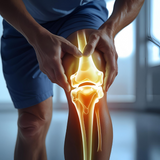
Every session creates fatigue and minor muscle damage. During recovery, the body replenishes its energy stores, repairs muscle fibers, and adapts to perform better next time. Without sufficient rest, fatigue accumulates and progress slows down.
In other words, training provides the signal, but recovery is what turns that signal into progress.
🔬 What happens in the muscle
According to the ISSN position stand on protein (Jäger et al., 2017), exercise, particularly resistance training, and protein intake both stimulate muscle protein synthesis, and their effects are additive when protein is consumed before or after the session. Good news for those who cannot eat right after training: the anabolic effect of exercise lasts for at least 24 hours, even if it gradually decreases. The famous "30-minute window" is therefore less narrow than claimed; what matters most is the daily total and its proper distribution.
Sleep, the #1 lever
No supplement can replace a good night's sleep. Aim for regular hours, a cool and dark bedroom, and avoid screens and very intense sessions right before bed. If you train in the evening, try to leave some time between the end of your session and bedtime to wind down.
If stress is disrupting your sleep, read Stress and sleep: which supplements, and how to combine them?
Protein, carbohydrates, hydration
🥩 Protein
According to the International Society of Sports Nutrition position stand (Jäger et al., 2017), most athletes benefit from consuming 1.4 to 2 g of protein per kg of body weight per day, spread over several servings of 20 to 40 g every 3 to 4 hours approximately.
For each serving, the same position stand also provides a relative benchmark: approximately 0.25 g of high-quality protein per kg of body weight, ideally rich in essential amino acids and leucine (700 to 3,000 mg per serving). Animal proteins (eggs, dairy, meat, fish) are naturally rich in these; with plant-based proteins, ensure you vary and combine sources.
In practice, for a 70 kg person, this represents approximately 100 to 140 g of protein per day, to be distributed over three meals and one or two snacks: eggs, yogurt or cottage cheese, meat, fish, legumes, tofu.
And in the evening? According to the ISSN, 30 to 40 g of casein (the main milk protein, found in cottage cheese) consumed before bed increases protein synthesis during the night. A bowl of cottage cheese late in the evening is a simple way to benefit from this. As for protein powders, they are convenient but not essential: the ISSN notes that it is possible to meet your needs with regular food.
🍚 Carbohydrates
They replenish glycogen, the muscle's energy reserve. For endurance sports, the ISSN emphasizes: the priority is to have enough carbohydrates, with the addition of protein potentially helping to limit muscle damage and improve recovery. After a long or intense session, a meal combining carbohydrates and protein is ideal: rice and chicken, pasta and tuna, whole-wheat bread and eggs, or a bowl of oatmeal with cottage cheese.
💧 Hydration
Drink regularly during and after exercise, especially if it is hot. Urine color is a good indicator: it should remain clear.
Active recovery and weekly scheduling
Recovery doesn't necessarily mean staying on the couch. Walking, a very light jog, easy cycling, or gentle stretching can be part of "off" days. The important thing is to alternate difficult sessions with easy ones, and to schedule at least one full rest day per week.
| Day | Example of a balanced week |
|---|---|
| Monday | Intense session |
| Tuesday | Active recovery (walking, mobility) |
| Wednesday | Moderate session |
| Thursday | Rest |
| Friday / Saturday | Intense session followed by a light session |
| Sunday | Full rest |
Cold baths: what the research says
Ice baths and cold-water immersion have become very popular. In 2012, a Cochrane review (Bleakley et al.) compiled 17 small trials, totaling 366 participants, on immersion in water below 15°C after exercise. Result: compared to simple rest, it appears to reduce muscle soreness in the days that follow. However, the quality of the studies was low, protocols were highly variable (temperature, duration, frequency), and adverse effects were rarely monitored. The data were insufficient to conclude on other criteria, particularly performance recovery.
In practice, a cold bath can be a tool for comfort, provided you are in good health and remain cautious. It does not replace sleep, nutrition, or proper planning. In case of heart or circulatory problems, seek medical advice before trying it.
Useful supplements
| Supplement | Benefits |
|---|---|
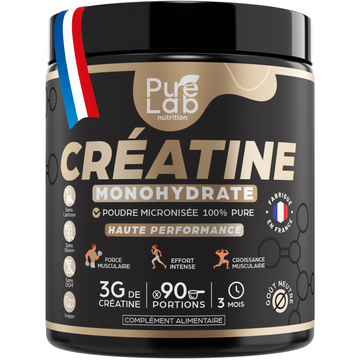
| Creatine | Increases physical performance during repeated short-duration, high-intensity exercises (at 3 g per day) |
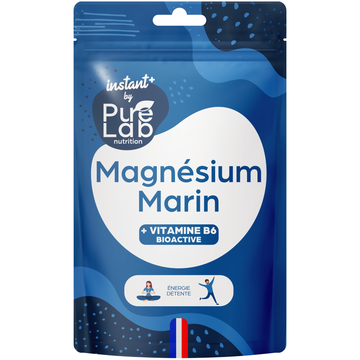
| Magnesium | Contributes to normal muscle function, electrolyte balance, and the reduction of fatigue |
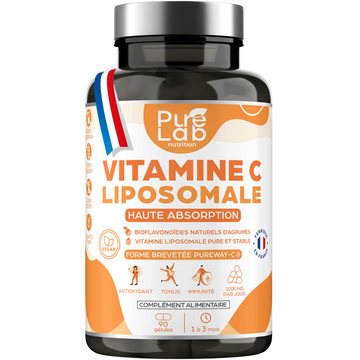
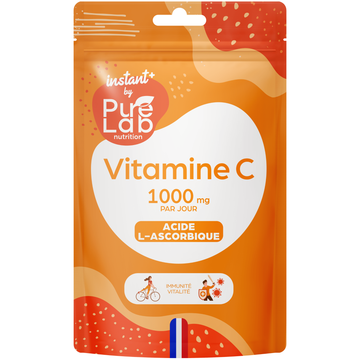
| Vitamin C | Contributes to the normal function of the immune system during and after intense physical exercise (200 mg per day in addition to dietary intake) |
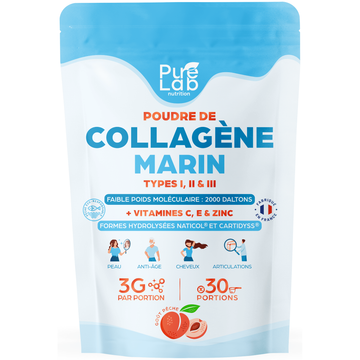
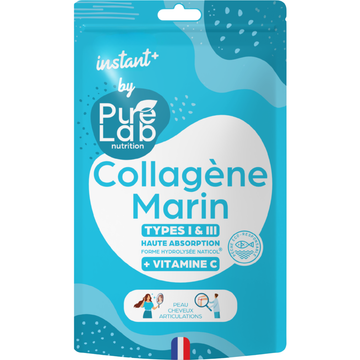
| Collagen + vitamin C | Vitamin C contributes to normal collagen formation for the normal function of cartilage |
🔬 Collagen and vitamin C: a studied avenue
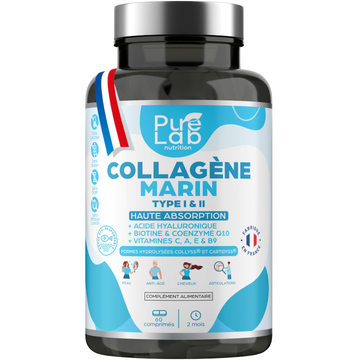
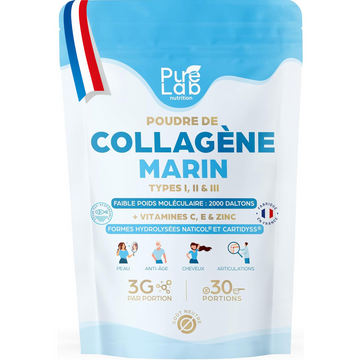
A small study published in 2017 in the American Journal of Clinical Nutrition (Shaw et al.) gave 8 young men gelatin (15 g) enriched with vitamin C, one hour before short rope-jumping sessions. A blood marker for collagen synthesis increased more than with the placebo. The limitations are clear: only 8 participants, and a marker that, according to the authors themselves, likely primarily reflects bone collagen synthesis. It is therefore an interesting avenue, not a proven fact. Also read Is marine collagen good for athletes?
🔬 Creatine, for recovery too?
Beyond performance, the ISSN review (Antonio et al., 2021) cites studies where creatine was associated with less muscle damage, inflammation, and soreness, for example after a 30 km run or during periods of intensified training. Combined with carbohydrates, it has also been linked to better muscle glycogen storage. These leads are interesting but remain to be confirmed, and are not part of authorized health claims: only the claim regarding performance during short, intense, and repeated efforts is recognized in Europe.
On creatine, read our guide Creatine: hair, kidneys, water retention, fact or fiction.
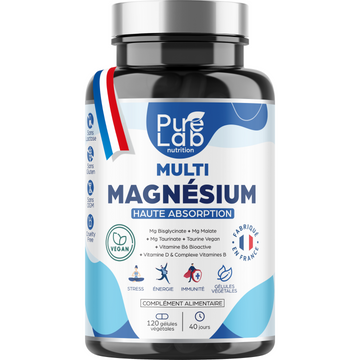
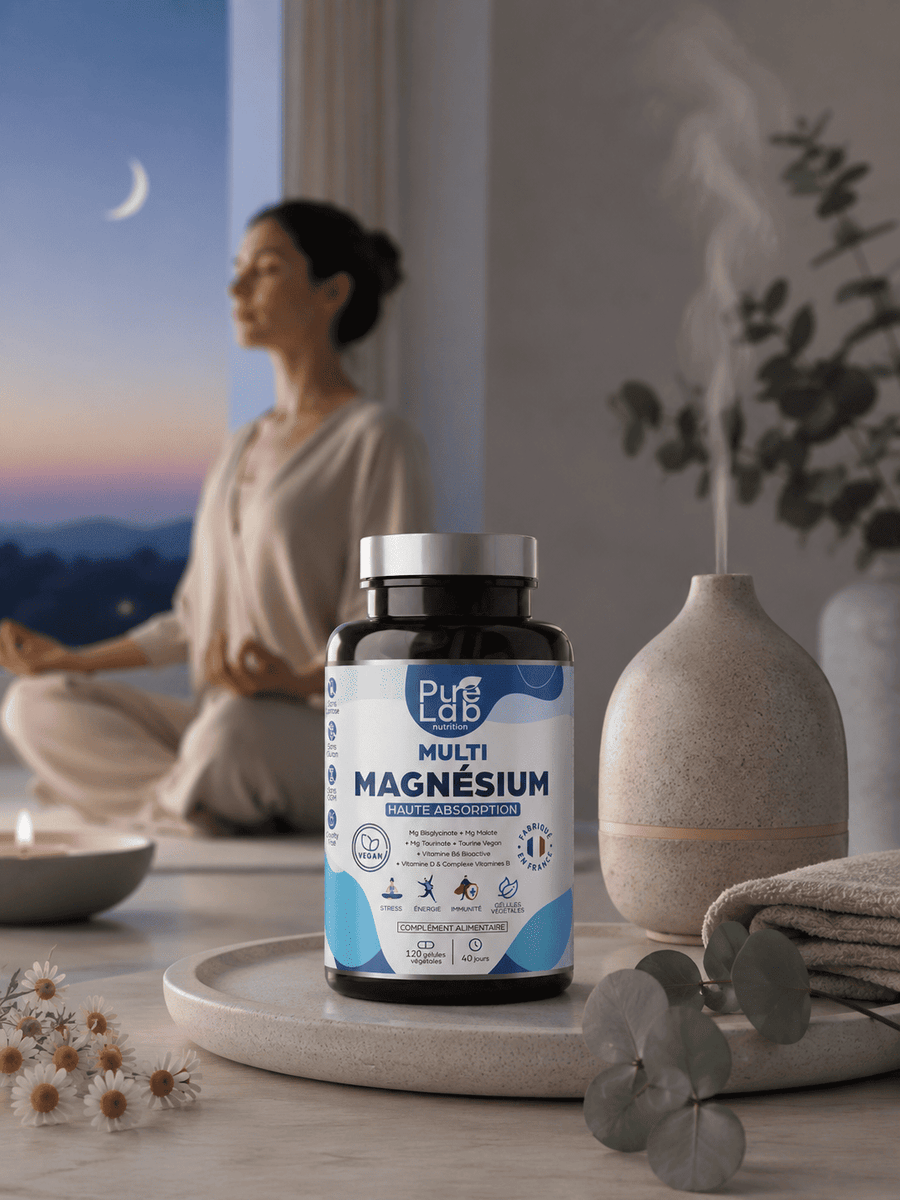
👉 Discover our Creatine Monohydrate, our Multi Magnesium and our Vitamin C Instant+ here.
Deficiencies that sabotage recovery without you knowing
Recovery can be compromised not by a poor program, but by silent nutritional deficiencies. Two are particularly common among regular athletes:
- Magnesium: physical exertion increases urinary magnesium loss. Yet, dietary intake is often insufficient in people who do not regularly consume oilseeds, legumes, or whole grains. A lack of magnesium manifests as persistent fatigue, nighttime cramps, irritability, or difficulty recovering after exercise.
- Iron in female athletes: menstruation, combined with micro-losses due to repeated impact (running), can lower ferritin levels without triggering overt anemia. Result: fatigue during exercise that resists all other optimizations. A ferritin test is a useful reflex in case of unexplained fatigue in female athletes.
Magnesium supplementation is not just one option among others for regular athletes: it is a targeted response to a structural deficiency, aggravated by the exercise itself.
Two practical examples
🏃 Sarah, runner, 4 runs per week
Sarah is training for a half-marathon. Her priorities: a long run followed by a proper carbohydrate + protein meal, two easy days per week, and 8 hours of sleep whenever possible. As for supplements, she relies on magnesium during her preparation.
🏋️ Karim, strength training and interval training
Karim does short, intense sessions. He ensures he meets his protein intake, distributed throughout the day, and takes creatine every day, including rest days, to maintain consistent levels.
Mistakes to avoid
❌ Training intensely every day without a rest day
❌ Skipping a meal after a session
❌ Relying on supplements to compensate for a lack of sleep
❌ Abruptly increasing training volume from one week to the next
❌ Ignoring persistent pain: see a professional
Signs of insufficient recovery
Your body often sends you messages before fatigue truly sets in. Be attentive if several of these signs appear at the same time:
✅ Decreasing performance despite regular training
✅ Soreness lasting for more than a few days
✅ Restless sleep or difficulty falling asleep after sessions
✅ Irritability, loss of motivation, feeling like skipping sessions
✅ Recurring minor issues: tendon pain, frequent colds
In such cases, the best response is almost always the same: take a week or two lighter, sleep more, and review your nutrition. If symptoms persist, talk to your doctor.
Frequently Asked Questions
❓ Is muscle soreness a sign of a good session?
Not necessarily. It appears mainly after unusual exertion. A session can be very effective without leaving any soreness.
❓ Should creatine be taken on rest days?
Yes, creatine should be taken consistently, every day, to maintain muscle stores. Read Creatine 3g or 5g?
❓ Do I need to eat within 30 minutes after the session?
It is not an obligation. The training effect on the muscle lasts at least 24 hours: the important thing is to meet your protein intake for the day, spread over several servings. Planning a proper meal without too much delay after an intense session remains a good habit, however.
❓ How many rest days per week?
This depends on your level and intensity, but at least one full rest day per week is a good starting point, in addition to lighter sessions.
In summary
1️⃣ Sleep is the primary recovery lever
2️⃣ Protein: 1.4 to 2 g/kg/day, spread throughout the day
3️⃣ Carbohydrates, hydration, and active rest complete the recovery
4️⃣ Creatine, magnesium, and vitamin C to support training
Pure Lab Nutrition ... The art of nourishing your well-being.
Sources:
- Jäger R. et al. (2017). International Society of Sports Nutrition Position Stand: protein and exercise. Journal of the International Society of Sports Nutrition, 14:20. PubMed
- Kreider R.B. et al. (2017). International Society of Sports Nutrition position stand: safety and efficacy of creatine supplementation in exercise, sport, and medicine. Journal of the International Society of Sports Nutrition, 14:18. JISSN
- Antonio J. et al. (2021). Common questions and misconceptions about creatine supplementation: what does the scientific evidence really show? Journal of the International Society of Sports Nutrition, 18:13. JISSN
- Bleakley C. et al. (2012). Cold-water immersion (cryotherapy) for preventing and treating muscle soreness after exercise. Cochrane Database of Systematic Reviews, (2):CD008262. PubMed
- Shaw G. et al. (2017). Vitamin C–enriched gelatin supplementation before intermittent activity augments collagen synthesis. American Journal of Clinical Nutrition, 105(1):136-143. PMC
- Regulation (EU) No 432/2012 establishing a list of permitted health claims. EUR-Lex


Restez informé 🌿
Recevez nos derniers articles et conseils santé directement dans votre boîte mail.