


















Do fruits still really contain vitamin C?🍊
A troubling question is circulating in nutritional circles: do our fruits still contain as much vitamin C as they once did? Recent studies suggest an alarming decline in the nutritional density of our foods over several decades 📉. This reality raises major questions about our ability to meet our nutritional needs through diet alone.
Nutritional evolution: a worrying observation 📊
The figures that challenge 🔍
Comparative analyses between current nutritional data and those from the 1950s-1960s reveal a disturbing trend. The micronutrient density of many fruits and vegetables has significantly decreased, particularly affecting water-soluble vitamins like vitamin C.
This degradation is not limited to vitamin C but also concerns other essential nutrients: B-group vitamins, minerals, and trace elements all appear to be affected by this evolution.
A global issue 🌍
This phenomenon is not confined to a specific region but affects all industrialized countries. Modern agricultural systems, despite their advantages in terms of productivity, seem to have a negative impact on the nutritional quality of the food produced.
The causes of this impoverishment 🔬
Intensive agriculture in question 🚜
Modern agriculture prioritizes yield and disease resistance over nutritional density. Varieties selected for their productivity are not necessarily those that concentrate the most nutrients.
Soil depletion, a consequence of decades of intensive exploitation, limits the ability of plants to draw the necessary nutrients for optimal vitamin synthesis. This situation creates a vicious circle where each generation of fruit becomes less nutritious than the last.
The challenges of the production cycle 📦
Transport and storage 🚛
Food globalization imposes significant logistical constraints. Fruits often travel thousands of kilometers before reaching our plates, during which time vitamin C, which is particularly unstable, gradually degrades.
Preservation techniques, while effective in maintaining appearance and flavor, do not always optimally protect vitamin content. Exposure to light, temperature variations, and oxygen contributes to this degradation.
The fragility of vitamin C 💧
This water-soluble vitamin is extremely sensitive to numerous environmental factors. Exposure to air, heat, light, or even certain metals can cause its rapid destruction.
This natural instability explains why losses can be considerable between harvest and consumption, even under optimal storage conditions.
Impact of our consumption habits 🏠
Preparation and domestic storage 👨🍳
Our preparation methods directly influence the final vitamin C content of our foods. The simple act of cutting, grating, or blending fruit exposes its cells to oxidation, triggering rapid enzymatic degradation.
Cooking, even light cooking, can drastically reduce vitamin C concentration. This thermal sensitivity explains why raw fruits generally retain a higher nutritional value than their processed equivalents.
Home storage 🏡
Even in our refrigerators, vitamin C continues to degrade. Storage duration, humidity conditions, and the presence of other ethylene-producing fruits accelerate this degradation process.
These "silent" losses accumulate and can represent a significant portion of the total degradation between purchase and consumption.
Solutions and optimization strategies 💡
Prioritizing freshness and proximity 🌱
Short supply chain and seasonality 📅
Consuming seasonal fruits, harvested at maturity, and sold locally is the best strategy to maximize vitamin C intake. This approach reduces the time between harvest and consumption, limiting nutritional losses.
Farmers' markets, AMAPs (Associations for the Maintenance of Peasant Agriculture), or self-picking offer interesting alternatives for accessing more nutritionally rich products.
Optimal preservation techniques ❄️
Proper preservation can significantly limit vitamin losses. Maintaining a low temperature, limiting light exposure, and consuming quickly after purchase are the basics of effective preservation.
Immediate freezing after harvest can sometimes preserve vitamin C better than several days of storage at room temperature.
Alternative agriculture: myth or reality? 🌿
Organic farming vs. expectations 🔍
Contrary to popular belief, organic farming does not systematically guarantee a higher vitamin C content. While it offers undeniable environmental benefits, the impact on nutritional density remains variable depending on the species and growing conditions.
However, organic methods can promote better soil health in the long term, a prerequisite for improving the nutritional quality of produce.
Heirloom varieties and genetic diversity 🧬
Returning to traditional varieties, often abandoned in favor of more productive hybrids, could be a promising avenue. These varieties, historically selected for their taste and nutritional qualities, sometimes have superior vitamin profiles.
The preservation of food biodiversity therefore represents both a nutritional and environmental challenge.
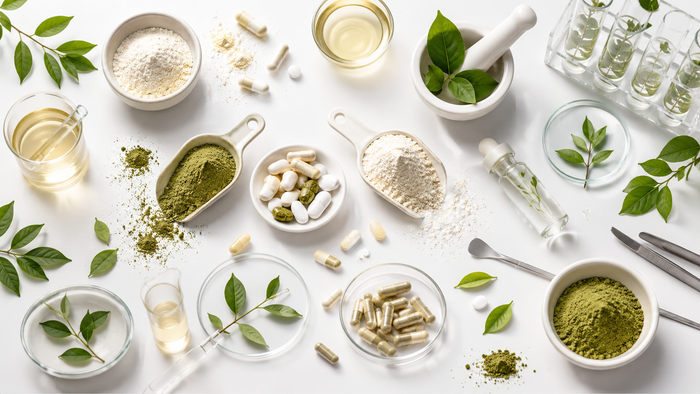
Supplementation: a modern necessity? 💊
Assessment of real needs 📋
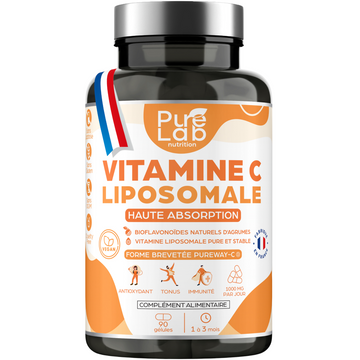
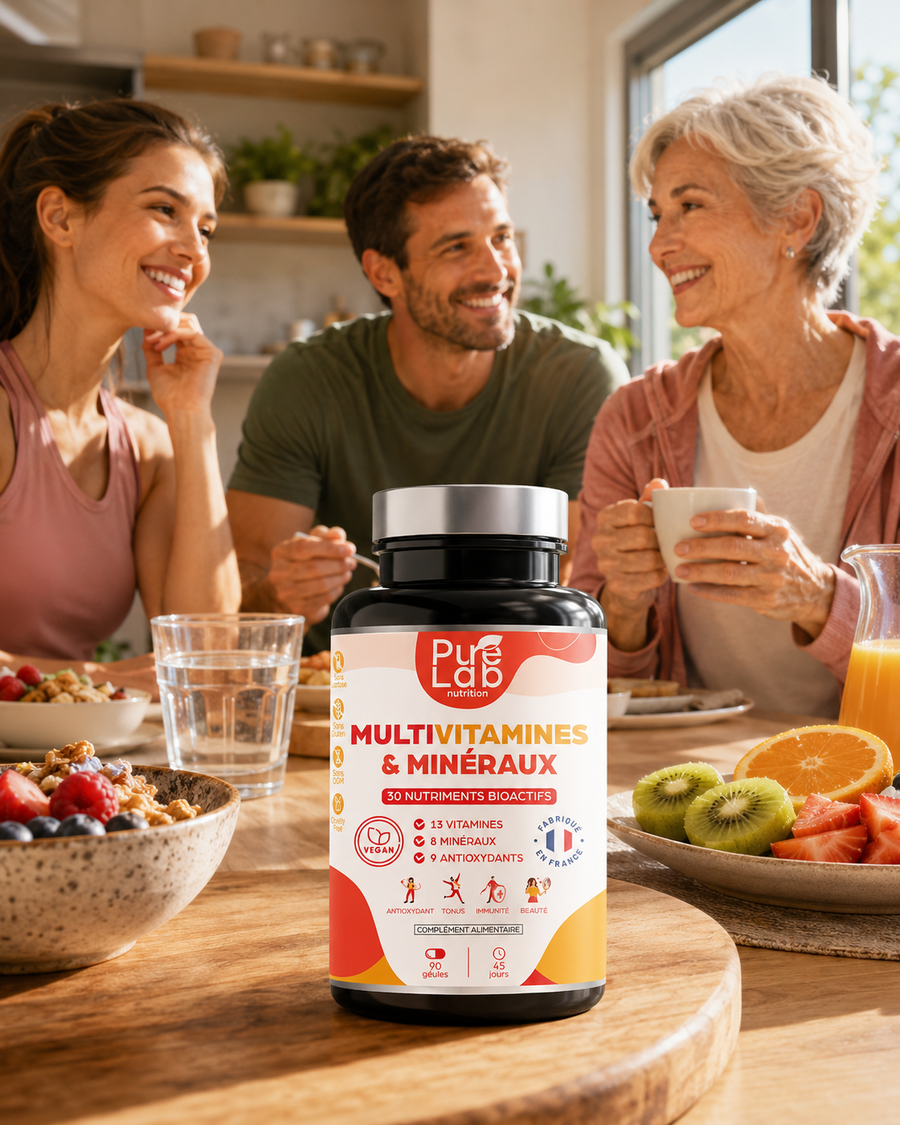
Given this degradation of nutritional quality, the question of supplementation becomes legitimate. A personalized assessment of actual intake, taking into account eating habits and lifestyle, can inform this decision.
Needs vary depending on age, physical activity, health status, and even the season, making an individualized approach essential.
Combined and balanced approach ⚖️
Supplementation should not replace a varied diet but complement it intelligently. Maintaining a high consumption of fresh fruits and vegetables while ensuring optimal intake through other means is the most reasoned approach.
This hybrid strategy allows for benefiting from the multiple beneficial compounds in natural foods while compensating for potential deficiencies in specific nutrients.
Future prospects 🔮
Agricultural and nutritional innovation 🚀
Current research explores new approaches: nutrition-oriented varietal selection, cultivation techniques optimizing nutritional density, and preservation methods that better protect vitamins.
Precision agriculture, guided by a fine analysis of plant nutritional needs, could revolutionize the nutritional quality of our food.
Awareness and education 📚
A better understanding of the factors influencing nutritional quality can guide our consumer choices towards practices that are more beneficial for our health.
This collective awareness could also influence the food supply towards products of better nutritional quality.
Conclusion: adapting our nutritional strategies 🎯
The degradation of the nutritional density of our fruits constitutes a major challenge for modern nutrition. Without falling into alarmism, it is appropriate to adapt our strategies to maintain optimal vitamin C intake 🌟.
This situation invites us to rethink our relationship with food: prioritize quality over quantity, value short supply chains, and consider reasoned supplementation when necessary. The goal remains to fully benefit from the advantages of this essential vitamin, whatever the evolution of our food environment 💚.


Restez informé 🌿
Recevez nos derniers articles et conseils santé directement dans votre boîte mail.


